
The Kupechesky F1 cucumber is a hybrid that inherits the best qualities of its predecessors. This high-yielding variety is suitable for growing in open beds and greenhouses.
What is a Kupechesky cucumber?
Characteristics and description of the variety:
- The cucumber belongs to the gherkin type.
- The variety produces a high yield.
- Early ripening period.
- Pollination type: bee-pollinated.
- This cucumber variety is common in Russia, Ukraine, and Moldova, and has received positive reviews from gardeners in these countries.
- It is resistant to common diseases.
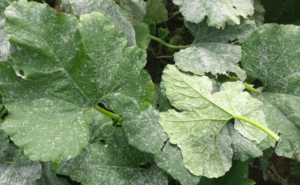
- Merchant is not afraid of olive spot, cucumber mosaic, powdery mildew.
- Easily tolerates adverse weather conditions.
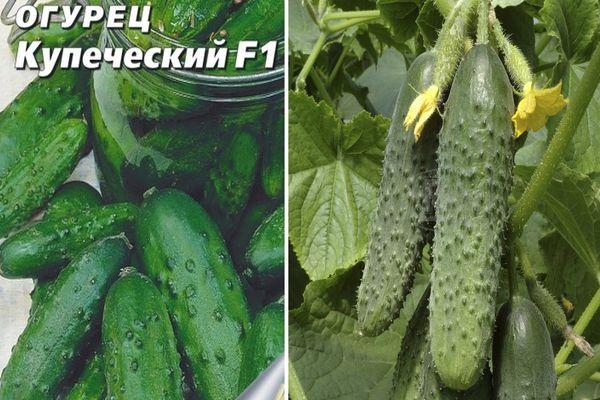
The bush is a medium-sized plant with few branches and foliage. It has a medium-sized, vine-like habit with clustered ovaries. Lateral shoots grow well. The leaves are large and bright green. The plant is indeterminate, meaning it grows without limit. The bush grows continuously, producing fruit.
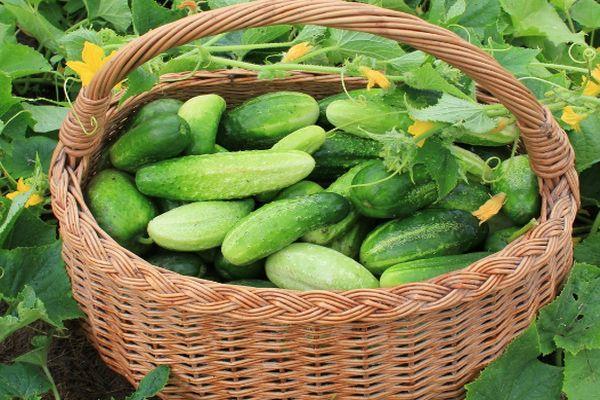
The fruits are small, neat, and perfectly cylindrical. The gherkins are large-tuberculate and have white spines. The average length is 7-11 cm, and the cross-section is 2-4 cm. Weight varies from 60 to 120 g. The color is dark green. Gardeners note the excellent classic taste of the gherkins. They are dense and crisp, without bitterness. The flesh is smooth and does not turn yellow.
Homemakers use cucumbers in salads and for eating fresh. This variety is ideal for winter preserves. Small cucumbers fit whole into a jar. They are also salted, pickled, and fermented. The fruits are used in vegetable platters and lecho.
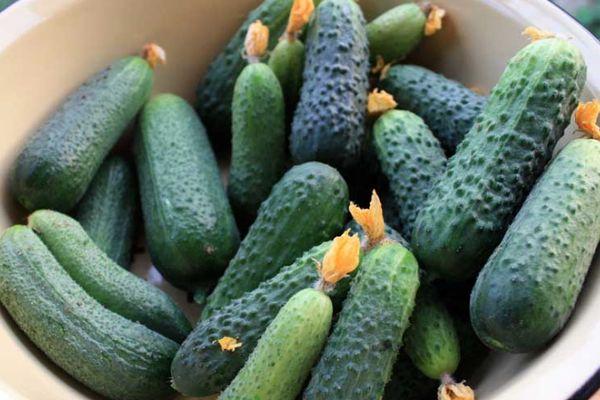
The first harvest of cucumbers ripens 45 days after the seedlings emerge. They bear fruit for a long period. Fresh cucumbers can be harvested every 3-5 days. Cucumbers can grow in abundance on the vines, so they should be removed promptly to avoid interfering with the development of new ones.
One square meter yields 9-13 kg of cucumbers. They store well, retain their flavor for a long time, and maintain their marketable appearance. They are also transportable. This variety is often grown commercially. Merchant F1 is one of the first to appear on market shelves due to its early ripening.

How are cucumbers grown?
Cucumbers are planted in two ways: direct sowing and through seedlings.
The easiest way is to sow seeds in garden beds. However, a number of conditions must be met. First, the soil must be fertilized in the fall, cleared of roots and debris, and well-dug. It's best to plant cucumbers in beds previously occupied by cabbage or cauliflower.
Secondly, the Kupechesky F1 variety is extremely cold-sensitive; seeds can be planted in soil warmed to 17ºC. The air temperature should be above 12ºC. Planting is typically done in May. The seeding depth is 3-4 cm. Seeds are spaced every 30 cm.
Third, after planting, the bed should be covered with spunbond, even if it's in a greenhouse. This will ensure faster germination and healthy seedlings.
Another way to grow this variety is through seedlings. Experienced gardeners believe the main advantage of this method is faster fruiting. The seeds are planted indoors in April in peat pots. The soil mixture is prepared from turf, sand, and humus. The containers are placed in a warm, sunny location. The seedlings require regular watering and fertilization with a nitrogen-rich fertilizer.
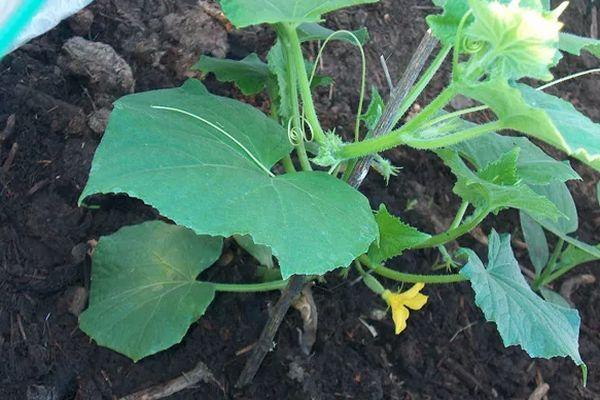
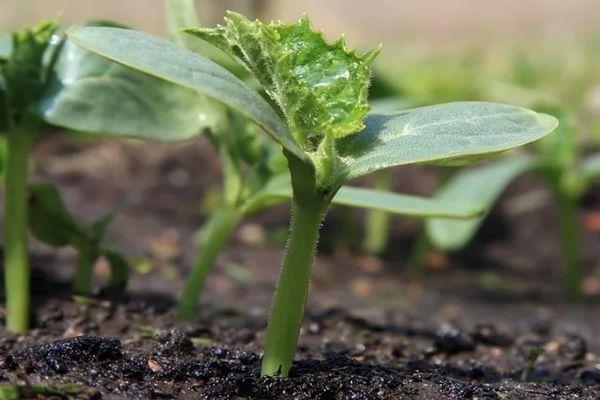
In 3-4 weeks, small plants with 3-5 leaves will grow from the seeds. The seedlings can be transplanted to their permanent location in the garden. Make sure the soil is warm and there is no frost expected.
When planting in the garden, seedlings are placed directly into the soil in peat pots. These pots will later serve as the first root fertilizer for the plants. The seedlings are spaced at a rate of 3 plants per square meter.
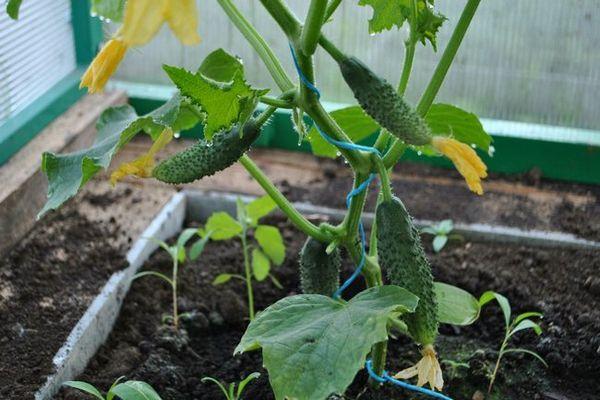
It's best to trellis the plant. This will allow the cucumbers to get more air and allow their growth to continue unimpeded. Water after sunset, using only warm water at a rate of 5 liters per square meter. Avoid directing the water stream directly onto the leaves; water should be applied only to the soil. Afterward, loosen the soil. Cucumbers dislike hard soil, which prevents oxygen from reaching the root system.
The harvest should be regularly collected, preventing overripe fruit from appearing. Weeds should be removed promptly.
Despite the variety's immunity to common diseases, gardeners should practice preventative measures. Folk remedies and solutions available in specialty stores are suitable for this purpose. Cucumber needs to be fed with organic and mineral fertilizers. This needs to be done approximately 5 times during the summer season.
Advantages of the variety:
- Productivity.
- Early maturity.
- Resistance to common cucumber diseases.
- Excellent classic cucumber flavor without the bitterness.
- The fruits are well suited for winter preparations and fresh consumption.
- The variety is ideal for commercial cultivation.
- Not afraid of adverse weather conditions.
A disadvantage is that this variety requires careful care. If the plant is kept in a greenhouse, it requires insects for pollination.
Related posts:
 The best grape varieties for growing in the Urals, planting and care rules in summer
 80 Best Eggplant Varieties for Different Regions with Descriptions and Characteristics
 Descriptions of the 20 best cherry varieties for the Moscow region, their planting and care
 Description and characteristics of the 60 best sea buckthorn varieties, how to choose depending on the region
 What varieties of tomatoes are best to plant in a polycarbonate greenhouse?
 50 Best Pumpkin Varieties with Descriptions and Characteristics for Outdoor Planting
 Description of the 30 best plum varieties for the Moscow region, planting and care
 Beginner's Guide to Growing Grapes in Open Ground in Central Russia