
Growing a good cucumber harvest is easy if you know the basic care requirements. However, problems sometimes arise. Gardeners often wonder why cucumbers are soft in the greenhouse. The main cause of cucumber disease is improper planting or poor care.
Growing rules
A greenhouse is the ideal option for growing fresh vegetables from spring to late fall. In southern regions, this method can be used year-round. However, beginning gardeners often encounter soft greenhouse fruits. To protect the harvest from rotting, it's essential to follow proper growing practices, even if they seem minor.

You need to start with soil preparation, which includes disinfection and fertilization. A mixture of humus and peat is used as fertilizer; superphosphates and saltpeter can be added separately.
Growing seedlings is preferable to sowing seeds directly into the soil. Growing from seedlings will not only allow you to harvest early but also allow you to evaluate the seedlings, selecting only strong, healthy plants for planting. If the variety is not self-pollinating, you should attract pollinating insects. Watering frequency should follow the manufacturer's recommendations. Don't forget to loosen the soil and fertilize.
Even partial violation of growing rules leads to changes in the shape of the fruit (curling), which can make them soft, bitter, or hollow inside. Let's figure out why cucumbers lose their firmness.
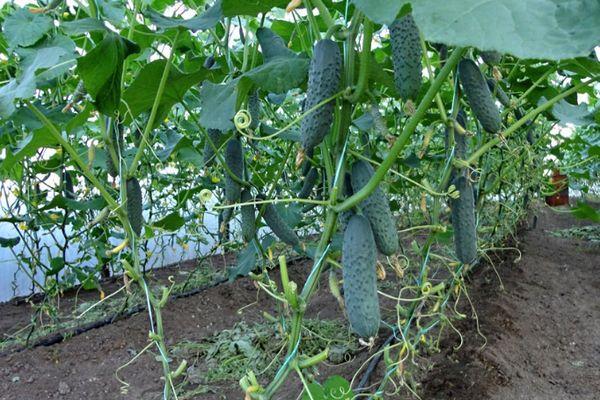
Experts identify a number of reasons for the softness of the vegetable:
- tight fit;
- improper watering or lack of moisture;
- lack of feeding;
- poor lighting;
- violation of temperature regime;
- planting cucumbers and tomatoes in one greenhouse;
- fungal disease.
Excessive heat can ruin cucumbers not only in the greenhouse but also in the garden. The vegetable doesn't tolerate scorching sun, so choosing the right planting location is important. Noticing wilting fruit, gardeners wonder what to do and whether it's possible to reverse the process and save the harvest.
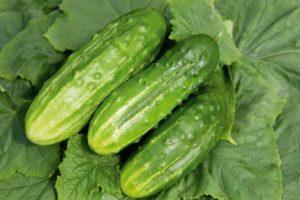
Common mistakes gardeners make
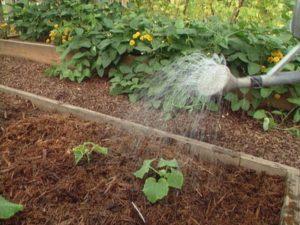
One of the most common mistakes in caring for cucumbers - watering with cold waterUsing cold water can lead to disease and growth problems. Remember that cucumbers are heat-loving plants. Watering should be done with warm water that has been left to stand in the sun, so it's best to do this in the evening. On average, cucumbers need to be watered 2-3 times a week.

A lack of moisture also causes cucumbers to wilt. It's important to monitor not only soil moisture but also air humidity. Drip irrigation and regular ventilation of the greenhouse will help maintain it at the proper level.
Some gardeners, hoping for a larger harvest, reduce the distance between cucumber plants. Crowded planting is the reason why cucumbers in a greenhouse are soft. Dense planting primarily interferes with the development of the plant's root system, which disrupts growth and the absorption of minerals from the soil. The fruits grow small and irregularly shaped. If cucumbers are too close to each other, rotting can begin. The first sign of rotting is soft fruit.
Dense plantings increase the rate of disease spread. Experts recommend a minimum distance of 15 cm between plants.
Cucumbers thrive in temperatures between 18 and 22°C. Significant deviations in either direction will not only result in soft cucumbers but also cause the entire plant to wilt. Increasing the temperature in the greenhouse is easy: simply install heating elements. Reducing it in the case of a hot summer is much more difficult. This can be done using a special greenhouse covering.
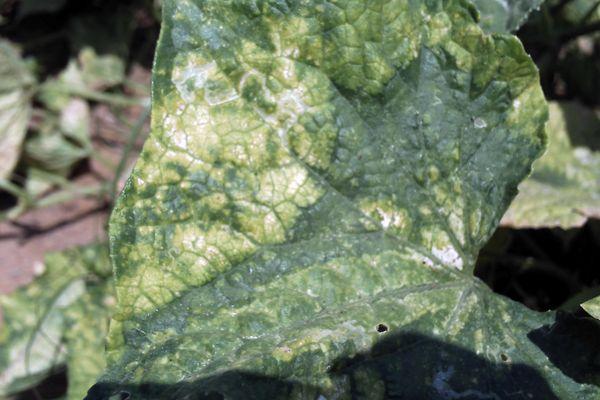
Regular fertilizing allows the vegetable to grow and develop. A lack of micronutrients can lead to various diseases, including soft cucumbers. If left unchecked, the plant grows too tall, creating additional shade for the leaves, preventing the lower fruits from receiving enough sunlight.
Avoid planting cucumbers and tomatoes in the same greenhouse; they require different microclimates. Tomatoes don't tolerate high humidity. Providing both plants with comfortable conditions won't work, and the cucumbers may start to spoil.
If you notice your cucumbers have become soft, you should eliminate all possible causes. Treat the harvest with an onion decoction—a small bag of onion peels per 5 liters of water. Pour water over the peels, bring to a boil over low heat, and let cool. Then strain and use warm for watering.
Fungal diseases
Fusarium wilt, or fusarium wilt, is a fungal infection affecting cucumbers. It is the most dangerous cause of soft cucumbers in greenhouses. The fungus can live in the soil if disinfection is not performed before planting. It can also be introduced by dirty tools or water. High humidity is an ideal environment for fungal diseases to thrive. Cucumbers require ample watering, but overwatering can lead to disease.
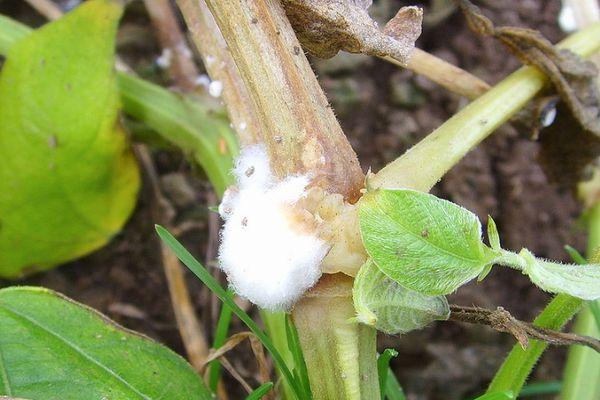
When affected by fusarium, the leaves are the first to react: they turn yellow and wilt. It's important to check the plant's condition daily—timely intervention will stop the spread of the fungus and save the harvest. Powdery mildew is also a fungal disease. It blocks photosynthesis, causing white spots to appear on the leaves. Healthy cucumbers—prickly and firm—become soft when affected by powdery mildew.
A preventative measure against fungal diseases is to rotate crop varieties. It's also recommended to replace the top layer of soil before planting the following season. If the disease does occur, treat the affected bushes with a solution of copper sulfate, ash, and chalk. For every liter of water, mix 1 teaspoon of copper sulfate, 3 tablespoons of ash, and the same amount of chalk. After treating the affected areas, sprinkle the entire crop with dry lime.
Related posts:
 Description of the best varieties of Chinese cucumbers, planting, growing and care
 Is it possible to plant cucumbers and peppers in the same greenhouse? What are the pros and cons of planting them together?
 The best eggplant varieties for growing in a polycarbonate greenhouse: planting and care
 How and with what to cover cucumbers from the cold in open ground, what to do for protection
 Why cucumbers bloom but don't set fruit, what to do, mistakes in care, and what to spray
 How to prepare pickled cucumbers in adjika for the winter without sterilization and Caucasian style: recipes
 Top 50 Best Cucumber Varieties for Polycarbonate Greenhouses with Descriptions
 How to plant cucumbers in open ground under film: timing and cultivation technology

Fungal diseases are often the cause. The greenhouse must be disinfected at least once a year. After that, you can use bioactivators; I buy "BioGrow".