
The Siberian Express F1 cucumber belongs to the group of early-ripening hybrids. This variety thrives outdoors, despite adverse weather conditions. It is also grown in greenhouses. Cucumbers are eaten fresh, sliced into salads, pickled, and salted for winter storage.
Technical parameters of the crop
The characteristics and description of the variety are as follows:
- The vegetable's growing season, from the first shoots to a full harvest, lasts 40-45 days. The hybrid does not require pollination.
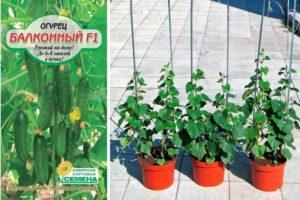
- The height of the bush varies from 0.5 to 1.5 m. The plant has a large number of branches covered with green leaves.
- Each node of the hybrid produces 1-2 cucumbers.
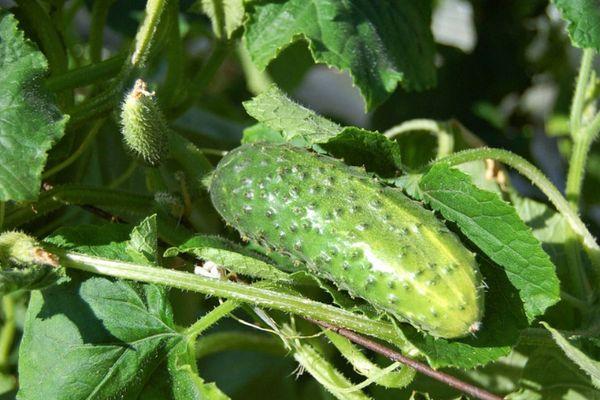
- The fruits are cylindrical, dark green in color. The entire surface of the vegetable is covered with large tubercles. The fruit weighs between 90 and 120 g. They reach 100-130 mm in length and up to 3.5 cm in diameter.
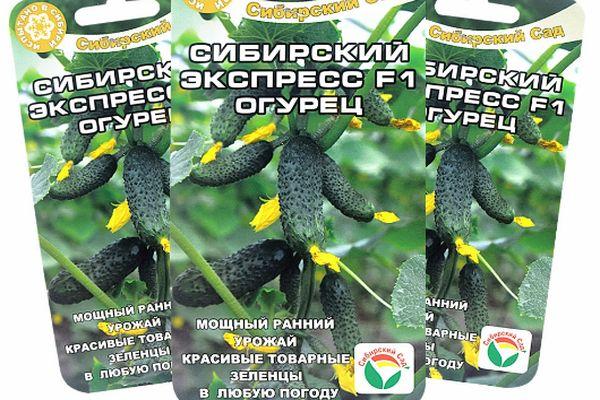
Feedback from farmers growing the Siberian Express variety indicates that the hybrid yields 9-10 kg of cucumbers per square meter of garden bed. Gardeners also note that the plant is immune to diseases such as fusarium wilt and powdery mildew.
Growing a hybrid and caring for it until harvest
To grow a hybrid vegetable, you need to prepare light, humus-rich soil. Experts recommend planting in areas previously occupied by corn, tomatoes, and peas. When planting seedlings or seeds, the soil temperature should be between 14 and 15°C. Any cucumber requires a high-quality fertilizer, specific to the variety, for normal growth. Fertilizing increases the number of fruit buds formed.

If a farmer decides to propagate Siberian Express from seedlings, they should know that by the time they're transplanted to their permanent location, the young plants should have 3-4 leaves. The hybrid doesn't require pre-disinfection or seed growth stimulation. Pre-heating before sowing is also unnecessary.
Take a look Also
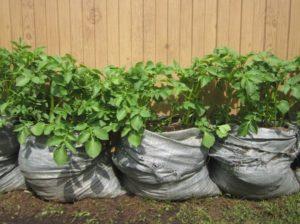
To obtain seedlings, sow the seeds in April. For this, use boxes filled with homemade or store-bought soil, consisting of a mixture of sawdust, peat, humus, nitrophoska, and wood ash. The seeds, pre-germinated on a damp cotton cloth, are planted in this soil.
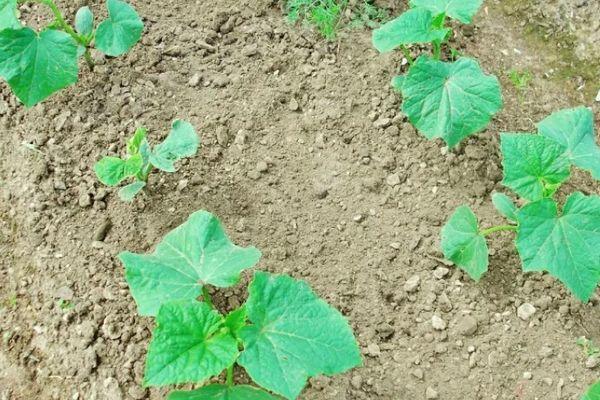
While the seedlings are growing, they are watered once every 5-6 days and fertilized with a solution made by mixing 3 teaspoons of nitrophoska with 3 liters of water. When transplanting to an open area, 4 seedlings are placed per square meter. If the farmer is planting the seeds directly into the soil in a garden bed, they are planted at a depth of 30-50 mm.
It is recommended to water young bushes with copious amounts of warm, sun-settled water. This should be done late in the evening. The Siberian Express requires additional misting with warm water using a watering can.
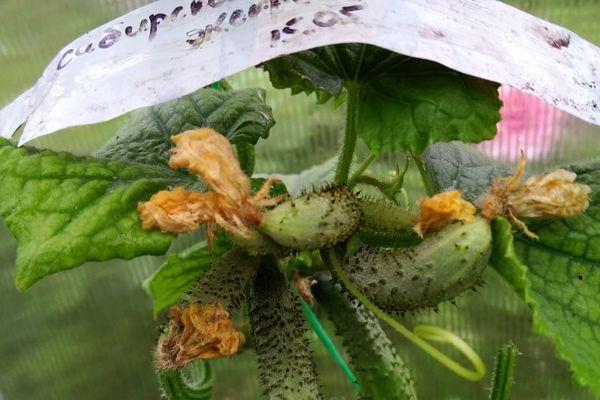
To ensure normal plant growth, it's recommended to pinch off side shoots above the fourth leaf. On hot days, protect the bushes from direct sunlight by covering them with a thin cloth. Feed the seedlings once every five days, alternating mullein with complex mineral fertilizers.
Loosen the soil under the bushes immediately after watering. This helps aerate the plants' root systems and rids them of parasites that infest the hybrid's roots.
Weeding your garden beds helps prevent fungal and bacterial diseases. Weeding also kills insects that live on weeds, which can damage your vegetables.
How to combat diseases and pests?
To combat diseases to which the Siberian Express is not immune, the hybrid is sprayed with medicinal preparations that kill fungi and viruses. If these preparations are unavailable, copper sulfate or a soap solution are recommended for plant protection.
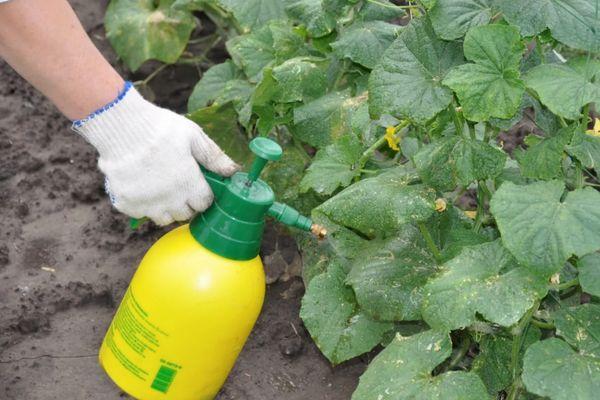 When growing Siberian Express, farmers must pay close attention to protecting the bushes from garden pests.
The hybrid's main enemy is the whitefly. It breeds not only in open fields but also penetrates greenhouses.
This butterfly-like insect lays several hundred eggs per season, which hatch into larvae that consume all greenery. Chemicals have virtually no effect on this garden pest. Its larvae can be found on the underside of the hybrid's leaves.
They chew holes in leaf blades, which leads to fungal and bacterial infestations. To combat larvae, it's recommended to spray the plant leaves with a soap solution. Green Soap can also be used. Cardboard traps are used to kill the insects. They are coated with castor oil and rosin and then hung in the greenhouse. The insects stick to the cardboard boxes. If aphids appear in the area, spray the bushes with an infusion of tobacco, garlic, or onion peels.
Related posts:
 Description of the Krasotka grape variety, planting and care technology
 Description of the Julian grape variety, planting and care instructions
 The best eggplant varieties for growing in a polycarbonate greenhouse: planting and care
 35 Best Powdery Mildew-Resistant Cucumber Varieties with Descriptions
 Description of the Elematis Pink Fantasy variety and pruning group, planting and care
 Description and rules for growing Solaris grapes
 The best grape varieties for growing in the Urals, planting and care rules in summer
 Description and pruning group of clematis Ernest Markham, planting and care of the hybrid