
The Hit of the Season F1 cucumber brand is known to many gardeners and those who like to grow vegetables at home on their windowsills.
What is Hit?
Main characteristics and description of the hybrid variety:
- Yield indicators are always high due to the early ripening period (38-42 days), unpretentiousness to environmental conditions and the length of the fruiting period (until autumn frosts).
- Cucumbers are cylindrical, slightly ribbed, and bright green in color. Length: 9-12 cm; weight: 90-110 g.
- The arrangement of the ovaries is cluster-like: there are from 2 to 6 ovaries in one node.
- Taste: the flesh is non-bitter, white and crisp; excellent for salads and pickling.
- Resistance to diseases and pests is at a good level: cucumbers are not susceptible to powdery mildew, root rot and olive spot.
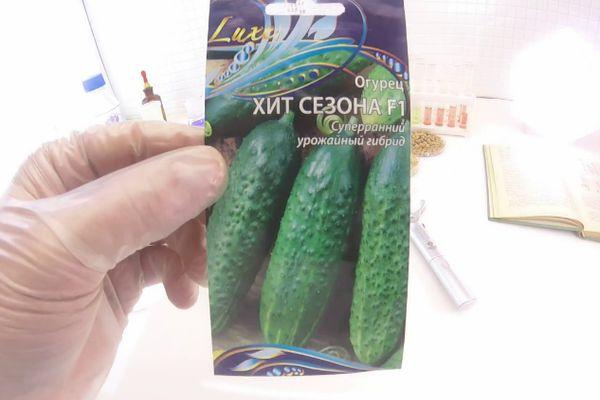
Can be eaten fresh or canned. This variety stores well, transports well, and is ideal for greenhouse cultivation.
Benefits of vegetables
The advantages of the Hit of the Season cucumber over other varieties are determined by its unique properties and structure. This variety produces gherkin-shaped fruits with good lateral shoot growth. Hit is a parthenocarpic (self-pollinating) variety with a female flowering type.
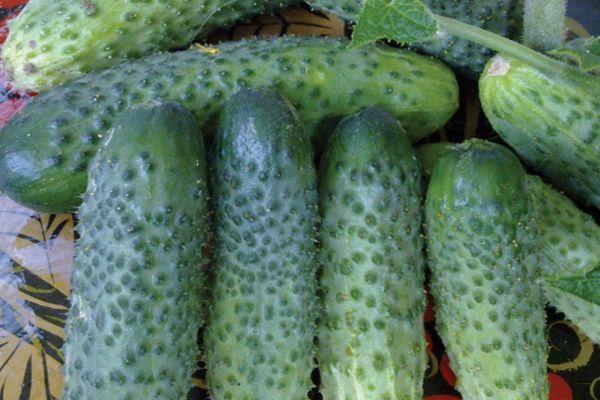
The advantages also include:
- The yield and stability of fruit formation are ensured by the alternate (every other day) opening of flowers in a bunch, which allows the ovaries to form, despite unfavorable weather conditions;
- The simultaneous growth of several fruits from the leaf axils prevents over-ripening of cucumbers: nutrients from one source are not enough for the intensive development of all specimens - the more there are, the slower the growth;
- The simultaneous ripening of 12-15 cucumbers on a plant is convenient for gardeners: you can come once a week and get a good harvest.
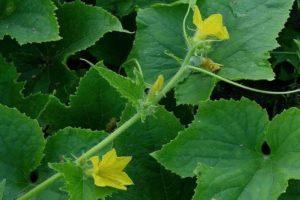
Despite all the positive qualities of the hybrid, it does not require special care: the operations are standard, as for other cucumbers.
Growing nuances
In terms of fruiting, Hit Sesonda F1 belongs to the bunch or bouquet class of cucumbers, producing small cucumbers: pickles (two days old) and gherkins. At the same time, this hybrid is shade-tolerant and produces fruit well on balconies. The number of ovaries in bunches depends on the light level of the plantation: the more sunlight penetrates the thickets, the more frequent the buds appear.
When growing a hybrid in shaded areas, it is recommended to keep seedlings obtained from seeds in optimal lighting conditions and only then transplant them to the planned location - this will ensure a good harvest.
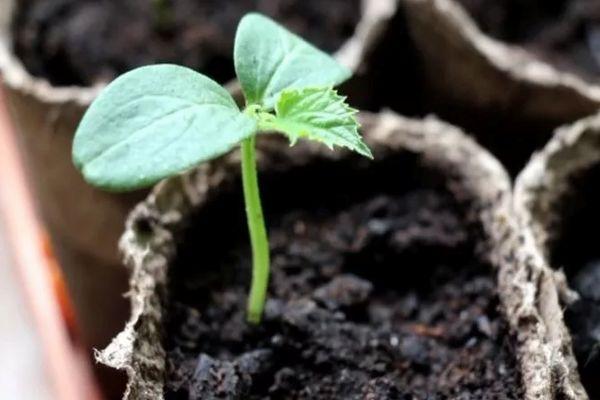
Other vegetation features:
- Planting location and method. Plant the bushes in bright, warm (18…26ºC) areas with fertile soil. Sow seeds in April or plant 15-20-day-old seedlings in open ground in late May or June. Plant at a density of 2-3 plants per square meter. Space the rows 0.5 m apart, with holes spaced 30-35 cm apart. Grow the seedlings in special containers filled with a store-bought or homemade potting mix: 1 part turf, 1 part sand, 2 parts compost.
- Watering. Regularly and with warm water, at sunset.
- Loosening and weeding are done superficially to avoid damaging the root system. Loose soil provides oxygen to the underground roots and better retains moisture. Mulching prevents insect infestations.
- Regular fertilization with complex and organic fertilizers is recommended: once a week at a rate of 10-20 g/m². Pest and disease treatments are applied as needed. Cucumber ripening will be accelerated by the additional carbon dioxide supplied by placing a barrel of fermented compost made from grass and manure in the greenhouse.
- Formation of bushes, removal of shoots. The yield will increase significantly if the branches are placed on a trellis (a vertical lattice support) along which the cucumber plants are distributed.
Take a look Also
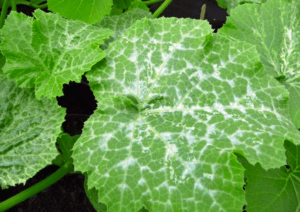
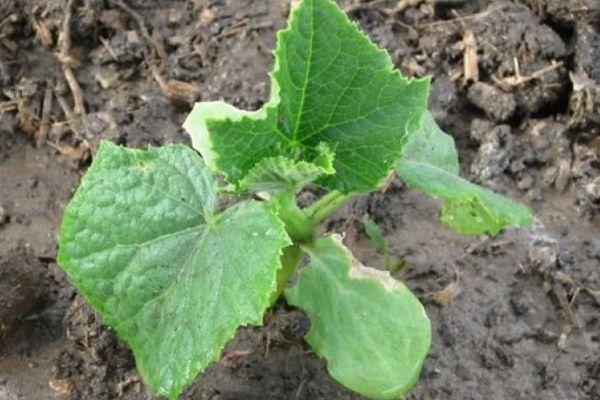
It's also worth keeping in mind that the Hit of the Season, like all cucumbers, doesn't like drafts—it's best to plant the cucumbers in a sheltered spot. With proper care and timely fertilizing, you can harvest up to 12 kg of gherkins per square meter of planting area.
Opinions of summer residents
This versatile and undemanding variety, requiring little care and yet quite productive, attracts many gardeners, so reviews of the variety are positive.
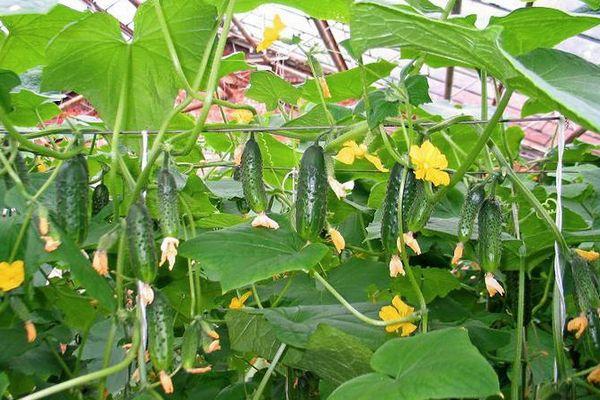
Here are some tips from gardeners who have planted the hybrid:
- It is better to cover the seedlings with plastic half-bottles;
- Fertilizer recipe: pour a bucket of water over the mown grass and let it sit for 10 days; use the concentrate in the following proportion: 1 liter per 10 liters of liquid;
- Planting is done in a hole previously filled with ash and compost; after sowing, the burial site must be watered;
- Spider mites appear in early June on cucumbers of this variety, and Fitoverm can be used to eliminate the pest—it works from the first treatment.
Cucumbers grow in clusters, and it's important to harvest them promptly, as they absorb the juices, preventing new cucumbers from forming. It's recommended to harvest every two days.
Related posts:
 Description of the early-ripening tomato Novosibirsk Hit F1, fruit characteristics and yield
 Description of unusual methods for planting and growing cucumbers
 How to care for cucumbers in open ground from planting to harvesting
 Description of the best varieties of Chinese cucumbers, planting, growing and care
 How to properly plant cucumber seedlings in a greenhouse and care instructions
 How to properly plant cucumbers in open ground with seeds, and at what depth
 How to make a cucumber trellis with your own hands from scrap materials
 Why do cucumber leaves curl inward and what to do about it?