
The Novosibirsk Hit F1 tomato is a new development by Siberian breeders. These modern varieties boast increased cold tolerance, resistance to fungal diseases, and early maturity. These qualities allow for consistent and high yields even in risky farming regions.
Early and large-fruited tomato
A mid-early determinate variety. The first ripe fruits can be harvested in open ground within 90-95 days from germination. The bushes are quite tall—up to 1.5 m—so staking and pinching are essential.
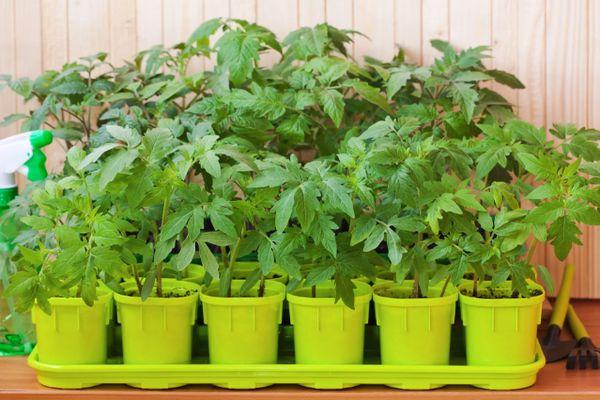
The Novosibirsk Hit variety is considered average in yield. One bush can produce approximately 9 kg of tomatoes. To maximize yield, it is recommended to train Novosibirsk Hit tomatoes into 2-3 stems. Large plants should not be planted too closely together. The optimal planting pattern is 70 x 100 cm.
The bush has medium foliage, but the leaves are large, requiring removal of excess foliage during fruit set and ripening. Leaves located below the next developing fruit cluster (after flowering) are pruned. During rainy seasons, this also serves as an additional preventative measure against late blight.
Characteristics of fruits
The Novosibirsk Hit tomato variety is also notable for its fruits.
Description:
- The average fruit weight is 400–500 g, but a tomato weighing up to 700 g can grow on the lower brush.
- To form large tomatoes, you can remove some of the ovaries, leaving 4-5 on each brush.
- At the stage of technical ripeness, the skin of the fruit acquires a beautiful bright red color.
- Reviews from gardeners indicate that the tomato is distinguished by its high sugar content and rich tomato aroma.
- The seed chambers are small, so the variety is considered fleshy.
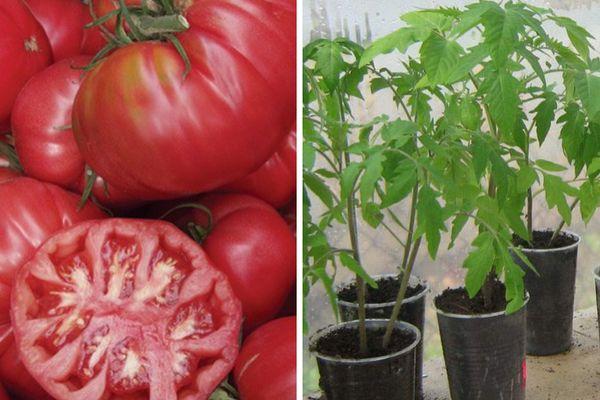
The combination of large size, excellent flavor, and fleshy fruit makes Novosibirsky Hit a predominantly salad-based variety. Its early ripening period allows for the inclusion of tomato appetizers in summer menus from July until the end of the season. The fleshy tomatoes are also ideal for sandwiches.

Large tomatoes are not suitable for whole-fruit canning. However, due to the vibrant color of their flesh and high sugar content, Novosibirsky Hit tomatoes make excellent juice, can be used for tomato paste or lecho, or canned salads.
How to grow a good harvest?
Despite the ease of modern varieties, a good harvest requires some effort. Proper seedling cultivation affects the overall yield of the plant. Fertilizing is also important for the large-fruited Novosibirsky Hit tomatoes.
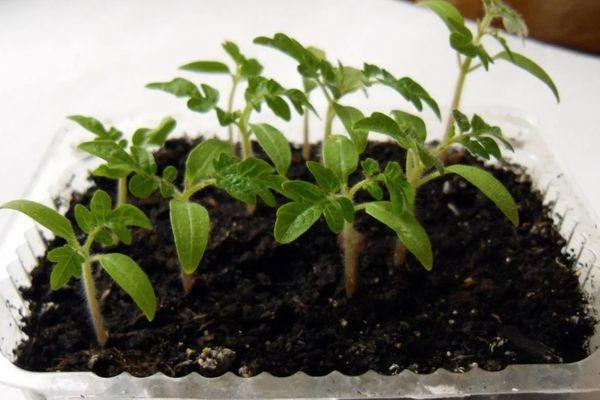
Seedlings should be sown no earlier than 1.5–2 months before planting. Avoid sowing tomatoes too early, as they tend to stretch and weaken in a small amount of soil. Because of this, even the first flower cluster that forms often remains barren or produces only 1–2 very small fruits.
Once the seedlings emerge, place the seedling tray in a well-lit area. The soil temperature should not drop below 18°C. Watering is best done with cool water, not too different from the soil temperature. To prevent blackleg, dust the soil and stems with sifted wood ash after watering.

Seedlings are pricked out when 2-3 true leaves have formed. They should be planted in a 10x10 cm pattern. To prevent the seedlings from becoming leggy, they need to be provided with light, providing about 10 hours of daylight.
Fertilize the plants 7-10 days after planting them in their permanent location. For the Novosibirsk Hit variety, dilute 1 tablespoon of nitroammophoska in 10 liters of water and water the tomatoes at a rate of 0.5 liters per plant. Nitrogenous nutrients are essential for the formation of green foliage.
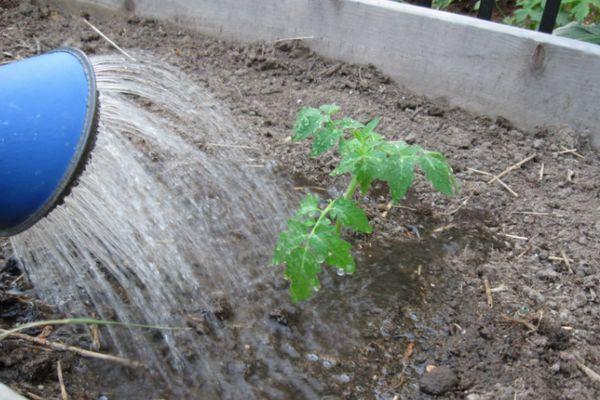
After two weeks, apply phosphorus-potassium fertilizer. This will stimulate flower cluster formation and fruit set. Prepare a solution of 1 tablespoon of superphosphate and 1 teaspoon of potassium salt per 10 liters of water. Apply 1 liter to each plant. Repeat the application after two weeks. You can use ready-made fertilizer mixes designed for tomatoes (such as Senor Tomato).

Vegetable growers note that excess moisture can cause tomatoes to lose some of their flavor. During dry summers, the Novosibirsk hit should be watered no more than once every 5-7 days, with about 10 liters of water per plant. It is not recommended to spray plants.
The disadvantage of this variety is that it is a hybrid (labeled F1). Seeds for these tomatoes will need to be purchased annually. If you try to use tomatoes from your own garden for seed, the variety may not live up to its specifications.
Related posts:
 Characteristics of the Hit of the Season F1 cucumber, cultivation features and yield
 Description of the best pepper varieties for greenhouses and open ground in 2025
 Description of the best new tomatoes of 2025, high-yielding varieties for greenhouses and open ground
 When to plant cucumbers in open ground in Siberia, how to grow them, and the best varieties
 Description and characteristics of the best seeds of pea varieties and types
 The best grape varieties for growing in the Urals, planting and care rules in summer
 Description of the best potato varieties of domestic and foreign selection
 Description of the Velika grape variety, cultivation and care tips