
- The beneficial effects of hydrogen peroxide on cucumbers
- Operating principle
- Indications for treating cucumbers with hydrogen peroxide
- Seed treatment
- Prevention and treatment of diseases
- For the development of the root system of seedlings
- Fertilizer for bush growth
- Pest control
- Harmless methods of spraying and watering
- Methods for fertilizing cucumbers with hydrogen peroxide in a greenhouse and in open ground
- How to properly dilute and use the drug
- The effect of watering and fertilizing with hydrogen peroxide
- Safety precautions when working with the drug
- Reviews of the product from experienced gardeners
Cucumbers are a favorite vegetable, and they can be eaten raw or preserved for the winter. However, to ensure a good harvest, you need to care for the plant, water it regularly, remove weeds, and take preventative measures against diseases. To prevent plant death, it's recommended to use hydrogen peroxide directly on cucumbers, as this solution is considered one of the best and safest treatments for garden crops.
The beneficial effects of hydrogen peroxide on cucumbers
Hydrogen peroxide (peroxide, perhydrol, hydroperite) is considered a strong oxidizing agent. Its structure is unstable and it quickly decomposes into water and free oxygen. Due to its chemical properties, hydroperite has a beneficial effect on plants, saturating them with oxygen, which is considered essential for life. Furthermore, this solution has a positive effect on plant development because:
- is considered an excellent growth stimulant;
- improves the health and strengthens the immunity of seedlings;
- allows the plant to better absorb the nutrients found in the soil.
It also prevents the appearance and reproduction of pathogenic microorganisms not only on the leaves, but also in the soil.
Operating principle
Hydrogen peroxide is a colorless liquid with a metallic taste and is a natural product. It dissolves readily in water and alcohol. It is found in atmospheric precipitation, formed as a byproduct of the oxidation of various substances by air. Hydrogen peroxide is also present in mountain air.
The indicated agent is known as an antiseptic, but it can also be used beneficially for garden crops, for example, for cucumbers.
The main principle of hydrogen peroxide is that it prevents the development of pathogenic flora in the soil, which often occurs when plants are improperly watered. Overwatering garden crops can cause root rot, which can lead to the death of the plant.

Indications for treating cucumbers with hydrogen peroxide
Hydrogen peroxide not only disinfects the soil, but can also be used as a preventative measure against diseases that cucumbers are often susceptible to. However, this product is also used for other purposes, helping to increase the yield of this beloved vegetable.

Seed treatment
As we know, the key to a good harvest is not only proper plant care, but also the selection of high-quality seeds and their preparation for planting. To ensure the survival of the maximum number of seedlings, cucumber seeds are treated with a weak hydrogen peroxide solution. This provides additional nutrition and strengthens the immune system of the future seedlings.
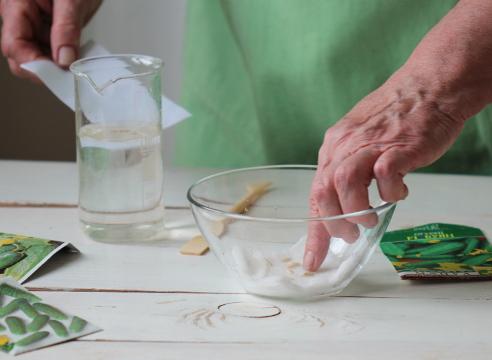
Before processing, soak the cucumber seeds in warm water for a couple of hours to soften the shell. Then, add 0.5 liters of water and 1 tablespoon of 3% hydrogen peroxide solution. It's important to use the prepared solution immediately, as hydrogen peroxide is a very unstable substance and decomposes very quickly.
The soaking time should be 20 minutes. Then, rinse the seeds with warm water and dry them. The treated seeds can be planted either in seedling containers or directly into the soil outside.
Important! During the 12-24 hour soaking period, you need to make a new solution 2-3 times, as over a long period of use, it will lose its properties and will not produce the desired results.
Often the same time is provided for seeds with a hard shell or those that have a long germination period.
Prevention and treatment of diseases
Cucumber bushes, if improperly cared for and exposed to unfavorable conditions, are often susceptible to diseases that lead to the death of the plant. To avoid this, it is recommended to take preventative measures and spray with a prepared solution containing hydrogen peroxide.
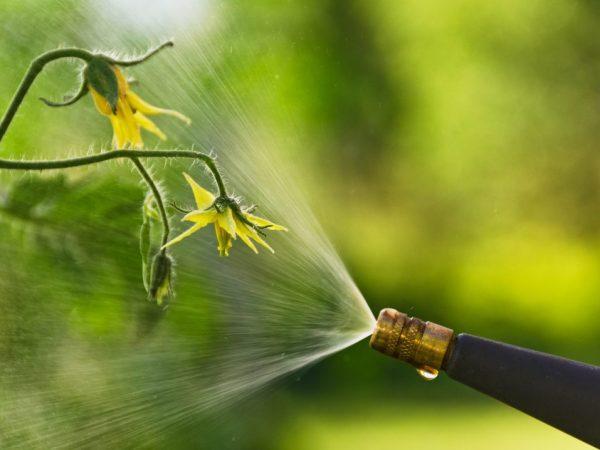
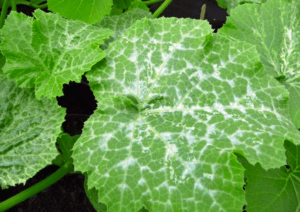
Often rusty or white spots appear on cucumber leavesThese are diseases that lead to the rapid death of the bush, and sometimes the entire bed. Fungal diseases such as late blight and downy mildew can be the cause. As a preventative measure, dilute 2 tablespoons of peroxide in 1 liter of water and spray the leaves with the resulting solution, both inside and outside. If root rot occurs, you can water the plant with the prescribed product at the root or treat the lower part of the stem.
For the development of the root system of seedlings
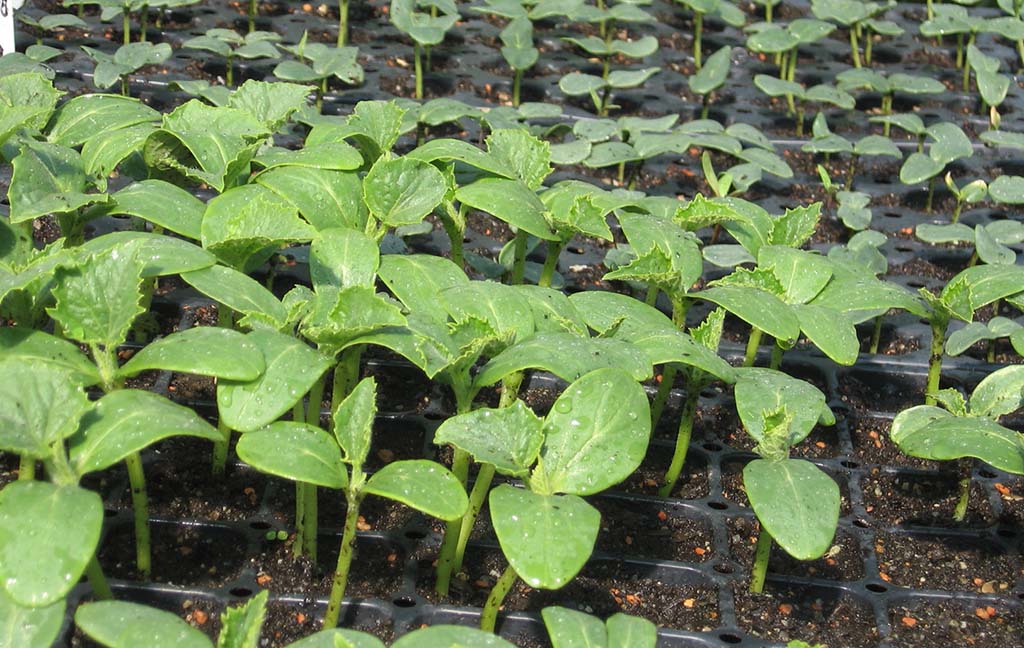
Growing cucumbers from seedlings requires transplanting them from the greenhouse to their permanent location. After transplanting, the plant appears slightly limp and requires time to recover from the shock of the transplant.
To help seedlings acclimate more quickly to their new location, gardeners recommend using hydrogen peroxide. To do this, add 0.3 milliliters of a 3% solution to a liter of water and water the plants, but do this no more than once or twice a week.
Take a look Also
Fertilizer for bush growth
To ensure cucumber plants grow well and branch out, you need to use fertilizer. In this case, dilute 20 tablespoons of the specified chemical solution in a bucket of water and irrigate. Since peroxide contains hydrogen and oxygen, it supplies the plants with the nutrients they need to thrive, thereby accelerating their growth.
Pest control
The most common cucumber pests are spider mites and aphids. Their presence can be devastating to the plant if proper measures are not taken. Therefore, it is recommended to use hydrogen peroxide to treat the plants. To do this, dilute the product in water and spray it on the foliage and stems of the cucumber plant.
Harmless methods of spraying and watering
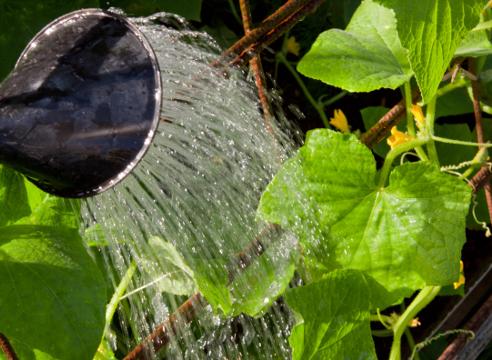
Hydrogen peroxide has a beneficial effect on the development of cucumber plants if watered regularly. However, spraying the leaves also helps promote the growth of this beloved vegetable.
Methods for fertilizing cucumbers with hydrogen peroxide in a greenhouse and in open ground
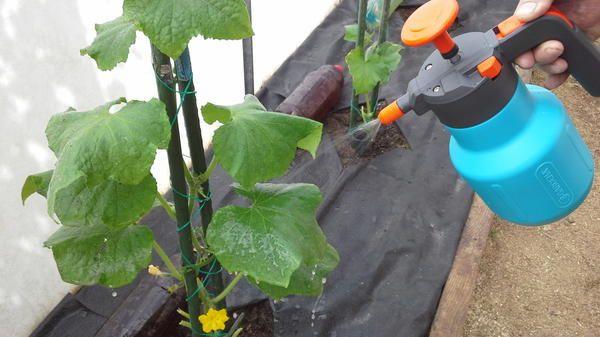
Fertilizing can be done for both greenhouse and outdoor plants. Fertilizing can be done by either root watering or by spraying the cucumber plant's foliage with a spray bottle. The difference lies in the proportion of the fertilizer used, which is diluted in water.
How to properly dilute and use the drug
Hydrogen peroxide is easy to use and doesn't require any special equipment. It can be purchased at any pharmacy, and it's also sold in specialty gardening stores. However, there's a catch.
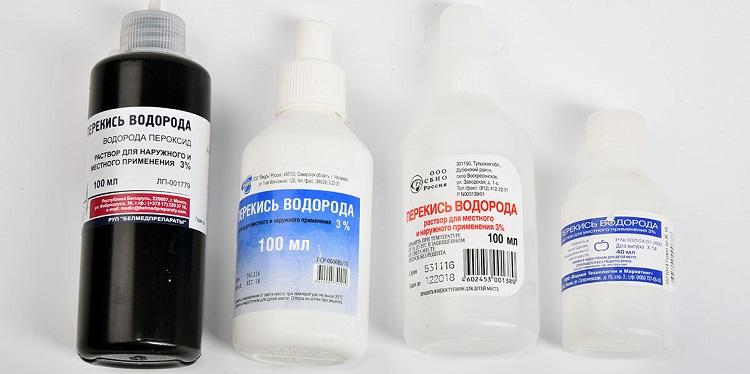
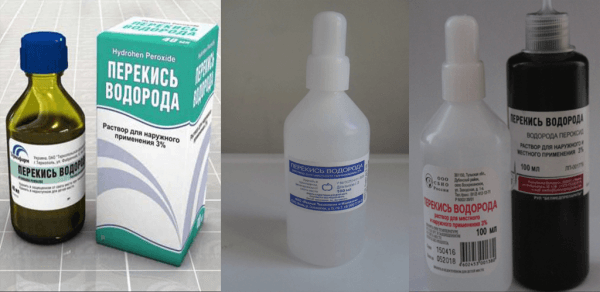
The pharmacy version is weakly concentrated, so it can be safely added to water without fear of harming the plant or yourself. The product purchased at gardening stores has a 30% concentration. Therefore, dilute the contents carefully, as contact with skin can cause burns.
As for the question of how to properly use the designated chemical solution, it should be noted as a recommendation that it must be diluted with rubber gloves, especially if the product has a 30% concentration.
It's best to treat plants early in the morning or evening. This is because fewer ultraviolet rays reach the ground at these times, which can burn leaves when reflected by water droplets. Even if the weather is cloudy, it's still best to treat at this time.

The effect of watering and fertilizing with hydrogen peroxide
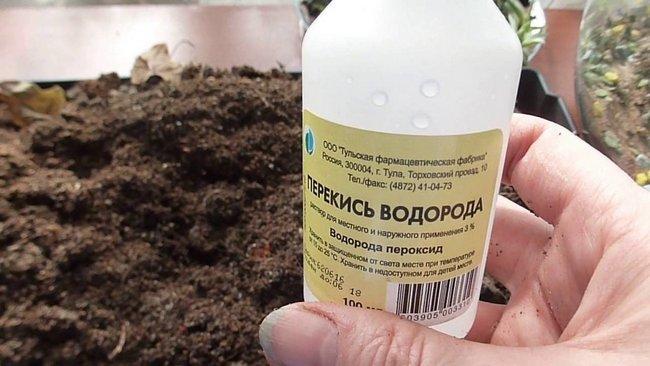
The effectiveness of peroxide becomes noticeable within a couple of hours. For example, wilted seedlings, after picking or transplanting to their permanent location, become more viable if sprayed or watered with this solution.
Moreover, experienced gardeners note that after treating cucumbers with hydrogen peroxide, their yield increases significantly.
Important to know! Hydrogen peroxide is chemically composed of two oxygen atoms. It is this additional atom that allows it to act as a disinfectant, oxidizer, and aerator for plants.
Safety precautions when working with the drug
Pharmaceutical-grade peroxide is considered safe because it has a low concentration. However, if the concentration is 10 percent or higher, safety precautions should be taken, as it can cause injuries of varying severity. Specifically:
- Depending on the duration of exposure to the skin of the body, burns may occur.
- If the drug gets into the eyes, it can cause not only severe irritation, but also damage the cornea.
- Inhaling peroxide in small doses causes a burning pain in the nose and throat, and if the concentration of the chemical is high, it can cause pulmonary edema and damage to the respiratory tract.
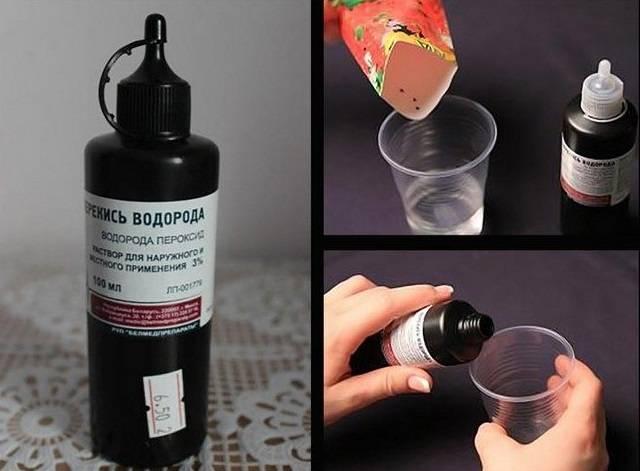
To avoid any negative consequences, extreme caution is recommended when using this product. Therefore, wear rubber gloves, and if the product is highly concentrated, wear a respirator and tightly fitting goggles.
If hydroperite comes into contact with your skin or eyes, rinse immediately with running water. If severe irritation occurs, seek medical attention immediately.
Reviews of the product from experienced gardeners
Reviews are mixed, with some gardeners saying hydrogen peroxide is incapable of achieving its stated properties because it's considered unstable. Others, on the contrary, praise the product and use it on their gardens.
Related posts:
 Description of unusual methods for planting and growing cucumbers
 Description of the best varieties of Chinese cucumbers, planting, growing and care
 The use of hydrogen peroxide for plants, its effects and processing rules
 How to care for cucumbers in open ground from planting to harvesting
 How to make a cucumber trellis with your own hands from scrap materials
 How to properly plant cucumbers in open ground with seeds, and at what depth
 Why do cucumber leaves curl inward and what to do about it?
 How to properly plant cucumber seedlings in a greenhouse and care instructions