
- Peculiarities of growing cucumbers on a windowsill
- Suitable varieties
- Balcony miracle
- City cucumber
- Swallowtail
- April
- Booth
- Debut
- Cuckoo
- Hummingbird
- Elegant
- Masha F1
- Garland
- The main stages of cultivation
- Seed preparation and germination
- Choosing a pot
- Soil preparation
- Planting and caring for seeds
- Transplanting seedlings
- Further care of cucumbers on the balcony
- Protection from direct sunlight
- Pinching
- Watering mode
- Fertilizing cucumber bushes
- Tying bushes to a support
- Pollination
- Diseases and pests
- Harvesting cucumbers
- Conclusion
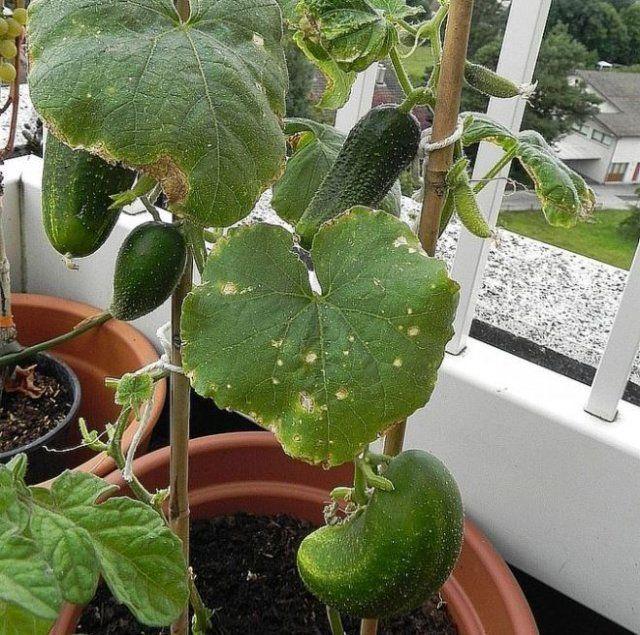
Many vegetable gardeners who don't have a garden or vegetable patch grow cucumbers on their balconies. Before planting a balcony cucumber, it's important to understand the specifics of growing vegetables indoors.
Peculiarities of growing cucumbers on a windowsill
Planting and growing cucumbers on a windowsill is best done in winter or fall, as this is the best time to start growing vegetables. Before planting, make sure the house is well-lit. Without sufficient light, cucumber seedlings will grow more slowly. To achieve this, many people install additional lamps in the room where the vegetables are planted to provide artificial light.
You should also ensure that the seeds are planted in suitable soil. The soil should be:
- nutritional;
- loose.
A loosened soil mixture containing nutrients significantly improves the growth and fruiting of planted vegetables. Experts recommend fertilizing the soil with the following fertilizers:
- river sand;
- ash;
- rotted sawdust;
- humus.
Suitable varieties
There are several varieties that are ideal for growing in an ordinary apartment or loggia.
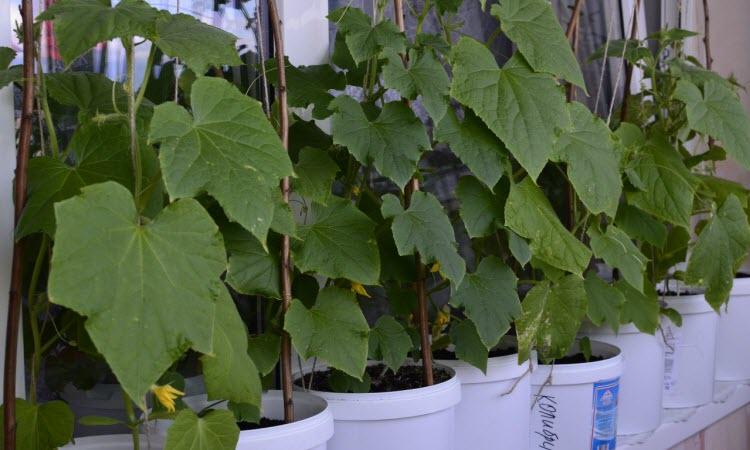
Balcony miracle
A determinate plant that grows to 60-75 centimeters in optimal conditions. The advantages of Balcony Miracle include its compact size and ease of cultivation. The bushes have strong stems and do not require staking. A mature harvest is harvested 80 days after planting the seeds in pots.
City cucumber
Experienced vegetable growers recommend planting the City Cucumber in pots on windowsills, which is considered one of the best varieties for growing indoors. This young hybrid was created in 2007. Each plant produces over five kilograms of vegetables.
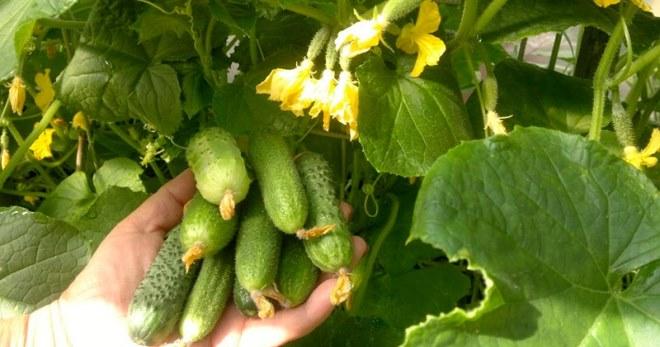
Swallowtail
Another common cucumber variety suitable for apartment planting is the Makhaon. This vegetable was developed specifically for growing on verandas, loggias, and balconies. Makhaon produces compact bushes that grow up to 65 centimeters. These bushes produce oblong fruits 10-12 centimeters long. Makhaon yields up to 8 kilograms per bush.

April
To get a tasty harvest, we recommend planting the April cucumber. This early-ripening plant ripens its fruit in 35-40 days. Mature cucumbers are large, weighing up to 350 grams each. The variety does not tolerate low temperatures well and is therefore grown indoors.
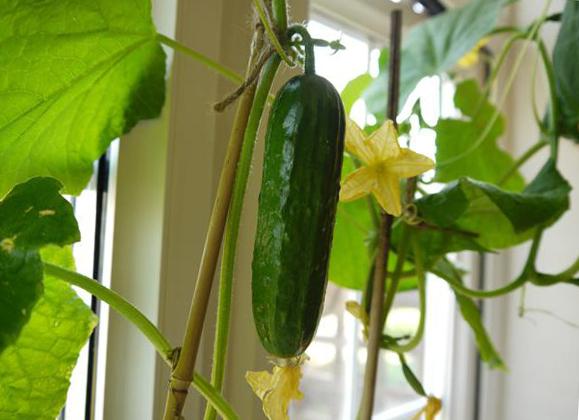
Booth
This variety doesn't grow very tall, as its bushes don't exceed 50 centimeters. For this reason, some gardeners grow Balagan in pots. Ripe fruits reach ten centimeters in length.
Debut
Some gardeners like to plant Debut because it's easy to care for. The bushes don't require intensive watering and don't need to be secured to supports. Debut has excellent flavor, so its crisp cucumbers are often used for preserves and pickles.
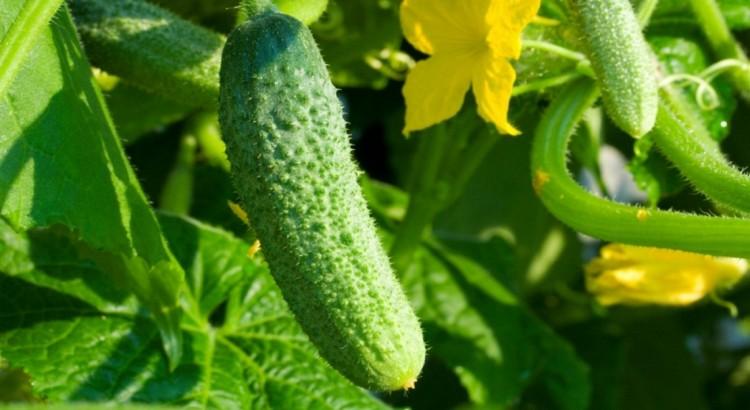
Cuckoo
A window is considered the ideal spot for planting Zozulya. This early-maturing hybrid vegetable produces a harvest within 50 days. Initially, the plants produce only a few fruits, but after 15-20 days, the yield doubles or triples. Three plants yield at least 20 kilograms of vegetables.
Hummingbird
This variety is recommended for planting in greenhouses or other indoor settings, as it can be damaged by low temperatures. Harvesting begins six weeks after planting the seedlings. The yield per square meter is 10-15 kilograms.
Elegant
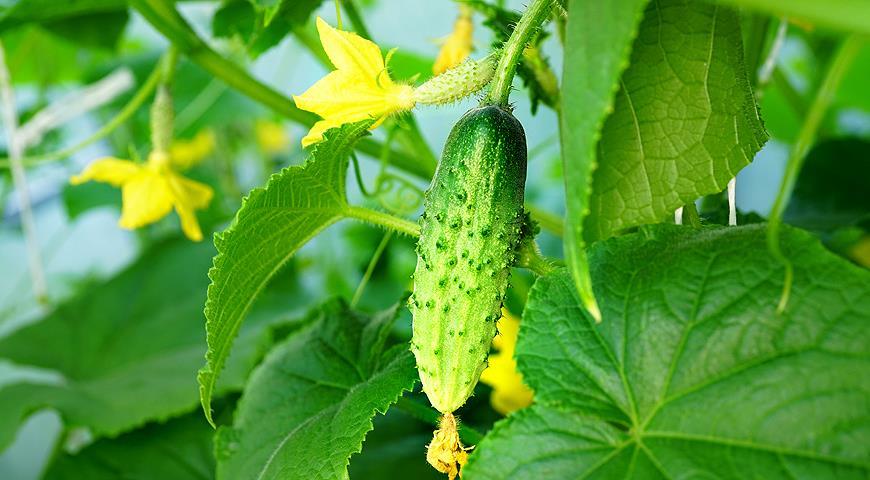
People who grow vegetables on their balconies themselves often plant Elegant cucumbersThe main characteristic of this variety is its long fruits, which grow up to 15 centimeters. Each cucumber weighs up to 150 grams.
Masha F1
This hybrid should be planted on a balcony, as it produces better fruit indoors. In greenhouse conditions, each Masha bush yields 8-9 kilograms. The first fruits ripen 35 days after transplanting the seedlings into pots.
Garland
Many gardeners don't want to waste time hand-pollinating cucumber plants, so they plant Garlanda, which pollinates itself. The fruits grow to 200-220 grams and are used for pickling and preserving.
The main stages of cultivation
Before you start growing cucumbers on your balcony, you need to familiarize yourself with the main stages of growing vegetables.
Seed preparation and germination
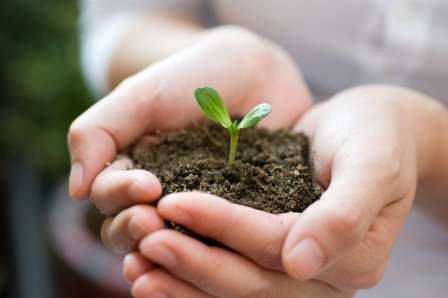
The key to rapid seed growth is pre-preparation. First, the seed to be planted must be soaked. To do this, place the entire seed in a container of warm water for 48 hours.
Sometimes, a disease slows down the seed germination process. To eliminate pathogens, soak the seeds in a potassium permanganate solution for 30-35 minutes.
Choosing a pot
It's important to choose a container in which to grow the seedlings. Some claim that a regular jar will do, but this isn't true. A peat pot is recommended, as the seeds germinate much faster in it.
Soil preparation
The soil affects the rate of germination of planted seeds, and therefore it is necessary to approach the preparation of the soil mixture seriously.
To prevent the first shoots from wilting, nutrients are added to the soil, which have a positive effect on the development of cucumber seedlings.
For planting, select fertile black soil with a pH of 6-7. It is mixed with humus, wood ash, river sand, and manure.
Planting and caring for seeds
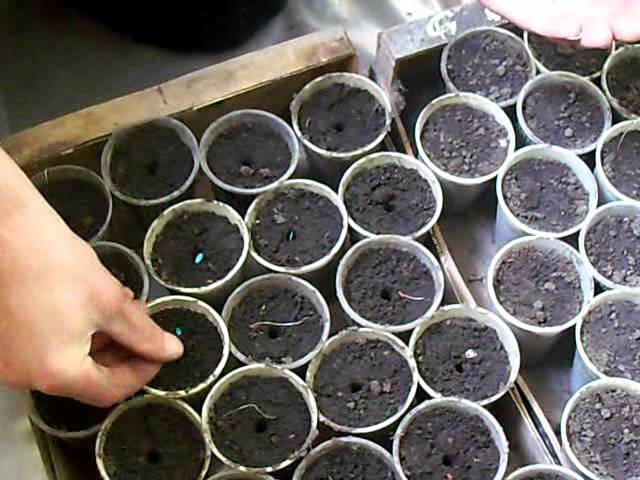
Before planting the seeds, read the cucumber planting instructions. First, fill the pots halfway with the prepared soil mixture, then make shallow holes in the soil. Experienced gardeners recommend watering the holes beforehand to speed up germination. Plant no more than one seed in each hole.
Transplanting seedlings
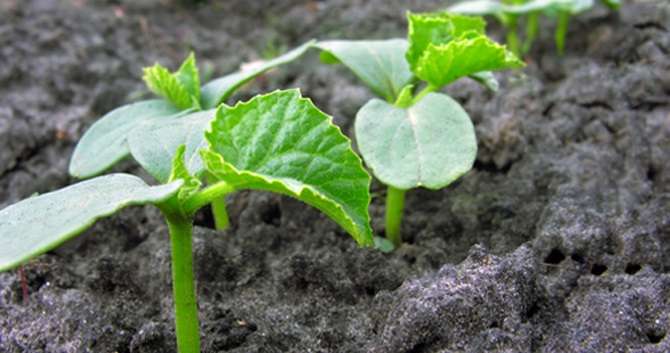
When the seedlings grow to 8-10 centimeters, they are transplanted into larger containers, since in small pots they stop growing and stretching upwards.
Before replanting, water the seedlings thoroughly to make them easier to remove from the pot. To carefully remove a cucumber plant from the soil, grasp it by the lower part of the stem and gently pull upward. Then, shake off any excess soil from the removed seedling and plant it in a new pot.
Further care of cucumbers on the balcony
To prevent transplanted seedlings from wilting, they need proper care. It's recommended to familiarize yourself with how to care for vegetables planted on the balcony in advance.
Protection from direct sunlight
Sometimes cucumbers begin to die due to direct sunlight. To protect the plants from intense sunlight, curtains are installed on the windows. Additional lighting is also installed on the balcony to replace the sun's rays.
Pinching
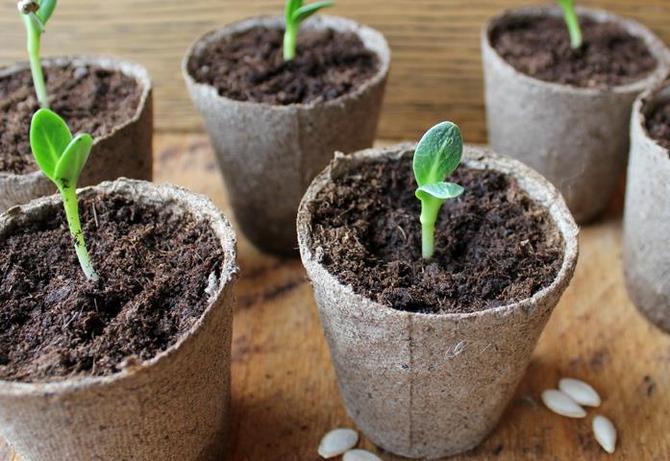
Forming and pinching cucumber bushes is done to improve fruiting. Pinching is done when 5-6 true leaves appear on the plants. First, the side shoots located above the lower six leaves are removed. Side shoots are pinched again after the next six leaves appear. Experts recommend pinching the runners and shoots with pruning shears or secateurs.
Watering mode
Watering is an essential part of cucumber care. When growing cucumbers in a garden, drip irrigation is often used. However, when growing vegetables on a balcony, manual soil irrigation is necessary. Watering is done 3-4 times a week, using 2-3 liters of water for each bush.


Fertilizing cucumber bushes
Cucumber plants require regular feeding, as a lack of nutrients causes leaves to droop and turn yellow. The most effective fertilizer is urea, which promotes cucumber growth. To prepare the fertilizer, fill a liter kettle with water and place it on a gas stove. Then add a spoonful of urea to the mixture.
Tying bushes to a support
Bushes that grow taller than 70 centimeters are best tied to a support. To do this, place a wooden plank in the center of the pot and tie the main stem to it.
Pollination
Many people are interested in, How to pollinate cucumbers at home On the windowsill. When growing vegetables outdoors, bees pollinate them. However, some cucumber varieties require artificial pollination. To pollinate, carefully pick a male flower and hold it near the female flower to expose it to the pollinator.

Diseases and pests
Common cucumber diseases include:
- fusarium;
- powdery mildew;
- anthracnose;
- bacteriosis.
Pests include whiteflies, aphids, slugs, and snails, which appear when flowering begins. To protect seedlings from dangerous insects and diseases, spray the vegetables with the fungicide "Krokodil" and Bordeaux mixture. Copper-containing preparations can also be used to combat diseases.
Harvesting cucumbers
Cucumbers should be picked when they reach 12-15 centimeters in length. Don't delay harvesting, as they quickly turn yellow and spoil. It's recommended to place the harvested cucumbers in a large plastic container and store them in a cellar or basement.
Conclusion
People who don't have a garden often plant cucumbers on their balconies. Before planting, it's important to familiarize yourself with common cucumber varieties and the nuances of growing them.
Related posts:
 The best eggplant varieties for growing in a polycarbonate greenhouse: planting and care
 Description of the best pepper varieties for greenhouses and open ground in 2025
 How to prune grapes step by step for beginners
 50 Best Carrot Varieties with Descriptions and Characteristics
 Description of blight-resistant tomato varieties for open ground and greenhouses
 Description and properties of the 50 best varieties of asparagus beans, benefits and harms
 Is it possible to plant carrots in July or at the end of June? What are the best days and care instructions?
 Description and characteristics of the best seeds of pea varieties and types