
- Description and characteristics of the tree
- Main characteristics
- Precocity
- Flowers
- Fruit
- Features of fruiting
- Productivity
- Frost resistance
- Disease resistance
- Soil requirements
- Pros and cons of the variety
- How to plant correctly
- Recommendations for choosing deadlines
- Site and soil requirements
- Preparing the site and the pit
- How to select and prepare planting material
- Planting diagram
- Growing and care rules
- Watering mode
- Top dressing
- Crown formation
- Preparing for winter
- Mulching
- Protection from diseases and pests
- Methods of reproduction
- Seeds
- By vaccination
- Harvesting and storage
- Tips from experienced gardeners
Some people may have never even heard of the Lancaster walnut. This plant isn't yet very common in gardens, but that's a shame: it's more undemanding and winter-hardy than walnuts, which often don't ripen before frost. Below is information on growing the tree, its advantages and disadvantages, propagation methods, harvesting, and storing the crop.
Description and characteristics of the tree
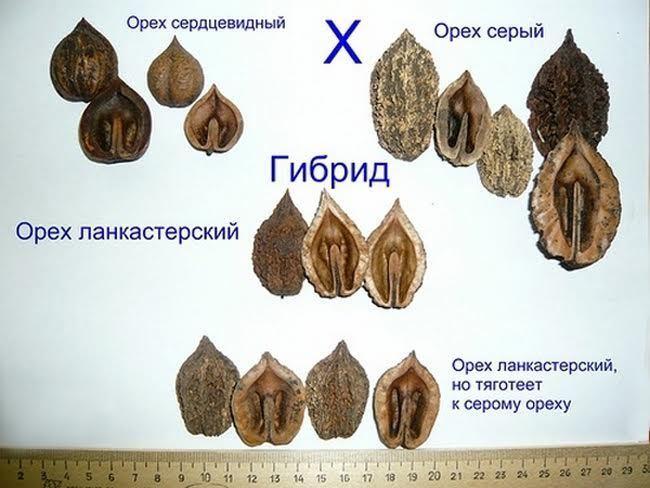
The Lancaster walnut was bred by accident, resulting from the natural cross-pollination of two adjacent walnuts: the grey walnut and the small walnut. This event occurred at the Lancaster Botanic Garden, hence the tree's name.
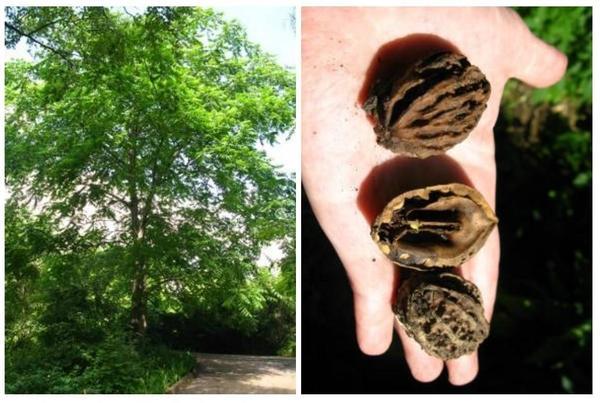
The Lancaster walnut is a tall tree with a strong trunk, medicinal leaves, and tasty, nutritious fruits. In a garden, the tree can grow up to 10 meters tall. It is an easy-to-grow tree and can propagate itself by sprouting nuts that fall to the ground in the fall.
Additional information: Lancaster nut leaf extracts can be used to lower blood sugar.
Main characteristics
The Lancaster walnut is not yet widely grown in gardens. However, it is likely to become a popular choice for home gardens, as it can withstand severe frosts.
Precocity
The tree begins to bear fruit six years after planting. The older the tree, the higher the yield. A gardener will harvest about 8 buckets of fruit from a 20-year-old tree. The harvest is in September.
Flowers
In May, male and female flowers begin to bloom. The former are gathered in clusters of 10-12 flowers, with long pink stigmas. The latter produce long catkins.
Fruit
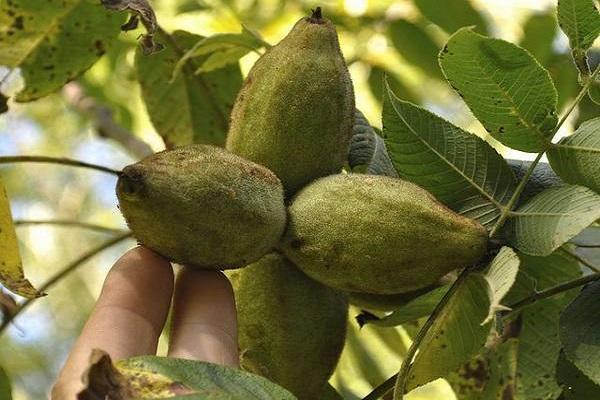
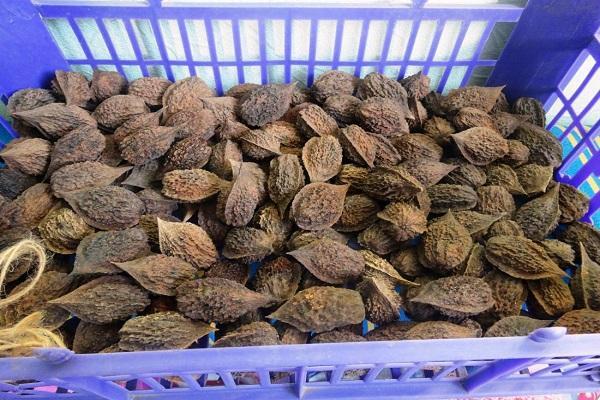
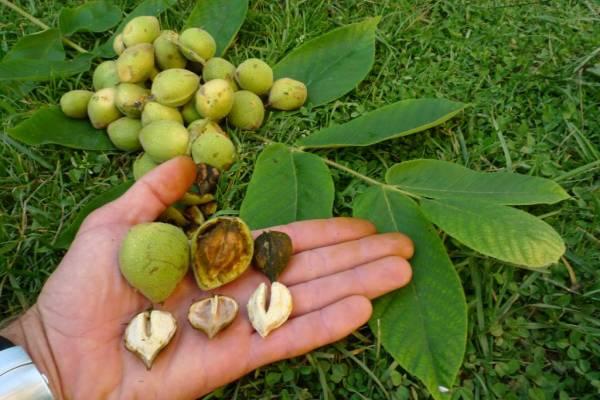
The fruits are 3-4 centimeters long and 3 centimeters wide. They are slightly elongated and heart-shaped. The pericarp is pubescent, and there are no internal partitions. The nuts have a low tannin content, so they lack bitterness.
Features of fruiting
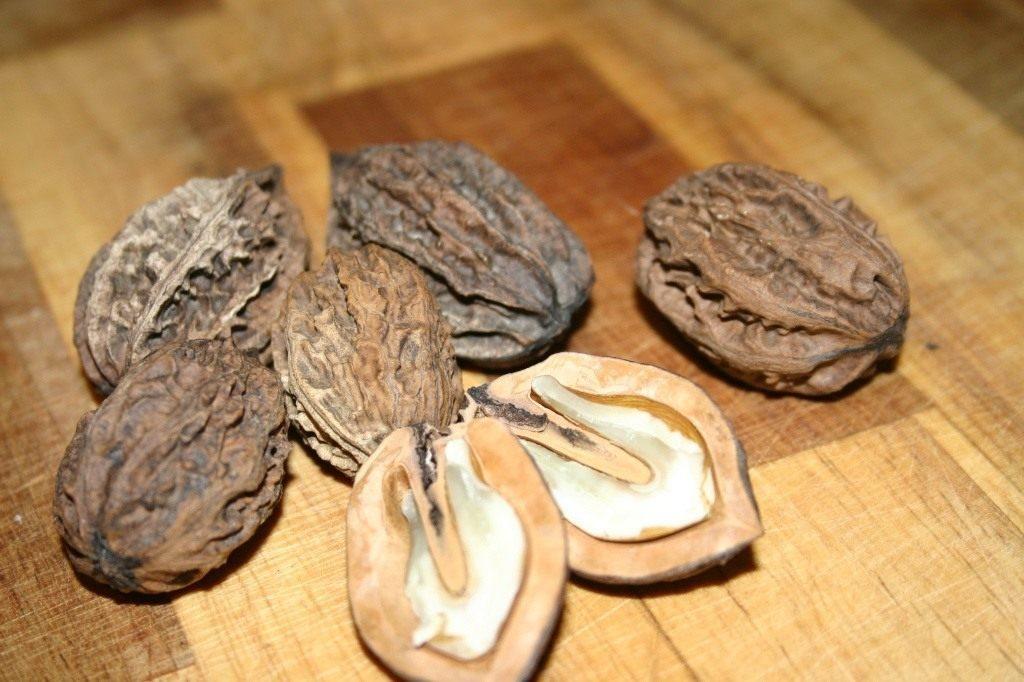
Each year, the tree bears more and more fruit. Unlike walnuts, Lancaster nuts grow in clusters of 8-12. When split in half, they resemble a medallion.
Productivity
The Lancaster walnut tree is promising for cultivation not only in private farms but also for industrial production. At 20 years of age, a tree can produce 110 kilograms of fruit. Depending on care, the crop can yield between 2.5 and 7.5 tons of fruit per hectare.
Frost resistance
One of the tree's positive characteristics is its high frost resistance. The tree is capable of adapting to harsh climates. Even with a slight frost, the nut tree quickly recovers.
Disease resistance
The Lancaster walnut has a strong immune system inherited from its parents. It is rarely affected by diseases. The tree's main enemy is the mulberry fungus, which must be removed immediately.
Soil requirements
The Lancaster walnut isn't picky about soil composition. It thrives in both loamy and sandy loam soils. However, for rapid growth and improved immunity, it's best to plant it in fertile soil.
Pros and cons of the variety
The advantages of culture include the following qualities:
- frost resistance;
- good immunity;
- stable fruiting;
- shelf life of fruits;
- medicinal properties of leaves.
The disadvantages include the tall height of the tree, which can shade nearby plantings.
How to plant correctly
When planting a tree, it is important to remember that its crown grows larger with age, and avoid planting perennial light-loving plants nearby.
Recommendations for choosing deadlines
Lancaster walnut trees are planted in the spring or fall. Experts recommend planting the trees in the spring to allow the root system to establish itself well before frost sets in.
Site and soil requirements
Choose a sunny location for the walnut tree. The more sunlight it receives, the higher the yield. However, even if it grows in partial shade, it will still outgrow all nearby trees.
Preparing the site and the pit
The planting site for the young tree is cleared of debris and dug over. It's best to dig the hole a few days before planting. If the soil is clayey, place a drainage layer of small stones, broken bricks, or expanded clay at the bottom.
How to select and prepare planting material
Seedlings are purchased from nurseries or garden centers. They must be healthy and free of disease.
It's important to inspect not only the trunk but also the root system. Healthy roots are well-developed and free of rot and growths.
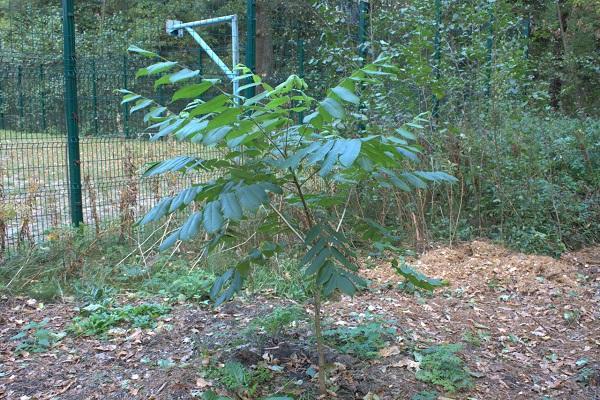
The best age for planting a walnut tree is 1-2 years. The older the plant, the more difficult it is to establish. Before planting, the seedling's root system is dipped in a bucket of water for 12-24 hours.
Planting diagram
If several trees are planted on a plot, maintain a distance of 5-6 meters between them. Walnut trees are planted according to the following pattern:
- dig a hole 2-3 times larger than the volume of the root system;
- if necessary, drainage is placed on the bottom;
- sprinkle a little substrate on top;
- a seedling is placed in the middle and lightly covered with soil;
- a peg is dug in nearby to serve as a support;
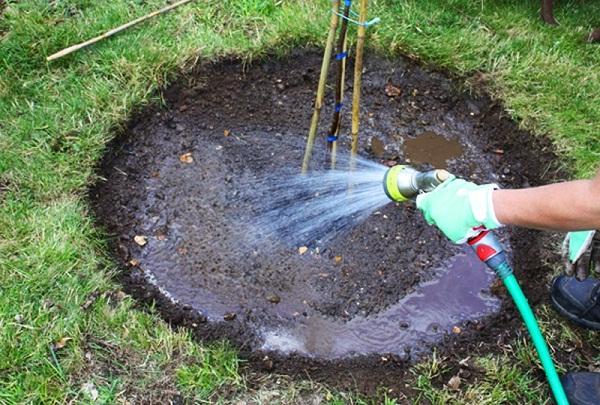
- the root system is watered generously;
- fill in the remaining soil.
The tree trunk circle is mulched, and the tree trunk is tied to a peg.
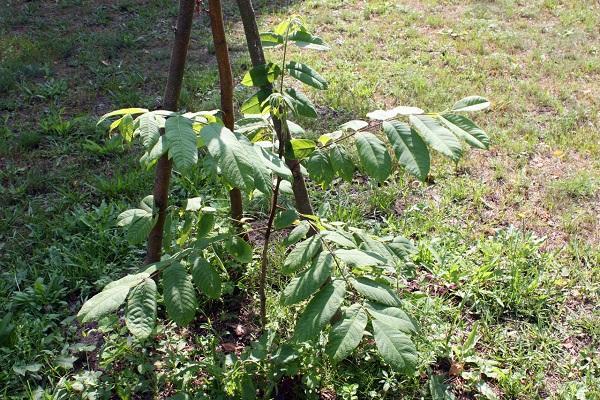 Please note! The root collar of the walnut should not be buried deep when planting.
Growing and care rules
The crop requires fertilizing, mulching, and watering during dry weather. Preventative spraying is also necessary to prevent disease.
Watering mode
The Lancaster walnut develops a strong root system that can extract moisture from deep within the soil. For this reason, it doesn't require frequent watering. The soil should be moistened only when planting and during dry, hot weather.
Top dressing
Fertilizing walnut trees is optional; they thrive without additional fertilizer, drawing their nutrients from the depths. Nitrogen can be added in the spring to promote foliage growth. To ensure a successful wintering, sprinkle the soil with wood ash or other potassium-containing fertilizers in the fall.
Crown formation
The walnut tree forms a beautiful shape on its own, without the help of a gardener. Only lower branches that obscure the area need to be removed. The tree tolerates pruning well.
Preparing for winter
The plant doesn't require any special shelter, as it easily survives cold weather. In the fall, water the soil around the roots generously. When frost sets in, hill up the trunks.
Mulching
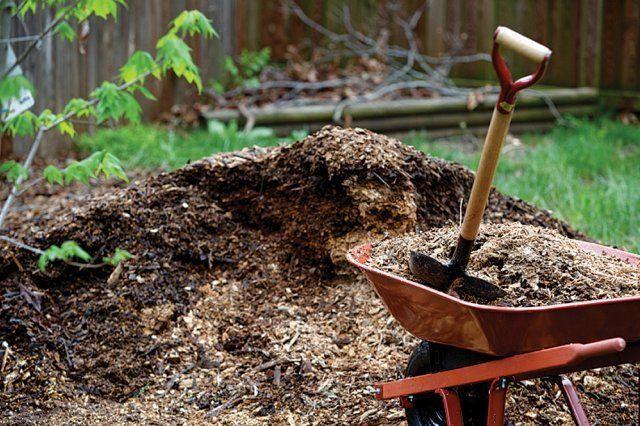
After planting, cover the soil with peat, straw, or mown grass. Mulch prevents rapid evaporation of water from the tree trunk. Furthermore, covered soil prevents weeds from growing, blocking sunlight and depriving young trees of nutrients.
Protection from diseases and pests
It is easier to prevent the occurrence of diseases and pests by performing the following actions:
- in the fall, leaves and other plant debris are removed from the tree trunk circle;
- cut off frozen, dry, diseased branches;
- the main trunk and side shoots of the tree are whitewashed;
- Insecto-fungicides are used.

To avoid harming yourself and the environment, only approved chemicals are used.
Methods of reproduction
Lancaster walnut can be propagated on a plot using seeds or grafting.
Seeds
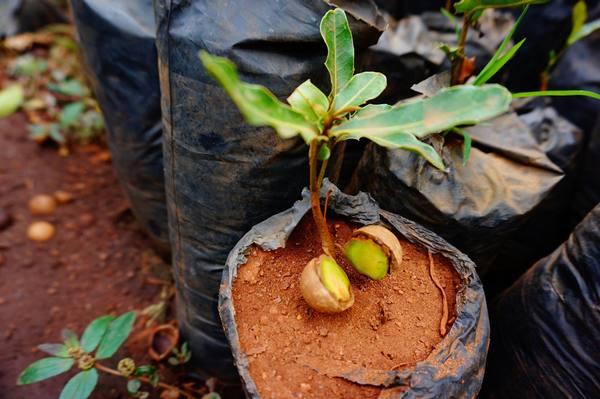
This is the most common method of propagating the crop among gardeners. The seed must first undergo stratification. To do this, the fruit is placed in a container with sand for the winter and placed in the refrigerator.
In the spring, it is planted directly in a permanent location: this way it will grow faster, since it will not need adaptation after transplantation.
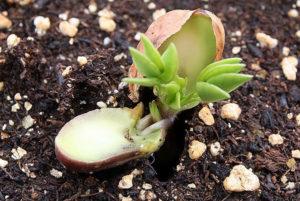
The fallen fruit can be left on the ground, dug a small trench for it, and covered with substrate. Over the winter, the nut will undergo natural stratification and germinate in the spring. When the young trees have 2-3 true leaves, they are dug up and transferred to a prepared location.
Take a look Also

By vaccination
Three-year-old trees with a trunk diameter of 1.5 mm are selected as rootstocks. The scion is made from current-year shoots taken from a mature, fruiting Lancaster walnut tree. It's best to entrust the grafting procedure to professionals.
Important! When performing vaccinations, use disinfected sharp instruments..
Harvesting and storage
The fruits are easy to pick because they fall to the ground when ripe. After harvesting, they are sorted, removing any rotten ones. The nuts are thoroughly dried, spread out in a single layer on newspaper or paper. Store the fruits in a dry, dark place. They can be placed in canvas bags and hung to protect the harvest from rodents.
Tips from experienced gardeners
Long-time Lancaster walnut growers offer the following advice:
- You need to dig a hole a few days before planting the nut so that it has time to settle a little.
- When planting a tree, immediately insert a stake into the hole. A staked tree will prevent the tree from breaking in a gust of wind, and the trunk will grow straight.
- Water the plants only when planting. Subsequently, if rain falls, there is no need to moisten the soil.
- Remove the lower branches: they bear little fruit, but take a lot of energy to develop.
- In spring, spray the trees with insecticides and fungicides: this will prevent the possible appearance of diseases and pests.
The Lancaster walnut is still an exotic plant in gardens, and quite wrongly so. It's much more undemanding than the walnut, and its fruit is no less beneficial.
Related posts:
 How to plant walnuts, care for them, and grow them at home
 Timing and methods for grafting walnuts at home in summer
 Description of the Ideal walnut variety, cultivation and care
 Description and characteristics of the 35 best walnut varieties, planting and care
 Walnut diseases and pests, why walnuts don't bear fruit, and treatment methods
 The benefits and harms of walnuts for the body, contraindications
 How to grow peanuts in a country house in the middle zone: the intricacies of planting and care
 Description and characteristics of the 30 best hazelnut varieties, cultivation