- Description and characteristics of the nut
- Peculiarities of cultivation in the region
- Recommended varieties
- Early Trebizondian
- Cosford
- Warsaw Red
- Almond-shaped
- Barcelona
- Roman
- Halle
- How to plant correctly
- Recommendations for choosing deadlines
- Selection and preparation of planting material
- Requirements for the location
- Site and soil preparation
- Planting diagram
- Care instructions
- Loosening and weeding
- Mulching
- Watering
- After flowering
- In May
- In June
- In July
- After the leaves fall
- Top dressing
- Formation
- Diseases and pests
- Rust
- Longhorn beetle
- Nut weevil
- Powdery mildew
- Alder leaf beetle
- Hazelnut barbel
- White rot
- Kidney mite
- Reproduction
- Layering
- Children
- By vaccination
- Dividing the bush
- Harvesting and storage
- Tips from experienced gardeners
Hazelnuts, or filberts, belong to the Betulaceae family. Their distinctive feature is the male inflorescences, which resemble birch catkins. The plant prefers a temperate climate, but there are varieties suitable for planting even in harsh Siberia. Caring for and planting hazelnuts in Siberia is not difficult if you follow proper agricultural practices.
Description and characteristics of the nut
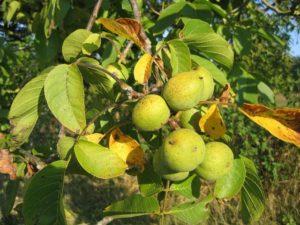
Hazelnuts are tall, perennial shrubs with a spreading crown. Hazelnuts average 5-7 meters in height. Their crowns are typically oval or ovoid. The leaves are small, rounded, and serrated along the edges. The foliage is light green or emerald. The inflorescences are unisexual and monoecious.
Male flowers begin to form in the fall and bloom closer to spring.
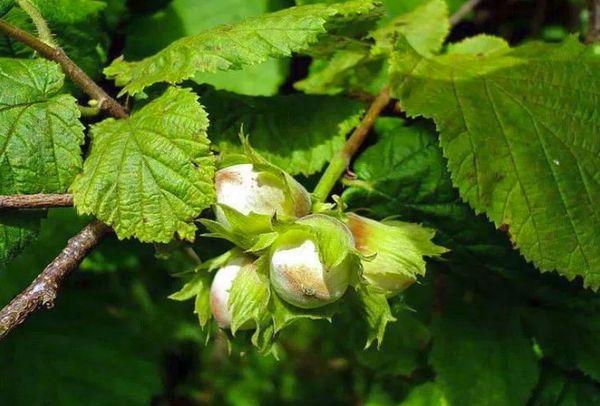
The hazelnut fruit is a small nut, weighing on average 2.5–3.4 g. The shell is golden in color and dense, though some varieties have a thinner shell. The nut is covered with a brown film, occupying most of the space within the shell.
Peculiarities of cultivation in the region
Growing hazelnuts In the Siberian climate, growing can be problematic, so it's important to look for frost-resistant varieties for planting. Siberia has a harsh climate, with short summers and very cold winters. Hazelnuts are characterized by their flowers beginning to bloom early in the spring and not forming until winter. This can be a problem, as the harsh climate can cause the flowers to freeze. To prevent freezing, it is necessary to think about covering the plant in advance.
Recommended varieties
For planting in Siberia, select only frost-resistant varieties. All other hybrids are unsuitable for planting in this region.
Early Trebizondian
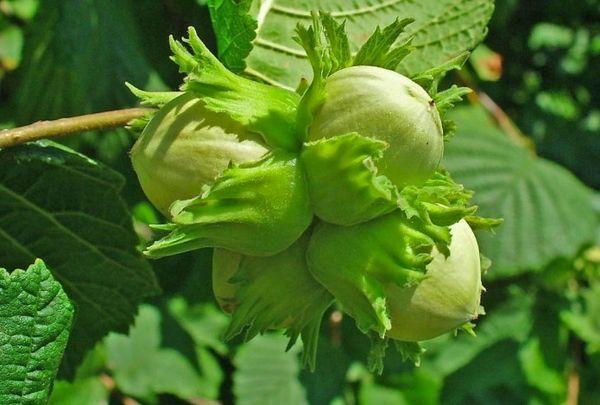
The harvest is mid-early, with ripe nuts harvested in early July. The nuts are large, oval, and have a golden shell. The tip is slightly pointed. The nuts are easy to peel.
Cosford
The harvest ripens mid-early, with the first ripe nuts appearing on the hazelnut trees by the second ten days of August. Among its advantages, it boasts good immunity to most diseases.
Warsaw Red
An unusual ornamental shrub with red foliage, it's often planted as a landscaping feature. Its crown is spherical, with spreading branches. The nuts, when fully ripe, are large and very tasty.
Almond-shaped
This variety has a unique nutty flavor, reminiscent of almonds, hence its name. The shell is thin and cracks easily. Its advantages include a stable yield.
Barcelona
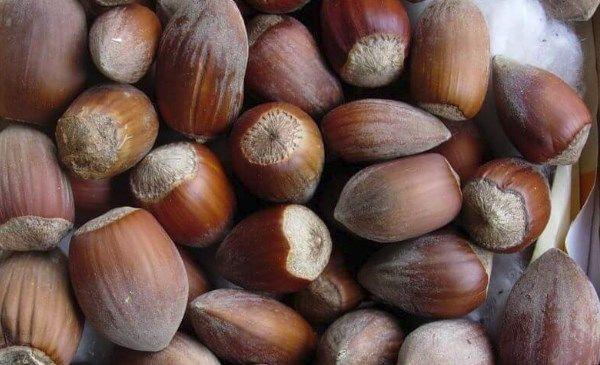
The crown is densely foliated and spreading. The nuts are large, slightly flattened on the sides. The shell is thin and cracks easily. The nuts are large and very tasty.
Roman
The main advantage of this hybrid is its large fruits. It's also worth noting that the shrub is resistant to diseases.
Halle
The plants have dense foliage and a spreading crown. Ripening is late, with the first ripe nuts appearing only in late September.
How to plant correctly
The speed and success of a seedling's establishment in open ground depends on proper planting. Generally, planting a hazelnut seedling is not much different from planting other shrubs.
Recommendations for choosing deadlines
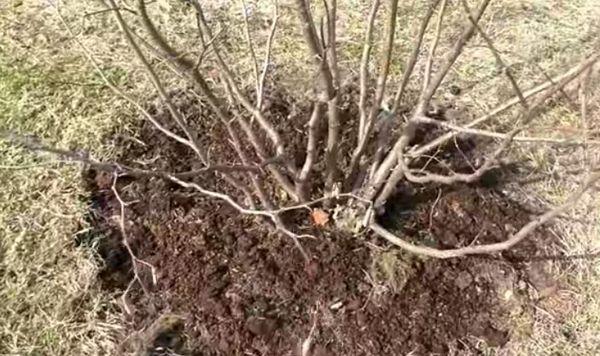
Hazelnut seedlings can be planted twice a year—in spring and fall. Spring planting should be done before the sap begins to flow. The weather should be warm outside, and the threat of night frosts should have passed.
But the best time to plant a seedling is autumn. The seedling will have time to take root over the winter and will begin growing vigorously in the spring. The key is to cover the root system before the cold weather sets in. The optimal time for planting hazelnuts in winter is 15-20 days before the onset of frost.
Selection and preparation of planting material
Healthy hazelnut seedlings with no signs of damage are suitable for planting. The root system should be well developed and free of kinks, dry spots, and damage. The roots should be elastic and do not break when bent. The same applies to the twigs. The seedling should be free of foliage.
Before planting, you can prepare the hazel sapling. Dip the root system in a liquid clay solution for 20 minutes. Immediately afterward, plant the sapling in the soil before the clay begins to dry out.
Requirements for the location
Hazelnuts prefer to grow in open, sunny areas. You can plant the seedling in partial shade, but the key is to ensure it receives full sun for most of the day. It's also important to choose locations protected from drafts. It's best to plant the seedling near west- or south-facing walls of houses.
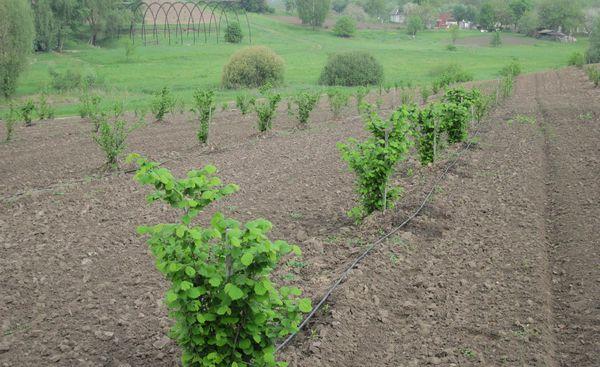
Hazelnut soil should be light, well-drained, and fertile. Neutral or slightly acidic soil is best.
Site and soil preparation
The soil for planting the seedling is prepared four weeks before the planned planting. The soil is dug over, and all weeds are pulled out. Then, a complex mineral fertilizer is mixed into the soil. Weeds will appear in the area four weeks before planting, and they should be weeded immediately.
Planting diagram
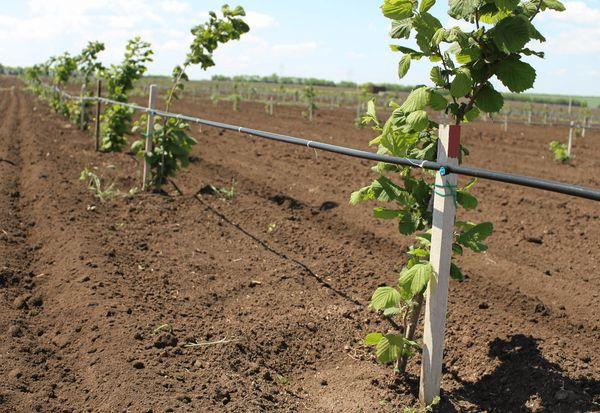
Before planting, check the seedlings to ensure they are free of foliage and damage. If several bushes are planned, leave a distance of 4-5 meters between them. The same applies if other bushes or trees are already growing nearby.
Planting process:
- Dig a hole 80 cm wide and 80 cm deep.
- Add fine drainage material to the bottom.
- Then place the seedling in the hole.
- Drive a wooden stake into the center.
- Fill the hole with soil and compact it around the trunk.
Finish planting by generously watering the newly planted seedling.
Care instructions
If you don't forget to care for your hazelnuts, you can achieve a good yield within 3-4 years after planting.
Loosening and weeding
Weed the soil several times a week. It's best to do this before watering. This is necessary to allow oxygen to penetrate the soil and nourish the root system. Weeds are pulled out during weeding.
Closer to autumn, you can weed the soil to a depth of 20 cm to prevent insects from appearing next spring.
Mulching
When growing in Siberia, mulching the soil is essential. This will not only prevent weeds and dry soil, but also protect the root system from frost. Peat, sawdust, and humus are all good options. Special agrofibre can also be used. The key is to apply at least 15 cm of mulch.
Watering
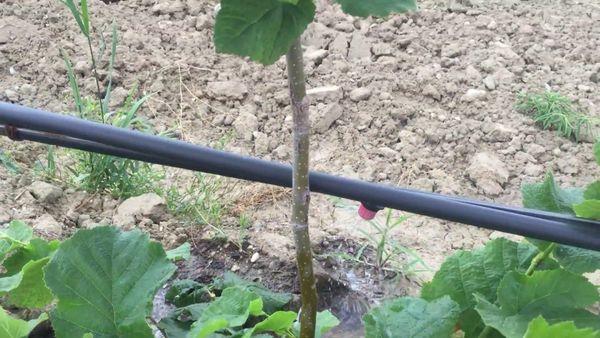
Hazel prefers moderate watering. Water heated by the sun is used for irrigation. The first watering is carried out 7 days after the buds have swollen.
After flowering
After flowering, hazel needs a lot of water because during this period the ovaries are formed.
In May
In May, the plant is watered 2-3 times a week. 50 liters of water is sufficient for one bush.
In June
In June, the amount of irrigation remains at the same level as in May.
In July
In July, the number of waterings is reduced to 2 times a week.
After the leaves fall
After the leaves fall, water the hazelnut tree as needed. If it rains frequently, watering can be stopped.
Top dressing
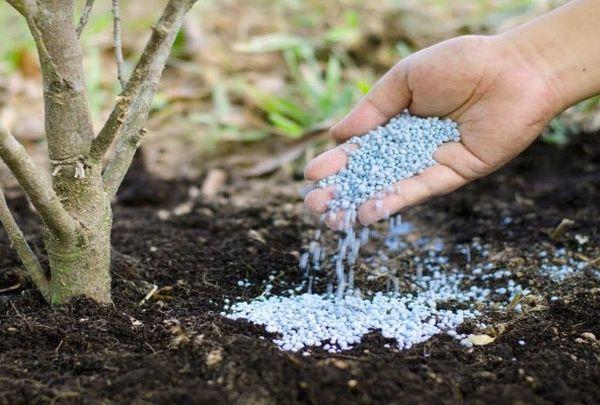
During the first half of the season, hazelnuts require nitrogen-containing fertilizers. These are applied again in June, when the ovaries begin to form. As autumn approaches, phosphorus and potassium are added to the soil. Every 2-3 years, a generous amount of well-rotted manure or compost is added to the soil.
Formation
Pruning is done immediately after planting the seedling. Six to seven large buds are left on the bush. Branches are cut back to just 15 to 20 cm above the ground. Then, some weak branches in the center of the bush are removed. In the fall, the hazel's central bud is pruned.
Diseases and pests
When growing hazelnuts, one often has to deal with the appearance of pests or diseases.
Rust
Before and during flowering, hazelnuts are treated with copper-containing preparations. Before the sap begins to flow, affected areas of bark are peeled back to healthy wood, and then the cut areas are treated.
Longhorn beetle
After harvesting, the soil is dug to a depth of 15-20 cm to expose the larvae to the soil surface, followed by sanitary pruning. In early spring, the hazel trees are sprayed with Karbofos or a Bordeaux mixture solution.
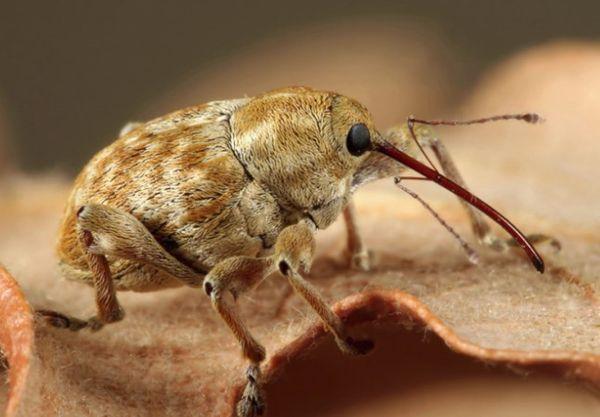
Nut weevil
In the second ten days of April to the first half of May, hazelnuts are treated with the intestinal poison "Fuzalon." In early spring and late fall, the soil is dug to a depth of 15 cm, all leaves are raked away, and dry branches are destroyed.
Powdery mildew
In early spring, before the sap begins to flow, hazel trees are sprayed with copper sulfate or Bordeaux mixture. When symptoms of disease appear, use products such as Thiovit Jet, Skor, and Raek. Shrubs are sprayed with chemicals in courses.
Alder leaf beetle
In April and May, hazel trees are sprayed with chemicals such as Karbofos or Rogor. In the second ten days of June, the soil around the tree trunk should be dug over.
Hazelnut barbel
Dry branches are cut off and destroyed along with fallen leaves. In early May, hazelnuts are sprayed with "Karbofos" or "Bi-58."
White rot
Damaged shoots are pruned back to healthy wood, and the cut areas are treated with chalk flour. The hazel tree is then sprayed with fungicides. For effectiveness, the fungicides are changed each season. If most of the bush is affected, it cannot be saved.
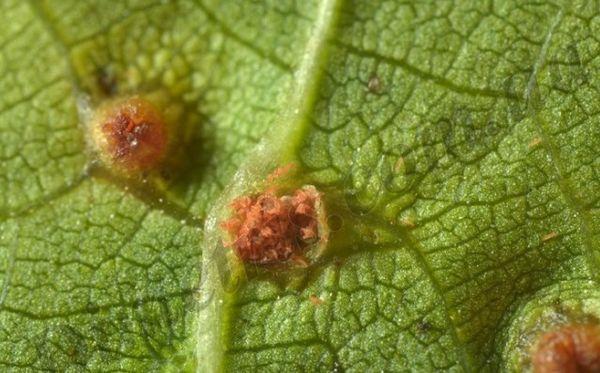
Kidney mite
In the fall, deep dig the soil. You can also shake the beetles onto a sheet laid near the tree and then burn it. Shaking is done in June.
Reproduction
There are four methods for propagating hazelnuts. Each method has its own characteristics.
Layering
One of the easiest ways to propagate hazelnuts is by layering. To do this, select a strong branch growing close to the soil in the fall. Dig a shallow trench next to it. Place the branch in the trench, then cover it with soil and secure it in place. By the following fall, the root system will have formed, and the layering can be separated from the mother plant and replanted separately.
Children
Young shoots growing near an adult plant can also be used for propagation. For replanting, select shoots growing slightly away from the mother plant. The shoots are dug up and replanted. It's best to choose shoots with a well-developed root system.
By vaccination
The most difficult method of propagation is grafting.
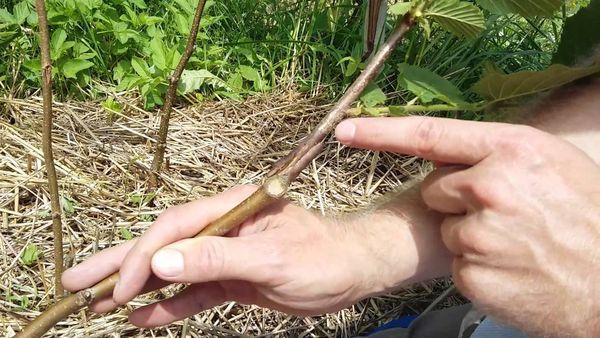
The process of propagation of hazel by grafting:
- First, the cuttings are cut, each should have 4 buds.
- The lower part of the cutting is cut at an angle of 45 degrees, the upper part is left straight.
- The top of the rootstock is cut at an angle of 45 degrees and the tongue is cut out.
- The cutting is inserted into the rootstock and secured with an elastic band.
- Open areas are coated with garden pitch.
When the cutting takes root on the rootstock, the tape is removed.
Dividing the bush
For this propagation method, mature, overgrown hazel bushes are selected. The bush is dug up and cut into several pieces. Each piece is then replanted separately.
Harvesting and storage
The nut harvest can begin in early August (depending on the variety). The nuts can be picked after they begin to fall, or plucked directly from the tree.
After harvesting, the harvest is sorted. Damaged and unhealthy nuts are discarded, and the rest are laid out in a single layer on burlap. Store the nuts in a cool, dark, well-ventilated area.
Tips from experienced gardeners
Tips for growing common hazel in Siberia:
- About 60 liters are used for irrigation, so the bush needs to be watered in parts so that water does not stagnate in the trunk circle.
- To ensure fruiting, female flowers must be pollinated, so several trees with male inflorescences are planted nearby; these can even be different varieties.
- To ensure that the yield is always stable, young shoots are dug up regularly.
- Once a year the bush is thinned out, young weak branches and damaged stems are cut off.
By following all the rules of agricultural technology, you will be able to grow a healthy hazel bush that will delight you with a bountiful harvest every year.
Related posts:
 Planting and caring for common hazel in the Moscow region, description of the best varieties
 Reasons why hazelnuts don't bear fruit in the garden and how to fix the problem
 Rules for planting and caring for red-leaved hazel, description of the best varieties
 Description and characteristics of the 30 best hazelnut varieties, cultivation
 Growing and caring for hazelnuts in open ground, rules for planting hazelnuts
 How to plant grapes step by step, with a description of the process and care
 Is it possible to grow an apricot tree from a seed in your garden? How to plant and care for it?
 Carrot care guidelines for outdoor cultivation to ensure a good harvest