
Often, when recalling a particular season, people experience the tastes and smells of that period, experiencing corresponding emotions. Summer alone reminds us of itself not only subconsciously but also visibly. Besides the sunshine, opportunities to visit the river, the sea, vacations, and trips, it's renowned for stockpiling food for the long, cold days. At the beginning of the season, when the first berries begin to ripen, housewives try to prepare five-minute strawberry jam for the winter.
Features of making strawberry jam
For chefs, this is one of the moments of honing their skills.
The forest always gives more than you expect. Its gifts hold warmth and kindness, the gentleness of the sun, the lightness of the breeze. Strawberries are no exception. A vast array of vitamins and minerals, a heady aroma, a unique flavor—everything you get from a fresh berry is something you want to preserve when making jam.
This is possible if you follow a few rules:
- the berries should remain whole;
- heat treatment cannot be long-term;
- The jars need to be filled while the dish is hot.
Each household fairy has her own secret key to the art of enforcing these laws. However, there are many common threads in creating masterpieces from the first wild berries.
Selection of products
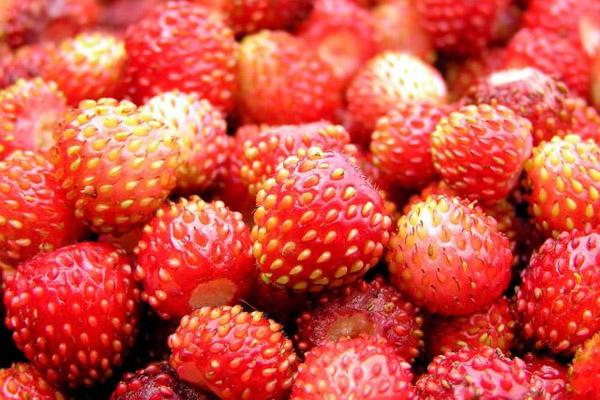
People often call wild and field berries "wild strawberries," and garden berries "wild strawberries." However, since ancient times, it was believed that the fruits of wild strawberries, or, as they are now called, wild strawberries, grow closer to the ground. They are oblong, sweet, but small. They grow hidden in the grass, out of sight of the lazy eye. They are more often domesticated, grown in gardens, where, under the sun and the watchful eye of their owners, they blossom and grow to a size noticeable from afar.

The delicate texture is easily altered by pressure, impact, or exposure to water. Therefore, it's best to pick the berries in sunny, dry weather, carefully removing them from the bushes. Wild strawberries are easily separated from their sepals. They have a more vibrant vitamin melody. However, during storage, they can develop a certain bitterness, as if regretting their native forest and freedom.
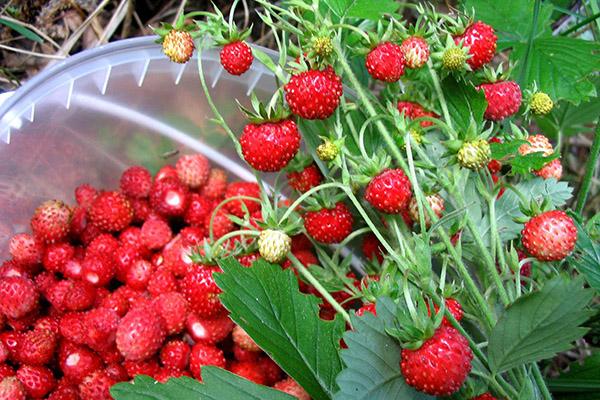
Large, round, ball-like strawberries appear on tall bushes. They form circles in meadows and lawns. They beckon, entice, and draw you into the distance. But you can only pick them from the bush with their green mantle.
When picking wild berries, don't lose your head chasing them along roads and highways. A lot of dust and harmful compounds can be brought in along with the bright, beautiful fruit.
Garden strawberries absorb all the care and attention. Large and beautiful, they're easy to pick. They're firmer than their wild and meadow relatives, less delicate. They don't bruise when placed next to other berries and easily withstand being washed under water.
How to make strawberry jam "Five Minutes"
There are many ways to make jam from the first fruits of summer. Vitamins and minerals are best preserved with minimal or no heat treatment. In this case, the berries remain as aromatic and delicious as when picked.
Some people like it sweet, others prefer a tart flavor. So, a single recipe develops into a multitude of modifications and versions: the principle is the same, but the details vary.
Traditionally the composition includes:
- strawberries;
- granulated sugar.
However, other berries, nuts, citric acid or lemon juice, paprika, and mint can be added.
Preparing berries
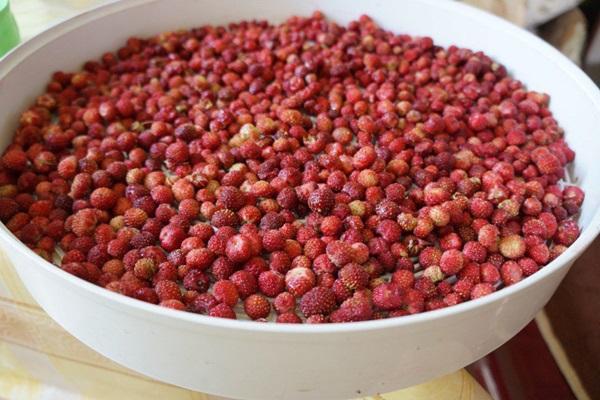
First, you need to carefully sort through the forest gifts, remove any fallen leaves, blades of grass, pine needles, separate the sepals, perhaps lightly cutting them with a knife.
For "Five Minutes," try to remove overripe, rotten, and greenish berries. These can be eaten separately. Combined, they can create a bitter taste.
Next, some housewives rinse the strawberries, carefully placing them in a colander and gently lowering them into the water. However, most home cooks prefer not to beat the berries further or add any extra water, but to combine them with sugar straight away.
Mixing with sugar
Try not to stir the strawberry jam.
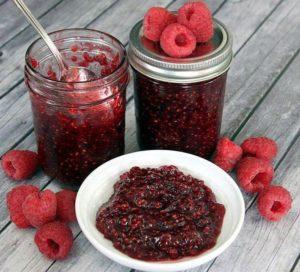
Most often they are sprinkled with sugar and left until the juice is extracted.
Those with a sweet tooth prefer the following proportions:
- one glass of berries per one glass of sugar;
- one measure of strawberries to two measures of sand;
- one kilogram of berries per three kilograms of granulated sugar.
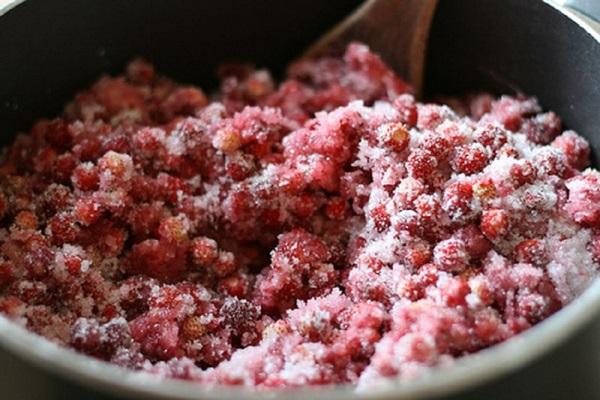
Those who prefer a sour taste, on the contrary, reduce the amount of sugar by two to three times compared to the amount of berries used.
Every homemaker has their own measurements. Tastes vary, too. In all cases, the jam turns out aromatic, light, and pleasant.
The strawberries should release enough juice to cover the fruit. If you can't get enough juice, prepare a syrup first and carefully dip the berries into it.
The cooking process
Cook over medium or low heat. Bring to a boil. Carefully skim off any foam that appears with a wooden spoon. This is a special treat. It can be eaten as soon as it cools slightly.
After boiling, cook for about five minutes, then set the container aside.
After some time (from three to 24 hours) the process is repeated.
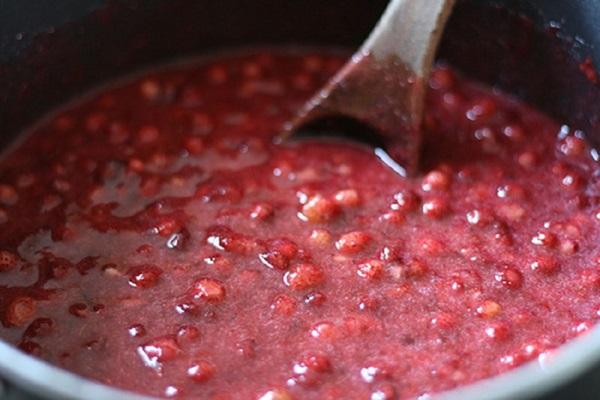
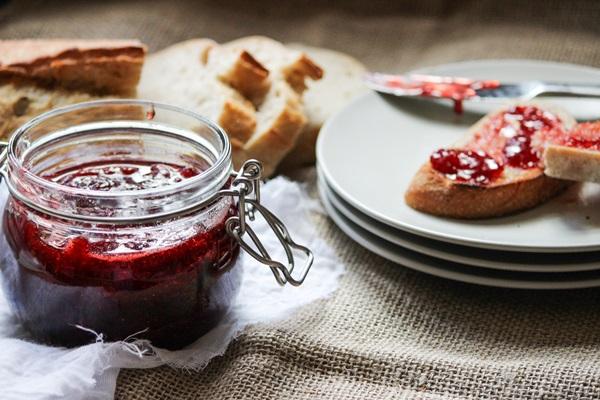
After the third five minutes, place the mixture into previously washed and sterilized half-liter and liter jars and close with lids.
Sometimes the cooking stage is repeated twice.
To check the quality of the seal, the jars are usually turned upside down. If there are no leaks, everything is fine. Otherwise, it's best to try again.
Storage
The finished jars are wrapped in blankets until they cool down, so that the temperature decreases slowly and gradually.
Then store it in a cool place, for example, in a basement or cellar.
The jars, closed with nylon lids, are placed in the refrigerator after cooling.
Related posts:
 Description of 36 of the best sweet and large varieties of gooseberries
 Beginner's Guide to Growing Grapes in Open Ground in Central Russia
 Simple step-by-step recipes for making lingonberry jam for the winter
 Which tomato varieties are best for open ground?
 When and how to properly pick gooseberries with your own hands to avoid getting pricked
 Description of 30 grape varieties for Siberia, planting and care for beginners
 Description of 30 varieties and types of Muscat grapes, planting, cultivation and care
 Blueberry recipes for the winter, including freezing or blending with sugar to preserve all the vitamins
Take a look Also
