
- The history of selection and the main advantages of the Soneyka variety
- Cultivation regions
- Description and characteristics of the fruit crop
- Basic parameters of the tree
- Lifespan
- Fruiting
- Flowering and pollinators
- Ripening time, yield and harvesting of cherry plum
- Tasting evaluation of the fruit and further implementation
- Resistance to low temperatures and drought
- Susceptibility to diseases and parasites
- How to plant Soneyka cherry plum in your garden
- Recommended timeframes
- Choosing the optimal location
- Preparing the hole and seedling
- Planting technology
- What crops can and cannot be planted next to cherry plums?
- Further care
- Watering mode
- How to feed a tree
- Trimming
- Care and loosening of the tree trunk circle
- Preparing for the winter period
- Seasonal treatments
- Gardeners' reviews of the Soneyka variety
Soneyka (Solnyshko) is a promising mid-season hybrid cherry plum variety bred in Belarus. Despite its youth and foreign origin, this variety has already been noticed and appreciated by gardeners throughout the central region of Russia. Soneyka produces large, delicious fruits, tolerates frost well, is high-yielding, and is immune to many stone fruit diseases.
The history of selection and the main advantages of the Soneyka variety
The variety was bred by the Belarusian Institute of Fruit Growing and submitted for variety testing in 2009. Origin: cherry plum Mara x a mixture of pollen from diploid plums.
From its "parents," Soneika received an improved set of positive qualities: unpretentiousness, early reproductive readiness, winter- and drought-resistance, dessert-flavored fruits that are practically not damaged by fruit rot, and high yield.
Cultivation regions
This variety is ideal for growing in the Central region of Russia.
Description and characteristics of the fruit crop
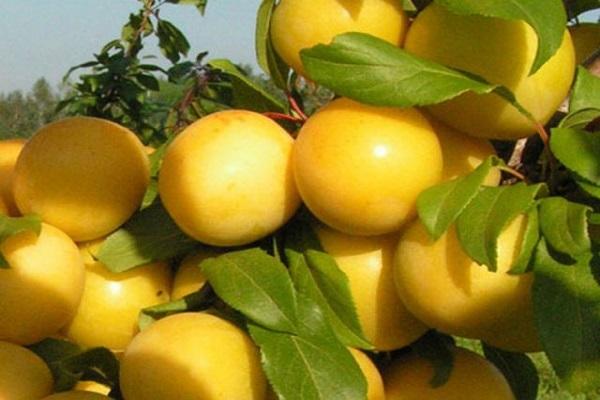
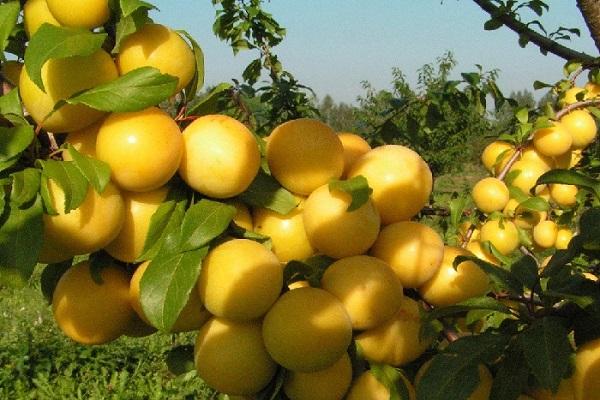
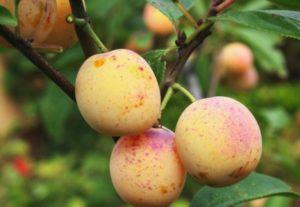
This cherry plum variety is relatively easy to grow and undemanding of soil conditions. The tree is medium-sized, easy to care for, and rarely affected by pests. It is quite winter-hardy, disease-resistant, and productive. The fruits are large, yellow with a slight pink blush, sweet and sour, and do not fall off when ripe.
Disadvantages: the need for cross-pollination, thin branches that need to be supported during the fruiting period, non-free pit.
Basic parameters of the tree
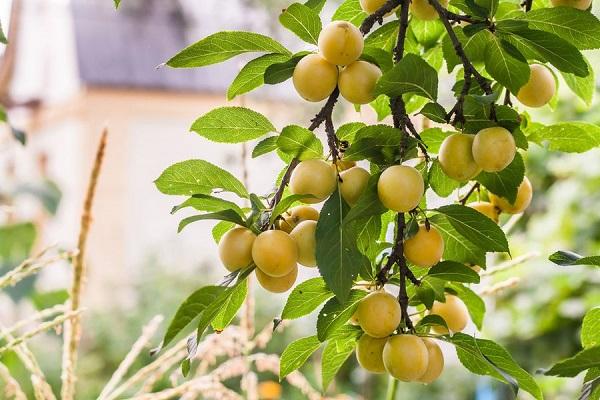
The tree is short (2.5-3 m), with a spherical, slightly flattened crown of medium density. The leaves are pointed, oval, and dark green, and the flowers are white.
Lifespan
The lifespan declared by the originator of this variety is 30 years.
Fruiting
Soneika is an early-bearing variety; the first individual fruits appear in the 2nd year after planting, and fruiting is abundant in the 3rd year.
The fruiting function is carried out by the bouquet branches and the previous year's growth. The fruits are large (up to 50 g), sweet and sour, with a dense skin, making them resistant to damage by birds and insects and resistant to rot.
Flowering and pollinators
Blooms profusely in early May. This variety requires cross-pollination. Pollinators: Altayskaya Yubileynaya, Alenushka.
Ripening time, yield and harvesting of cherry plum
The harvest season begins in mid- to late August. Fruit ripens uniformly. Yields 40 kg per tree. Fruit does not fall off the tree, ripens well, does not crack, and is easy to transport. Storage life is 10-12 days.
Tasting evaluation of the fruit and further implementation
A dessert variety with a tasting score of 4.5 points. The fruits can be eaten fresh, dried, or canned.
Resistance to low temperatures and drought
The Soneyka cherry plum is a drought-resistant, winter-hardy crop, capable of surviving temperatures down to -30°C without loss. Only recurrent frosts during bud formation can harm it.
Susceptibility to diseases and parasites
As a result of selection, a variety was obtained that is practically immune to fungal diseases.
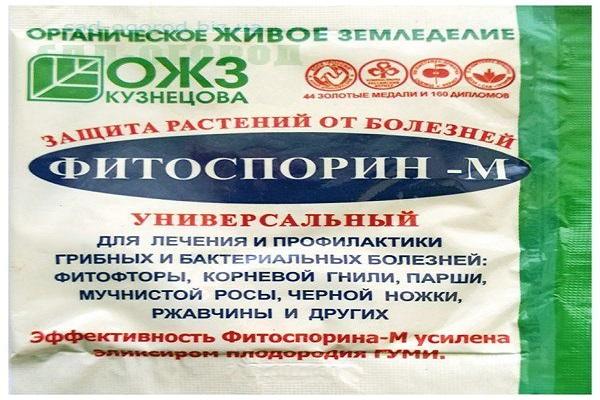
Pest damage is minimal, but aphids and seed beetles can pose a threat. As a preventative measure, trees are sprayed (before the leaves appear) with Fitoverm and Fitosporin-M.
How to plant Soneyka cherry plum in your garden
The quality of the planting material determines not only the survival rate of plants after planting, but also the subsequent condition of the tree, its growth rate, resistance to diseases and pests, and ultimately its productivity.
Seedlings of the first (best) category must have:
- healthy, undamaged roots without growths, swellings, or wounds;
- the color of the cut roots is only white, the length is about 35 cm;
- the trunk is smooth, without grooves, bole height 0. -0.6 m, diameter 1.5 cm;
- the seedling is 2 years old.
Recommended timeframes
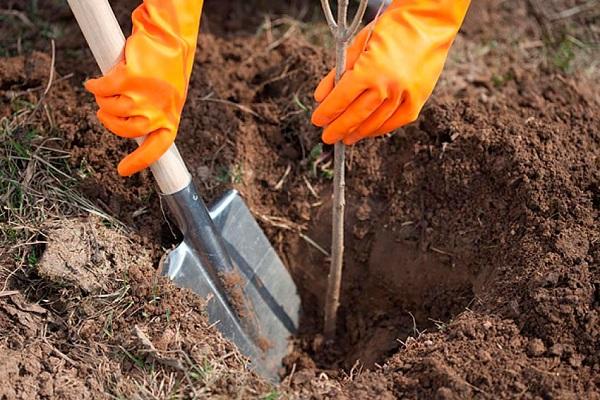
Cherry plums can be planted in both spring and fall. In spring, planting occurs in the second half of April and no later than early May; in fall, planting occurs until mid-October.
If spring planting is delayed, seedlings take root poorly and require more care and additional watering..
Choosing the optimal location
Cherry plum, like plum, is a sun-loving plant and does not grow or bear fruit well in shade. Therefore, it is best to plant it in an open, elevated area. It is undemanding of soil conditions and grows even in eroded, gravelly, gray forest, and low-fertility sandy and sandy loam soils (with adequate watering).
One of the most salt-tolerant fruit crops.
It will easily survive in areas with a high groundwater level (up to 1.2-1.5 m).
Preparing the hole and seedling
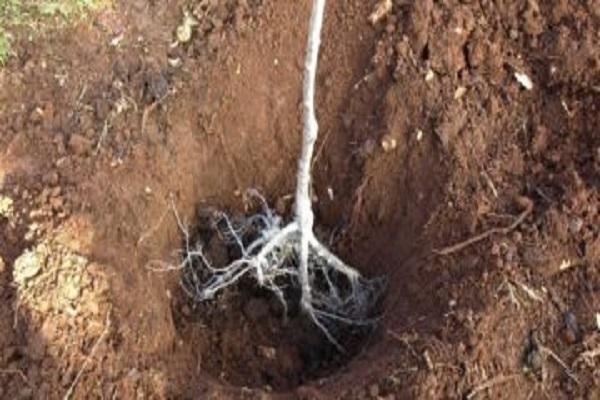
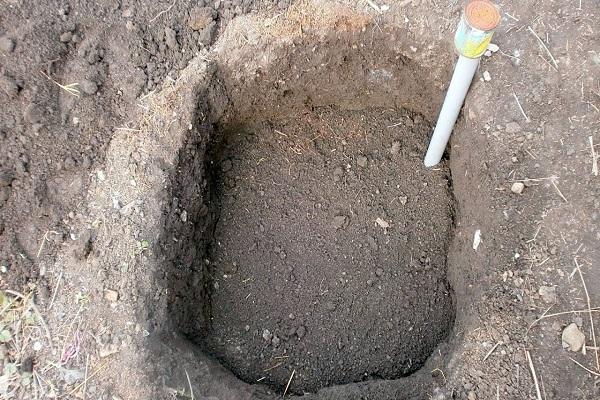
Optimal dimensions of the planting hole: depth 0.6 m, width 0.9-1 m.
Fertilizers (rotted manure, compost) mixed with soil are placed at the bottom of the hole, and a stake is driven in to support the seedling.
Before planting, trim only the damaged root ends (to the healthy part) and soak them in a manure-clay slurry. If you add a solution of the growth agent "Heteroauxin" to the slurry, the tree will root without problems.
All work with seedlings is carried out at a temperature of 0 WITH.
Planting technology
How to plant a seedling:
- at the bottom of the planting hole, form a mound of topsoil mixed with fertilizer;
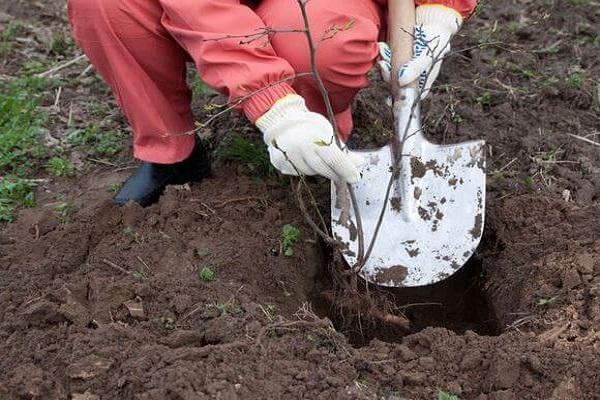
- the tree is placed on a mound next to a stake, the roots are straightened out and the roots are covered with loose top soil;
- when the roots are completely covered with soil, compact the soil with your feet;
- After planting, the seedling is tied to a stake, after which the stake is cut to the lower lateral knot of the tree;
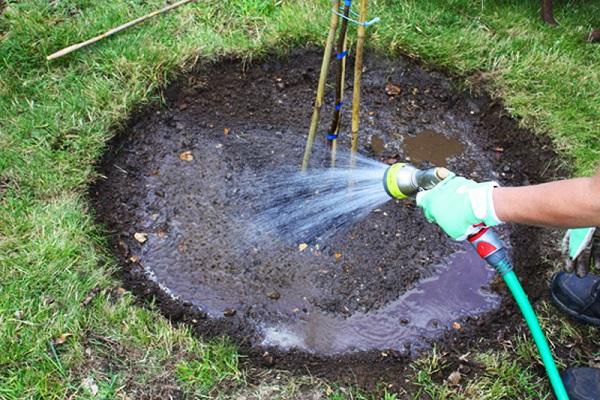
- A hole is made around the tree, 2 buckets of water are poured into it and the soil is mulched.
What crops can and cannot be planted next to cherry plums?
Cherry plum is oppressed by apple, pear and tomato trees growing nearby, but proximity to any stone fruits will only benefit it.
Further care
Growing the Soneyka cherry plum is not much different from growing other fruit crops. In the first few years after planting, it's important to properly shape the tree's crown, water it regularly, loosen the soil, and remove weeds from the area around the tree trunk.
Watering mode
Young trees need to be watered frequently in the first year after planting: 4–5 times per season at a rate of 2 buckets per tree.
Mature fruit-bearing trees are watered 2-3 times per season. The final watering (in dry autumns) is done in mid-October.
How to feed a tree
Cherry plums are particularly responsive to organic fertilizers. During the first year, the tree doesn't require additional feeding, provided fertilizer has been added to the planting hole. Subsequently, the feeding schedule is as follows: organic fertilizer for two years, and a complete mineral fertilizer in the third year.
Fertilizer doses are calculated per m2 tree trunk circle: organic 3–5 kg, mineral 5–7 kg.
Trimming
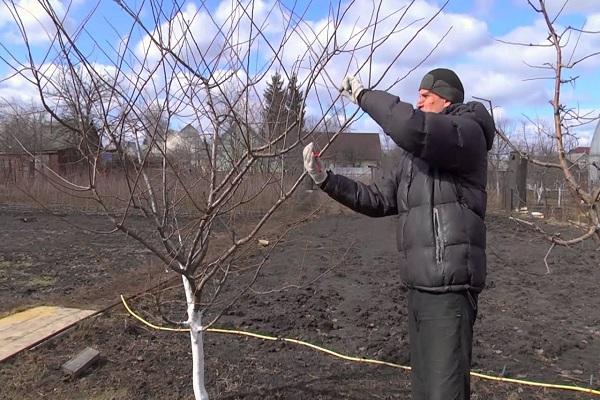
Pruning cherry plums mainly involves thinning—removing diseased, broken, dry, and unnecessary branches that thicken the crown, and shortening long annual shoots.
When a tree's yield noticeably declines with age, or its progressive growth slows or shortens, rejuvenation pruning is used. This involves shortening the ends of skeletal and semi-skeletal branches to 3- to 4-year-old wood.
Care and loosening of the tree trunk circle
The soil is loosened in spring, summer and autumn, as well as after watering and rain, application of fertilizers, and before mulching.
Take a look Also
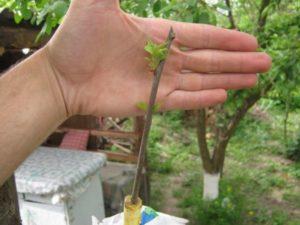
Keeping the tree trunk circle free of weeds ensures maximum moisture retention in the soil.
Preparing for the winter period
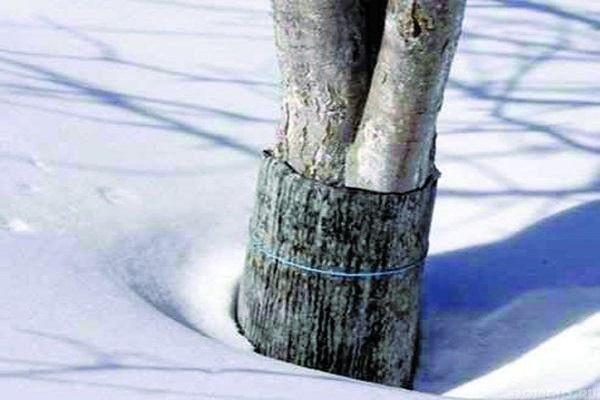
At the end of leaf fall, trees are sprayed with Bordeaux mixture to protect against bacterial necrosis. Moisture-replenishing irrigation is performed. Mature trees are whitewashed, and young trees are wrapped in light-colored fabric (such as spunbond or burlap). The crowns are thinned. Fertilizer is added to the tree trunks during tillage.
Seasonal treatments
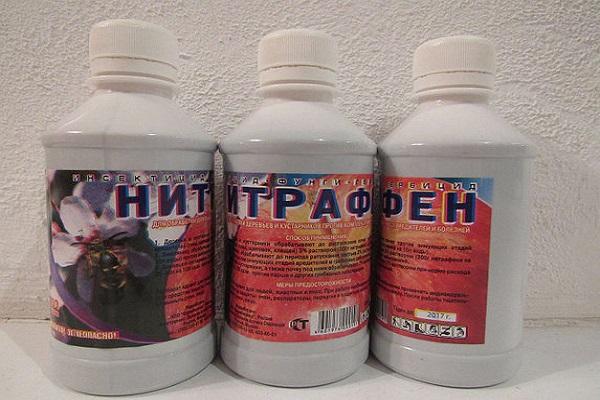
Before bud swelling (April), spray with 3% Nitrafen against wintering pests.
Before flowering (beginning of May) spray with 1% Bordeaux mixture (0.5% "Zineb") and "Fufanon", "Intavir" against monilial burn, aphids and leaf-eating pests.
Three weeks after flowering, repeat the treatment with 1% Bordeaux mixture (0.5% "Kaptan", 0.5% "Zineb").
After harvesting (August), spray the trees with Fitoverm and Lipedocide against the slimy sawfly.
Gardeners' reviews of the Soneyka variety
Daniil, Moscow Region: "I've been growing Soneyka since 2011, and I'm very happy with it. It survives the winter well and doesn't get sick. The fruit is delicious and doesn't crack at all. It doesn't fall off the tree; it waits until you pick it. It's very productive; two trees are enough to feed the whole family and provide compotes."
Tatyana, 47, Ogaryovo: "I recently became interested in cherry plums; I previously thought they wouldn't survive here. On the advice of friends, I bought a Soneyka seedling. To my surprise, it survived the winter well and quickly started growing in the spring. Now, five years later, it's my favorite tree, always producing fruit and never having any problems."
Igor, Kubinka village: "I grafted a 'Soneika' tree onto a 'Gek' cherry plum. Three years later, a nice, slightly dense crown formed, and the first fruits appeared. I was very pleased with their taste; they were sweet, juicy, and quite large. Now I plan to plant a couple of seedlings."
Related posts:
 80 Best Eggplant Varieties for Different Regions with Descriptions and Characteristics
 The best grape varieties for growing in the Urals, planting and care rules in summer
 Description and characteristics of the 60 best sea buckthorn varieties, how to choose depending on the region
 Description and cultivation of the 15 best cherry plum varieties for the Moscow region, planting and care rules
 50 Best Pumpkin Varieties with Descriptions and Characteristics for Outdoor Planting
 Descriptions of the 20 best cherry varieties for the Moscow region, their planting and care
 Beginner's Guide to Growing Grapes in Open Ground in Central Russia
 Description and characteristics of the 40 best blackberry varieties, yield indicators