
Each tomato variety has its own growing characteristics. However, traditional methods for growing this crop have recently become outdated. More progressive gardeners have begun planting tomatoes for the especially lazy. This technique promises decent yields with minimal labor. However, for the experiment to be successful, it is necessary to strictly follow the sequence of all the steps.
Advantages and disadvantages of the "lazy" method
The lazy man's method of growing tomatoes is gaining increasing popularity among gardeners. Many have already noticed its advantages firsthand:
- low labor and time costs;
- there is no need for frequent irrigation and fertilization;
- rational use of soil to obtain maximum yield;
- environmental safety.
There are no significant disadvantages to the lazy method of growing tomatoes, but success greatly depends on the correct choice of variety and weather conditions.
Suitable tomato varieties
Not all tomato varieties are suitable for lazy growing. The main requirement is that they must be tall. The best tomatoes and their brief characteristics are given in the table.
| Name of the variety | Description |
| Northern beauty | A mid-season variety with pear-shaped fruits weighing up to 120 g. It is highly resistant to temperature fluctuations, low temperatures, and drought. |
| Mithridates F1 | A mid-early tomato. Bright red tomatoes weigh up to 150 g. The plant is characterized by increased immunity to viral and infectious pathogens and tolerates temperature fluctuations well. |
| Dobrun | An early tomato characterized by increased resistance to pathogens of major diseases. The fruits are slightly flattened and red in color with a pleasant taste. |
| Pharaoh F1 | A mid-early tomato variety characterized by increased resistance to common diseases and high yields. Each square meter yields up to 25 kg of tomatoes with excellent marketability and flavor. |
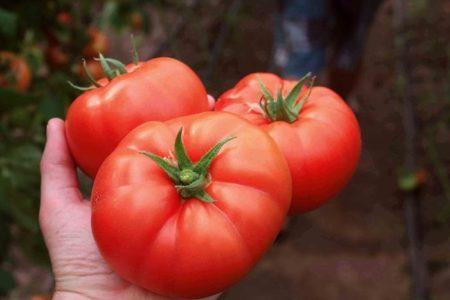
For each region, you can individually select other suitable tomato varieties with mid- or early ripening periods and a tall bush.
Growing methods
There are several ways to grow tomatoes without unnecessary hassle and yield a decent harvest of delicious, high-quality fruit. Gardeners just need to choose the one that works best for them.
Take a look Also

Seeds
This method reduces not only labor but also time for gardeners. Seedlings sown directly into the garden bed grow better adapted to the sun, their root system is better developed, and their resistance to diseases is stronger. Furthermore, these tomatoes are less susceptible to adverse environmental factors.
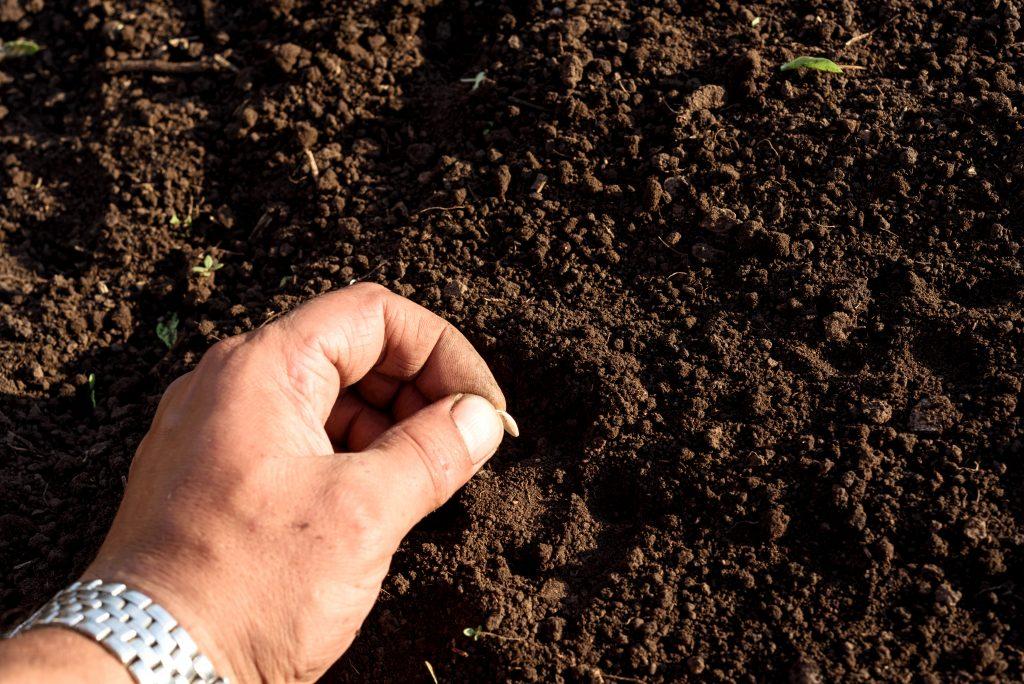
The tomato planting site is prepared immediately after the snow melts. Wood ash mixed with superphosphate is scattered over the beds. The soil is loosened with a hoe or a flat-top cultivator. Polyethylene is stretched over pre-installed arches.
Tomatoes should be sown three weeks after the greenhouse is covered. Treat the seeds with a growth stimulant and then spread them out in a 3 x 15 cm pattern on the bed, planting them slightly deeper and covering them with soil.
Once the seedlings emerge, the nursery should be ventilated in sunny weather and opened in cloudy weather. The covering is finally removed only after the threat of night spring frosts has passed. The seedlings are thinned out so that a distance of 30 x 30 cm is maintained between them. Subsequently, the tomatoes will require watering, weeding, and loosening of the bed.
A shelter with a manure cushion made in the fall
A mini-greenhouse built in the fall with a manure bed will save time in the spring. The idea is that all preparatory work is done after the summer season ends. In the spring, all that remains is to sow the tomatoes and monitor their development. Planting holes are dug 0.5 x 0.7 m, with a distance of 1.5 m between them. A 10-cm layer of dried grass remains is placed at the bottom, then covered with soil (about 15 cm) and manure (up to 30 cm), then soil again (up to 10 cm). After this, the arches are installed and the polyethylene is stretched.
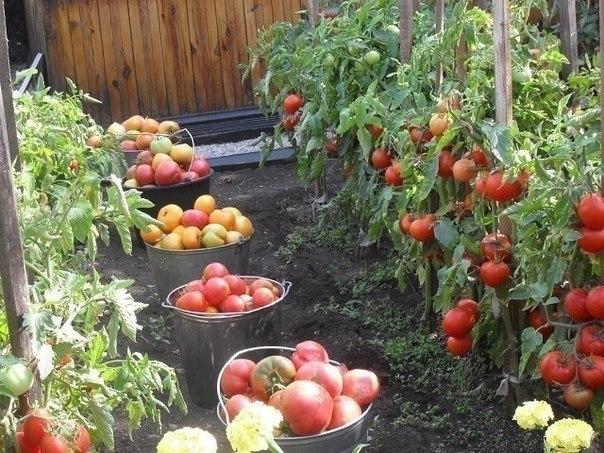
Tomato seeds are sown on a manure bed in mid- to late March. They are pre-treated with a growth stimulant. The seeds are spread on the soil surface and pressed in slightly, then covered with soil. After the seedlings emerge, the greenhouse should be regularly ventilated. The cover is removed completely once the threat of frost has passed.
Removal of stepsons
This method eliminates the need to grow large numbers of seedlings. You can grow almost an entire bed of tomatoes from just one plant, eliminating the effort of digging and preparing holes, as well as additional care for young tomatoes. Both regular tomatoes and hybrid varieties are suitable for propagation.
Take a look Also

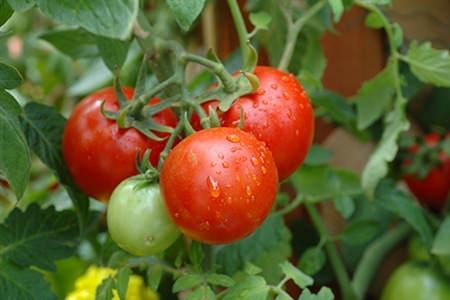
Fertilizers are spread over a 2.5 x 2.5 m area. For this, use:
- superphosphate;
- potassium;
- saltpeter;
- copper sulfate;
- wood ash.
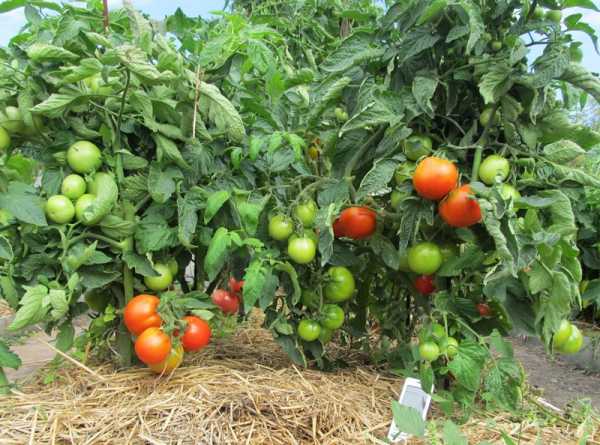
Next, loosen the soil thoroughly with a hoe or a flat-top hoe. Make a hole in the center of the bed and plant a tomato seedling in it. Drive a stake nearby and immediately tie the plant to it. As soon as side shoots begin to grow, prepare pieces of wire, bend the shoots to the ground, and secure them securely with metal thread. Water the tomato plants generously until the baby roots begin to form. After rooting, these shoots actively grow foliage and form new side shoots. These are rooted in a similar manner until the entire bed is filled.
Growing tomatoes in a barrel
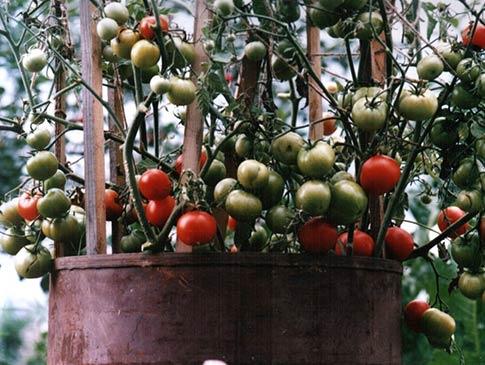
If gardeners are looking for something that's been tried and tested for years and leaves no doubt, this method is just what they need. Tomatoes don't require staking or fertilizing. Hanging bunches of ripe tomatoes will not only be a delicious addition to the menu but also a beautiful addition to the yard.
An old, leaky container or wooden box is suitable for growing tomatoes. Place a layer of crushed stone or broken brick on the bottom. Then, alternate layers of soil and any organic matter (hay, straw, or dried garden grass are used). Once the barrel is full, plant two tomato plants in it and water them thoroughly. As the soil settles, add more to the container, mixing it with the organic waste. Remember to monitor the moisture level. These seedlings don't require fertilizer or support; the tomato branches simply hang down.
How to care for tomatoes
Tomatoes grown the lazy way still require some care. While it's easier and less time-consuming, gardeners will still have to do some work.
How often to water
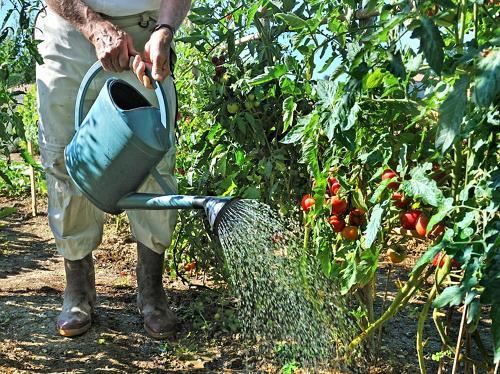
Tomatoes require infrequent, but abundant, watering. The frequency is determined by the plants' appearance. As soon as they begin to lack moisture, the foliage immediately turns dark and wilts. Frequent irrigation with small portions has a negative impact on the growth and development of tomatoesExperienced gardeners recommend watering the bushes 1-2 times a week, ensuring the top layer of soil is dry. During heavy rainfall, reduce the frequency of watering.
Necessary feeding
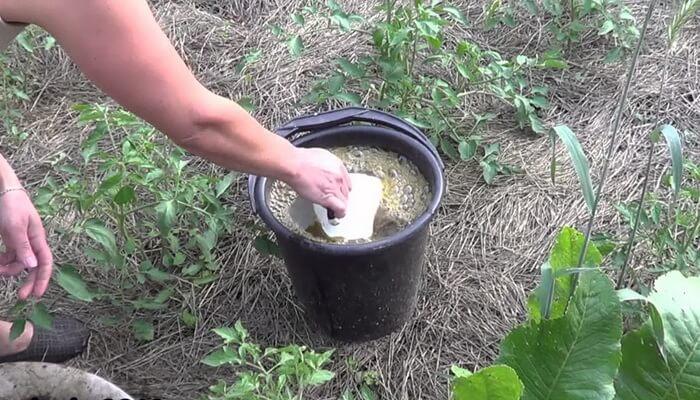
Tomatoes grown lazily can be fed without any additional fertilizer, using only organic matter added at planting. However, to ensure a bountiful harvest with excellent flavor, fertilization is recommended.
In spring, tomatoes experience a nitrogen deficiency. This promotes the growth of green foliage. Potassium and phosphorus fertilizers are applied a little later. These fertilizers are effective until the end of the growing season. Healthy gardeners can use a solution of fresh mullein, which contains all the vital components for plants.
Formation of bushes
The method of side shoot pruning is rarely used when growing tomatoes lazily. However, pinching the main stem is effective. This is done a month before the tomatoes finish fruiting. You can pinch off the side shoots after they have formed ovaries. To do this, remove the top cluster of the branch, leaving three full leaves on it.
Gardeners practice removing the lower leaves of tomato plants during cultivation. Every two weeks, they pick 1-2 lower leaves located under the outermost fruit cluster.
Ripening and harvesting times
The harvest time for tomatoes grown using the lazy method depends solely on the variety chosen. Typically, the estimated ripening time is indicated on the seed packaging. Considering that early and mid-season tomatoes are used for this method, they will be ready to harvest 85-120 days after germination or rooting of the cuttings.
Related posts:
 What is the best way to feed tomato seedlings to make them plump?
 The best eggplant varieties for growing in a polycarbonate greenhouse: planting and care
 What fertilizers and when to use for feeding tomatoes in a greenhouse
 The best and most productive tomato varieties for greenhouse cultivation in the Urals, with descriptions
 What is the best way to mulch tomatoes in open ground and greenhouses?
 How to prepare tomato seeds for planting seedlings
 What varieties of tomatoes are best to plant in a polycarbonate greenhouse?
 How to propagate and grow peas, cultivation technology, and care in open ground
I'm certainly no experienced gardener, but I realized that this method basically means you don't have to fiddle with the seedlings. Or did I misunderstand? After all, to get good results, even the laziest of us need to put in some work. :)