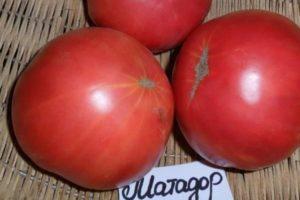
The Juliet f1 tomato is distinguished not only by its beautiful name but also by its excellent taste. The fruits are sweet with a hint of tartness. The flesh is juicy and sugary. Farmers truly appreciate it for its long shelf life. At the same time, the tomatoes retain their nutritional properties and aromatic flavor. This is precisely why they are grown commercially.
What is a Juliet tomato?
Characteristics and description of the variety:
- The tomato is a hybrid variety.
- The plant ripens early and belongs to the determinate species.
- The bushes can be grown both in open ground and in a greenhouse.
- Greenhouse fruits ripen much earlier than garden fruits.
- The growing season lasts 3 months.
- The plant is unpretentious, so even novice gardeners can plant it early.
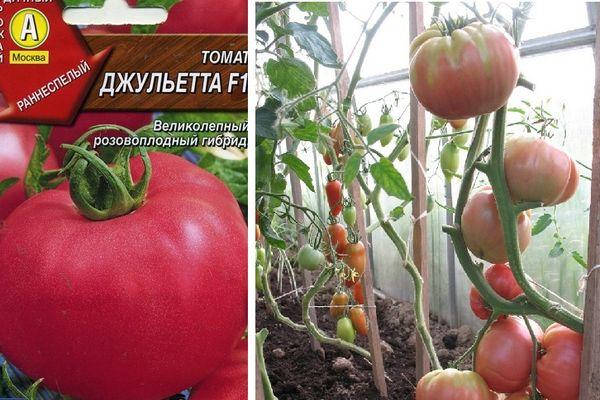
This variety is high-yielding and prolific. A ripe tomato can reach a maximum weight of 150 g. The tomatoes are pink in color and round in shape. Their thick skin prevents cracking. These tomatoes can be used in a variety of ways, being suitable for both fresh and canned consumption.
How to grow tomatoes
The best time to start planting seeds is late March. Considering that it takes almost two months to grow seedlings, they can be safely planted in the ground as soon as the weather becomes consistently warm. Cold is detrimental to heat-loving tomatoes.
Remember that before planting seeds, everything, including the soil, water, and storage area, must be warm. The soil must be fertile; it's best to buy a ready-made substrate.
If you're using store-bought seeds, check to see if they've been treated. If not, it's best to soak them in a light solution of potassium permanganate as a preventative measure. This will protect the plant from potential diseases.
Plant the seeds 1-2 cm deep, lightly covering them with soil. To create greenhouse conditions, cover the container with plastic wrap and maintain a temperature of 25°C. Gardeners have a secret for strengthening the root system: after the first shoots appear, add a little soil to ensure moderate growth and allow the roots to establish.

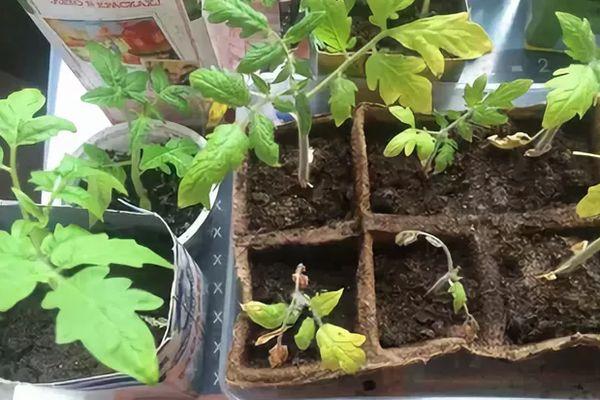
Once the seedlings have grown a little and have two or three leaves, they should be pricked out and transplanted into individual pots. The quality and quantity of the future harvest largely depends on the seedlings, so they need to be cared for carefully.
To ensure the plant thrives, it needs sufficient light. Note that it doesn't like direct sunlight. Water the Juliet tomato sparingly, but it's important to maintain soil moisture. Don't allow it to dry out, otherwise the leaves will curl and die.
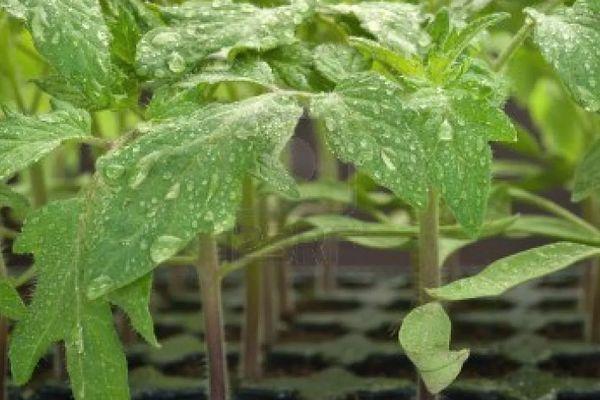
As for fertilizing, don't overdo it, as it spoils the taste of the tomatoes. The best option is to feed them with a special mineral complex every two weeks.
Two weeks before transplanting, the seedlings need to acclimate to outdoor conditions. To do this, harden them off by exposing them to fresh air daily, starting with just a few minutes and gradually increasing the time.
Seedlings can be planted in a greenhouse at the end of May, and in open ground in early June, when the soil begins to warm up. The soil should be loose and properly fertilized. If you grow various garden crops annually, remember that tomatoes will not grow in the same place where potatoes, peppers, turnips, eggplants, or tomatoes were grown the previous season. The soil is depleted of nutrients, after which it becomes poor. And tomatoes grow only in fertile soil.
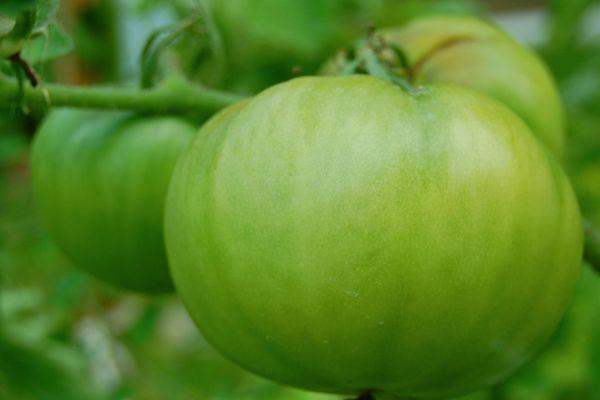
Plant care consists of the following:
- installing supports and tying up bushes;
- moderate watering;
- timely fertilization;
- hilling and loosening the soil;
- weed removal;
- soil mulching;
- timely pinching out of side shoots;
- tearing off excess foliage.
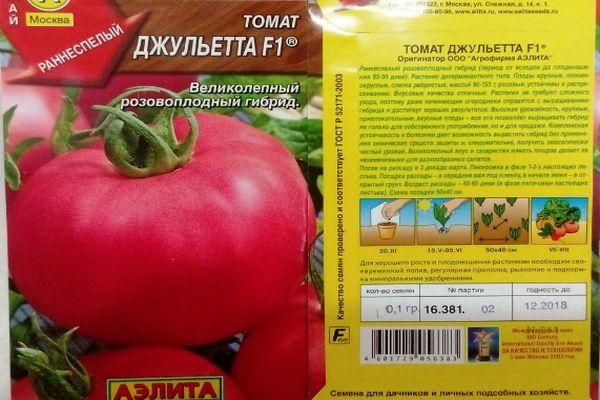
Reviews of this variety are mostly positive. Seeds from the manufacturer "Aelita" also receive good reviews. Their seeds are almost always fresh and high-quality. Before planting, carefully study the classic tomato planting pattern, as this crop is grown using the standard method for all tomatoes.
Related posts:
 Planting and caring for cherries, feeding and growing rules
 Is it possible to grow an apricot tree from a seed in your garden? How to plant and care for it?
 Description and characteristics of the Syrah grape variety, where it grows
 How to properly grow a peach tree from a seed at home, planting and care
 The best eggplant varieties for growing in a polycarbonate greenhouse: planting and care
 How to control carrot flies with medications and folk remedies
 Description of varieties of sowing peas and cultivation, to which family they belong
 How to grow grapes in the Moscow region in open ground without a greenhouse