
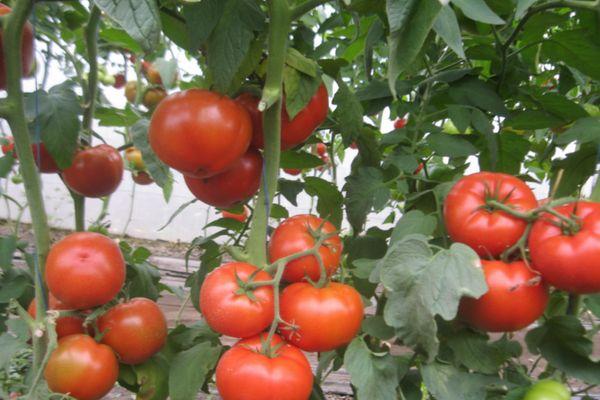
The new Fenda F1 tomato variety has earned positive reviews from gardeners who have grown it. The Fenda variety grows indefinitely, yielding a large harvest. With proper care, up to 25 kg of tomatoes can be harvested per square meter. It grows best in greenhouses in temperate climates or in garden beds in southern regions. The plant grows tall, requiring support. The Fenda F1 tomato is suitable for all-purpose use. It can be eaten fresh, juiced, made into sauces, or canned in pieces.
What is a Fenda tomato?
Characteristics and description of the variety:
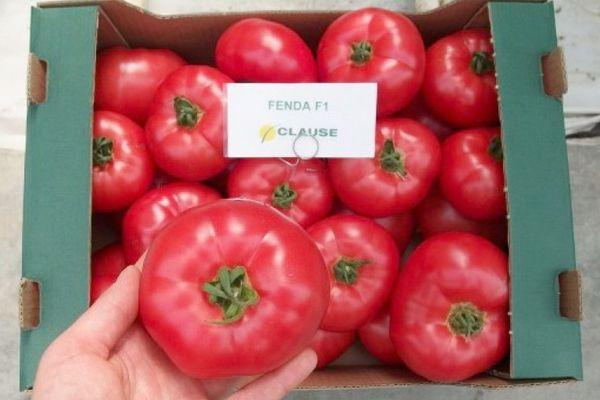
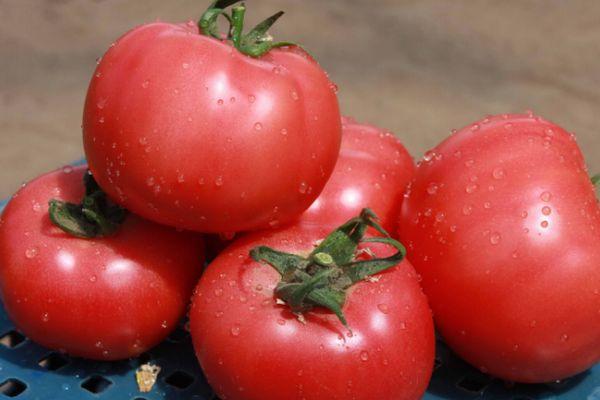
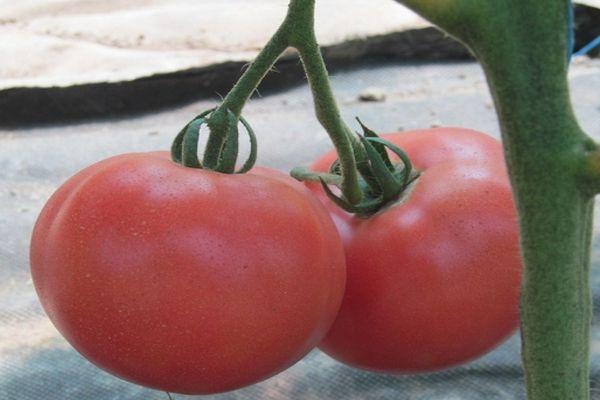
- The shape of the tomato is round and flattened.
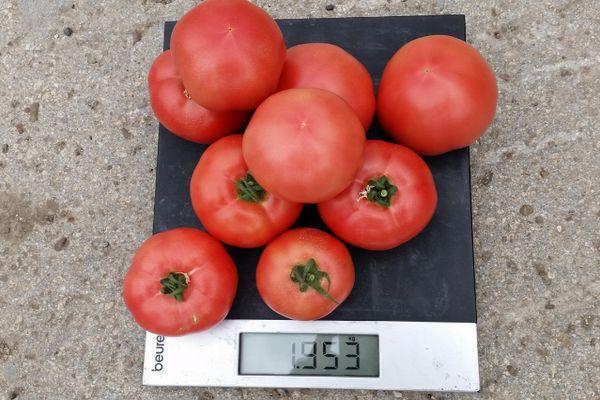
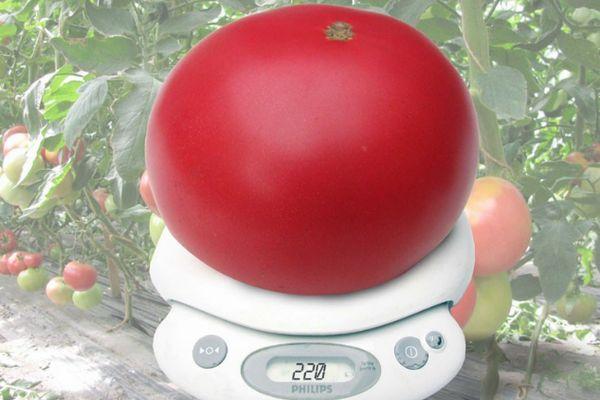
- Dense pink fruits reach a weight of 200-350 g, and in some cases 1 tomato can weigh up to 500 g. It seems incredible, but according to gardeners' reviews, you can find fruits weighing 600 g.
- All gardeners who have tried this variety agree on one thing: Fenda tomatoes are truly large and very tasty.
- Fenda F1 tomatoes have an excellent tomato flavor, standing out among other pink varieties for their sweetness and sugar content.
- There are at least 6 seed chambers inside a tomato.
- When growing the Fenda variety, you don't have to worry about the fruits cracking or becoming caked.
How are tomatoes grown?
The cultivation technology for this variety is based on the tomato seedling method. To ensure the variety lives up to expectations, it's best to purchase seeds only from reputable sellers, carefully read the packaging description, and grow the seedlings yourself.
Before sowing, it's recommended to inspect the seeds, removing any that are too small or damaged. Selecting the right seeds is easy: add salt to the water, drop the seeds in, discard any that float, and plant those that remain at the bottom. Good seeds should be thoroughly rinsed and soaked for 15 minutes in a weak solution of potassium permanganate.
Sowing should be done in early March, after the daylight hours have lengthened. Maintaining the correct temperature is crucial: immediately after sowing, 21–23°C, then lower it to 19°C. Lowering the temperature will help prevent the seedlings from stretching. This variety usually emerges evenly. Transplant the seedlings into pots or cups after the first two leaves emerge.
Take a look Also
It is best to use melted or rainwater for watering, but you can get by with the following composition: 2 tablespoons of hydrogen peroxide per 1 liter of ordinary water.
Let's look at the specifics of tomato cultivation. A 50x40 cm planting pattern should be followed, ensuring 3-4 plants per square meter. Greenhouse cultivation is preferred.
Once the plants are in the ground, they should be thoroughly watered and covered with a 10 cm layer of mulch. Leave them there for 8-10 days. If the mulching recommendations are followed correctly, the tomatoes may not require watering.
The first brushes are usually formed after the 9th true leaf, and subsequently brushes appear after every third one.
Initially, water every 4-5 days, then increase the frequency once flowering begins. It's important to avoid getting water on the leaves; water closer to the roots. Mornings are recommended.
Due to the height of the bush and its constant growth, it is necessary to tie the plant up. When growing tomatoes in a garden bed, it's best to use stakes or a trellis for this purpose.
It's best to train the bush into a single stem, carefully removing side shoots. To prevent new shoots from growing in the same places, it's important to leave the stumps. Failure to remove the side shoots can damage the plant's trunk and fruit clusters.
 Since the Fenda variety is characterized by good yield, it requires a large amount of nutrients, which means that fertilizers must be applied to the soil more frequently, observing the dosage. Foliar feeding is ideal for Fenda F1 tomatoes.
This variety requires the following for proper growth:
- Nitrogen for greener foliage and faster growth. If the dosage is exceeded, the plant will release excess nitrogen into the foliage.
- Phosphorus is essential for better ripening. A deficiency of this element will cause tomatoes to stop blooming.
- Potassium is essential for enhanced root growth and the transport of nutrient-rich water through the stems. This element synthesizes vitamin C, brightens the color of tomatoes, and helps preserve their flavor.

It's important to maintain a balance when fertilizing, ensuring that potassium outweighs nitrogen. Using only one of these fertilizers won't do; depriving the plants of the necessary nutrients will immediately impact their growth. The Fenda F1 tomato has good resistance to many diseases.
Fully ripened tomatoes appear quite early. You can enjoy the first tomatoes in just 60-110 days. Tall bushes grow for over a year in warm greenhouses or tropical climates, producing up to 50 clusters. The plant can grow up to 2 meters. Externally, these bushes are distinguished from other tomatoes by their long, straight, and thick stems with large leaves.
Tomatoes withstand long-distance transportation well, maintaining their glossy shine, flavor, and appearance. The firmness and dense structure of the fruit contribute to this. The main advantage of the Fenda F1 variety is its large, tasty tomatoes, and given the right conditions, fresh tomatoes can be harvested year-round.
Related posts:
 Carrot care guidelines for outdoor cultivation to ensure a good harvest
 The best grape varieties for growing in the Urals, planting and care rules in summer
 How to propagate and grow peas, cultivation technology, and care in open ground
 The best eggplant varieties for growing in a polycarbonate greenhouse: planting and care
 How to properly plant peas in a greenhouse and open ground
 The best recipes for freezing vegetables at home for the winter
 Description of varieties of sowing peas and cultivation, to which family they belong
 Causes and treatment of eggplant pests and diseases, how to combat them at home