
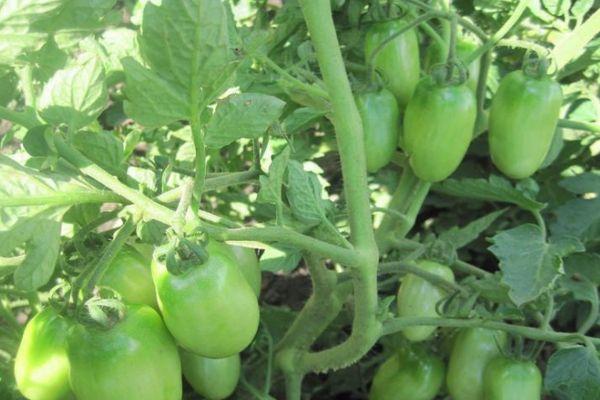
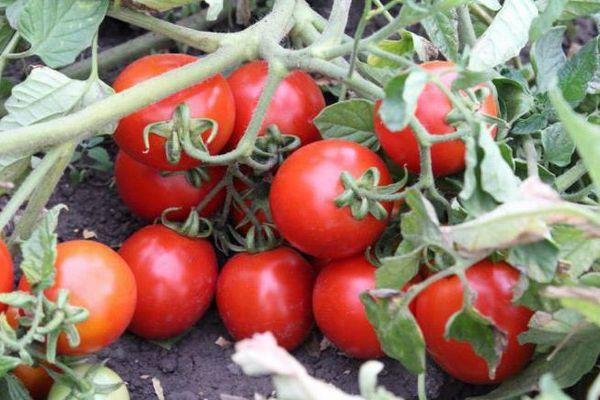
Among the various tomato varieties, there's the Zemlyak tomato, whose characteristics and description indicate high productivity when grown in open beds. The plum-shaped fruits are bright red, distinguished by their flavor and versatility in cooking.
Benefits of Tomatoes
The Zemlyak tomato variety was bred by Siberian agrobiologists. It is distinguished by its frost resistance and strong immunity to fungal and viral diseases of nightshade crops (macrosporium, septoria, black spot, and rot).
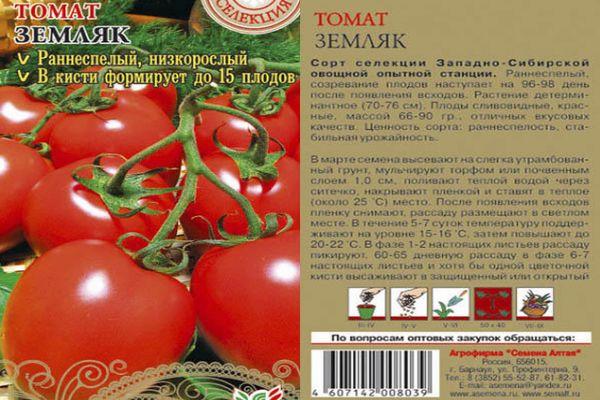
Reviews from those who have planted the Zemlyak tomato variety indicate that it can be grown outdoors and ripens early. The first fruits can be harvested 95 days after sprouting.
This variety is not a hybrid, so the seeds can be used for growing in subsequent seasons. During the growing season, a bush grows to a height of 60-70 cm. This determinate plant, with a moderate amount of foliage, requires no shaping, shoot removal, or tying to a support.
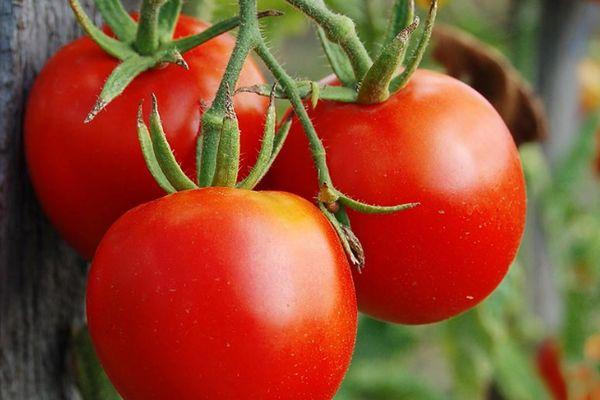
This variety is characterized by the formation of simple inflorescences. Zemlyak tomatoes are characterized by an elongated shape, reminiscent of a plum. The fruits are small, weighing 50-80 g, and ripen in clusters of up to 15. Tomato yields reach 4 kg per bush, up to 18 kg per square meter.
These tomatoes have a meaty, juicy pulp, firm skin, and a sweet flavor, containing 4.6 g of dry matter. They are used fresh in cooking, for making paste, tomato juice, and whole-fruit preserves. They retain their shape when cooked.
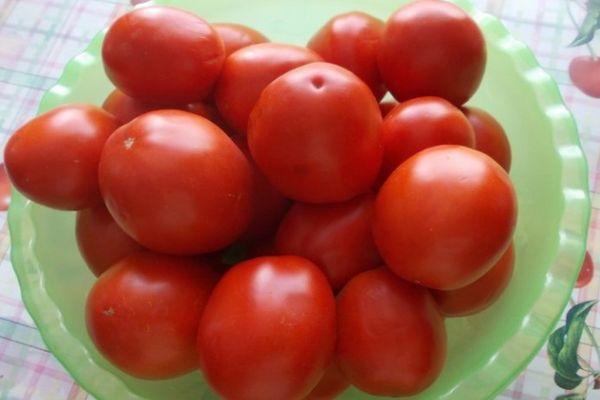
Zemlyak tomatoes, described as highly productive, are used for commercial cultivation. High yields are observed when grown in protected conditions. The fruits withstand long-distance transportation well.
Agricultural technology for tomato cultivation
Gardeners' tips for growing crops include information on the advantages of the seedling method. Seeds for seedlings are sown in March. To do this, prepare the soil mixture, disinfect it with an aqueous solution of potassium permanganate, and then plant it in containers.

The soil is lightly compacted, mulched with peat, and furrows are made 1 cm deep at intervals. Seeds treated with an aloe vera juice solution and a growth stimulant are planted in these furrows.
After watering with warm water, cover the container with glass or film until the sprouts emerge. For normal seedling development, provide adequate light and an optimal air temperature of 25°C.
Within 5-7 days after emergence, the temperature is lowered to 15…16°C, then increased to 20…22°C. When the seedlings have developed two true leaves, they are transplanted into individual containers.
This procedure allows for the selection of weak plants and stimulates root development. Some vegetable growers recommend trimming the roots during transplanting, but this procedure is not essential for the plant.
After all, when transplanting into a larger container, the roots are slightly damaged and don't require additional mechanical removal. It's recommended to transplant twice.
Containers of varying sizes are used. During the initial transplanting process, the seedlings are transferred to small pots. Subsequent transplanting requires a larger container.
This is due to the development of the root system and its ability to absorb moisture. Repotting into larger pots can encourage the development of fungal diseases that attack the root system due to poor drainage and moisture absorption.

The second transplant is carried out by transferring the bush with a lump of soil and placing it in a pot filled one-third full with potting mix. After planting, add soil to the pot's level.
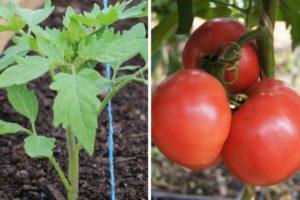
Peat containers can be used for transplanting, making it easy to transport seedlings to their permanent location. At 60-65 days old, seedlings are transferred to the ground. Seedlings ready for planting contain 6-7 formed true leaves and 1 flower cluster.
Before planting in the ground, harden off the plants for 7-10 days. To do this, keep the seedlings near an open window. If weather conditions permit, bring them outside, gradually increasing the time they are exposed from 30 minutes to several hours.
The tomato variety Zemlyak requires moderate watering and fertile soil. Tomatoes require a crop rotation plan. The best predecessors for the crop are legumes, cucumbers, and cabbage. The plot for tomatoes should be prepared, the soil loosened, and organic fertilizers, sand, and peat added.

Plant the bushes at a distance to prevent their roots from interfering with each other. The optimal planting distance is 35 cm between bushes and 70 cm between rows. Once the tomatoes have adapted and set fruit, stop frequent watering.
Tomatoes require periodic feeding with mineral fertilizers containing magnesium, potassium, fluorine, and phosphorus. When growing tomatoes indoors, it's important to renew the surface soil layer annually and ventilate the area.
The Zemlyak tomato's yield depends on proper care and adherence to agricultural practices, including loosening the soil, hilling the bushes, and removing weeds. Although the crop is disease-resistant, spraying with pesticides is used as a preventative measure.
Related posts:
 The best eggplant varieties for growing in a polycarbonate greenhouse: planting and care
 The best grape varieties for growing in the Urals, planting and care rules in summer
 Description of the Velika grape variety, cultivation and care tips
 80 Best Eggplant Varieties for Different Regions with Descriptions and Characteristics
 Description and characteristics of the best seeds of pea varieties and types
 Descriptions of the 20 best cherry varieties for the Moscow region, their planting and care
 What varieties of tomatoes are best to plant in a polycarbonate greenhouse?
 Methods for planting and propagating cherries at home