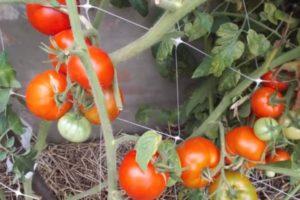
Mid-season tomato varieties are prized for their versatile qualities. The Gazpacho tomato belongs to this variety. This Russian-bred variety, better adapted to local conditions than imported tomatoes, has already found its fans.
General characteristics of the plant
Gazpacho tomatoes belong to the pepper-shaped group of tomatoes. Growing these varieties has its own nuances, as the elongated fruits are more susceptible to blossom-end rot than others. This is caused by a calcium deficiency and is easily remedied. Otherwise, these tomatoes are relatively easy to grow and resilient to weather changes and the stress associated with them. They are almost immune to fungal diseases and are even resistant to late blight.
The Gazpacho tomato variety is a determinate variety with self-culminating stems. The average height of these plants is only 40-50 cm. Reviews from those who have planted these tomatoes note that their fruiting ability is not affected by prolonged rains or cool weather in midsummer.
The average yield of the Gazpacho variety reaches 4-4.5 kg per bush. By using a dense planting method, a vegetable grower can obtain up to 20 kg of tomatoes per square meter. Fruiting occurs in clusters, with complex branches holding up to 10 tomatoes of similar shape and size.

This is a mid-early variety, with the first harvest taking about 3.5 months from germination. Full ripening of the tomatoes begins after one week and continues for about one month. The berries ripen very uniformly.
Fruit characteristics
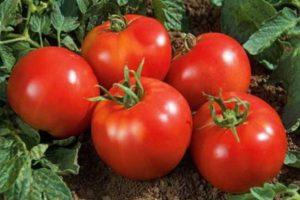
Pepper-shaped tomatoes are characterized by a distinctive fruit shape: elongated, cylindrical, sometimes slightly tapering toward the tip. The variety's characteristics and descriptions in catalogs indicate a length-to-diameter ratio of 3:1. Ripe tomatoes are bright red with an intense shine, as seen in the photo. Tomatoes at technical maturity are light green, with no spots near the stems.

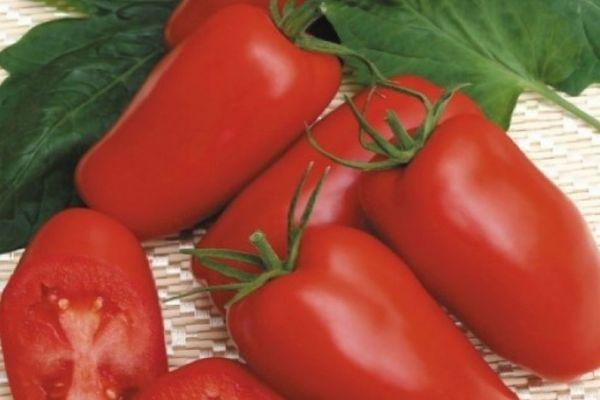
The skin is firm but not too thick. Tomatoes are resistant to cracking when ripening and do not burst during heat treatment during canning. They can be transported without risk of damage, retaining their attractive appearance and nutritional value for a long time. If picked unripe, they can ripen for a long time, keeping until mid-winter.
The flesh is juicy, firm, and dense. The fruit contains 2-3 seed chambers, each containing very few seeds. The tomato walls are about 1 cm thick. Those who have grown these tomatoes in their gardens describe their taste as exceptional, unforgettable.
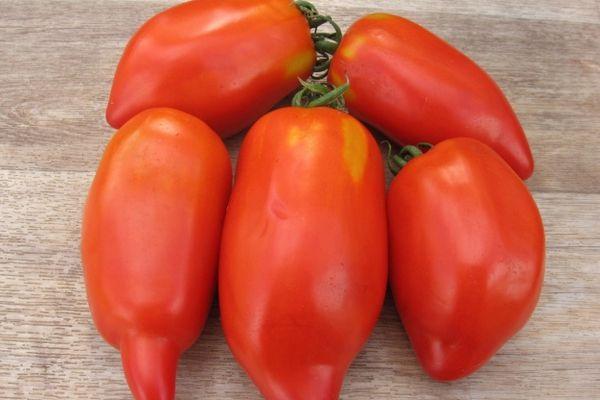
The high dry matter and sugar content of Gazpacho tomatoes gives them a rich, sweet flavor with virtually no acidity. Their aroma is distinctive and distinct. Gardeners note that these qualities are most pronounced in berries grown in sunny areas.
This variety is versatile. Its tomatoes are excellent for fresh consumption. These mid-early tomatoes can be harvested around mid- to late July, or a little earlier if grown in a greenhouse. The vibrant slices look beautiful in any salad or slicing. Fresh tomatoes are also used to make tomato gazpacho.
Tomatoes are ideal for whole-fruit canning: small (70-90 g), elongated, they fit tightly into the jar, and their unusual shape can be effectively combined with vegetables in a pickled assortment.
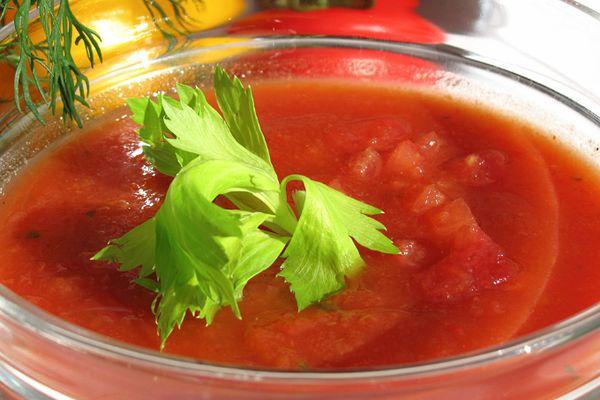
Thanks to its delicious flavor and aroma, gazpacho can be processed into delicious tomato juice and sauces. Small, sweet, and firm tomatoes are an excellent source for sun-dried tomatoes. Sliced, the berries are frozen for use in winter dishes that call for fresh tomatoes.
How to successfully grow pepper-shaped tomatoes?
Soil preparation is crucial for growing tomatoes. In the fall, the soil in the area where the tomatoes will be grown should be enriched with minerals and organic matter to ensure the young plants receive the necessary nutrition immediately after planting. The soil for the seedlings also needs to be prepared. It's also advisable to prepare the ingredients for this in the fall.
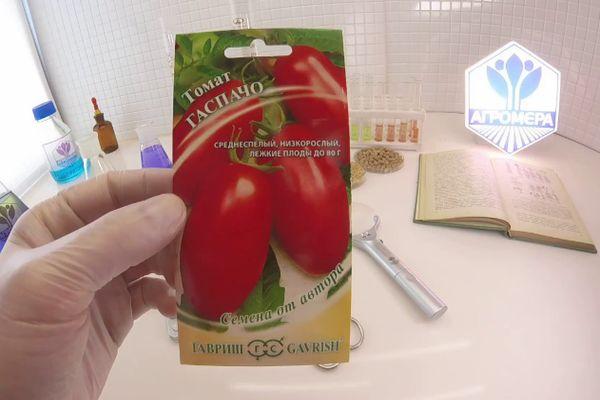
Sowing occurs in mid- to late March, 60-70 days before planting in the garden. For seedlings, use equal parts garden soil, humus, and sand. For every 10 kg of this mixture, add 2 tablespoons of ground chalk or eggshells. The soil is scattered among containers and soaked in a hot solution of potassium permanganate. After cooling, sow the seeds on the surface, then cover them with dry sand or soil (0.5 cm layer). Cover the containers with plastic wrap with holes for air circulation and place in a warm place (+25°C).
After 2-3 leaves appear, the seedlings are pricked out to a distance of 7-10 cm from each other. Further care consists of regular watering.
IN soil for planting tomatoes in a greenhouse Or, for garden beds, apply about 10 kg of humus per 1 m², scatter granulated mineral mixtures for tomatoes (high in potassium and phosphorus), and add 1-1.5 kg of chalk, dolomite flour, or slaked mulch. Then, thoroughly dig the area.
 Tomatoes should be planted in mid-May if you plan to grow them in a greenhouse, or in the first ten days of June in open beds or film shelters. The planting pattern is 40 x 50 cm. Elongated seedlings should be planted horizontally in a 20 cm deep trench. Three to four pairs of leaves should remain above the soil surface. If a flowering cluster has formed on the bush, the tomato plant should be planted almost to the level of the cluster.
If the beds were properly fertilized with minerals, tomatoes will require no further care. The gardener only needs to water young tomatoes regularly: 2-3 liters of water per bush daily. Once the plants show signs of growth, water less frequently, focusing on when the top 2-3 cm of soil has dried out. To develop a stronger root system, hill the bushes two weeks after planting. During the fruiting period, water once every 5-7 days, monitoring the soil for drying.
Related posts:
 Description of the best varieties of black tomatoes for open ground and greenhouses
 What varieties of tomatoes are best to plant in a polycarbonate greenhouse?
 The best and most productive tomato varieties for greenhouse cultivation in the Urals, with descriptions
 TOP 17 recipes for pickled sweet tomatoes for the winter
 15 simple recipes for pickling tomatoes in jars for the winter
 The best grape varieties for growing in the Urals, planting and care rules in summer
 11 Best Recipes for Preserving Tomato Slices for Winter
 Delicious recipes for canned tomatoes with honey for the winter, preparation steps