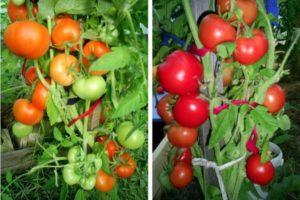
The Malinovka Apple tomato was developed in the late 19th century in the Kazakh city of Semey (Semipalatinsk). This variety is distinguished by its rich pink color of sweet fruits, disease resistance, and the ability to be grown in any conditions.
Benefits of Tomatoes
The Malinovka tomato variety is suitable for open-field cultivation in the southern part of the country. In other regions, greenhouse cultivation is recommended.
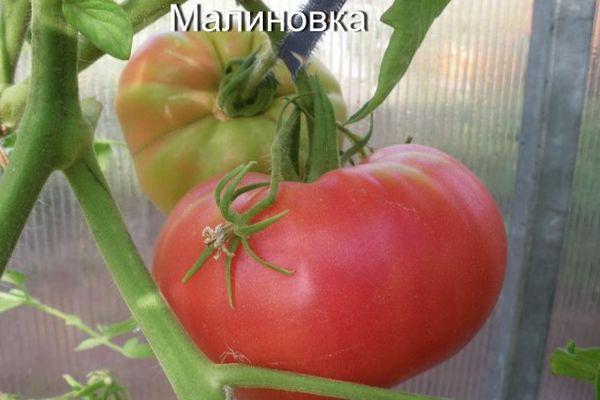
The characteristics and description of the Malinovka Yablochnaya variety indicate a medium ripening period and high yield of salad tomatoes.
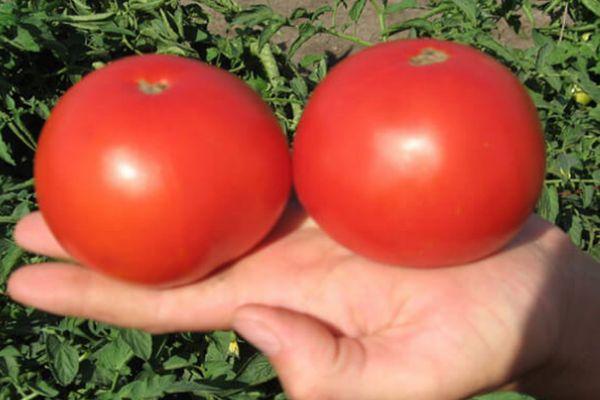
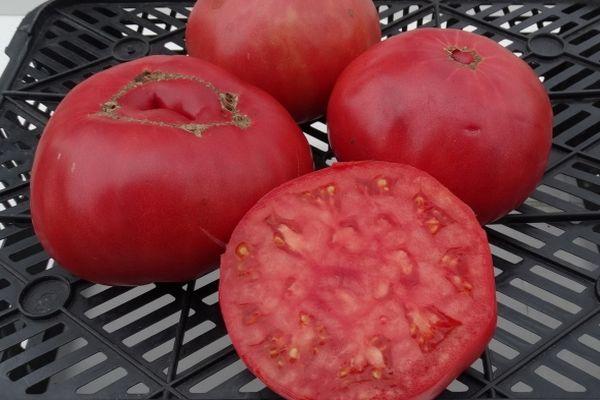
Malinovka tomatoes are pink and flattened and round. The average fruit weight is 300–600 g, but can reach 1 kg under excellent growing conditions. Approximately 5 kg of yield is harvested per square meter.
As they grow, the bushes reach a height of 1.8 m. The dense stem of this tomato is surprisingly massive; when cultivating, it is recommended to train the plant into 1-2 stems. The leaves are ordinary, of a standard shape and size, and a deep green color.
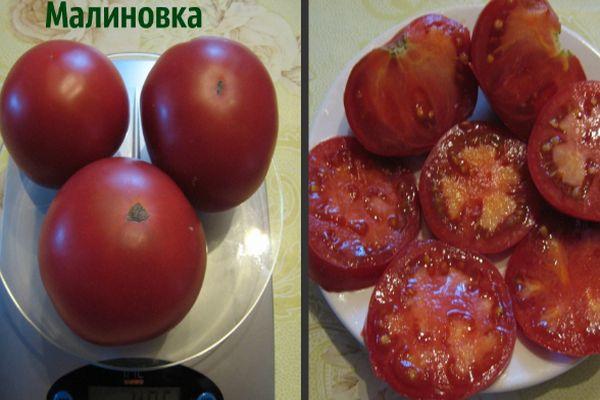
The variety's description highlights the fruit's resistance to cracking during ripening, excellent transportability, and excellent taste and marketability. The tomatoes are sweet in taste, with a medium dry matter content. When cut horizontally, chambers containing a small number of seeds are visible.
This variety is characterized by simple inflorescences, unjointed stems, and uniform ripening. These tomatoes are suitable for fresh consumption, canning, and the preparation of dietary dishes and sauces.
Agricultural technology of cultivation
Sow seeds for seedlings 60-65 days before the expected date of planting in the ground in a permanent location. Maintain a distance between plants when planting. The planting rate is 3 plants per square meter, and when forming a single-stemmed plant, 4 seedlings per unit area.
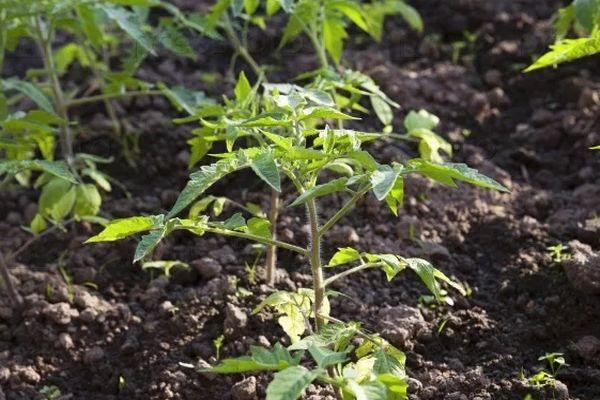
During growth, the bushes require regular watering with warm water. The addition of mineral and organic fertilizers can increase the crop's productivity. It is recommended to loosen the soil around the bushes to create a moisture balance and ensure air access to the root system.
To make crop maintenance easier and avoid having to fight weeds throughout the season, you can use black fiber to mulch the soil.
Tomatoes are resistant to weather conditions, tobacco mosaic virus, and blossom-end rot. Fungal diseases can be prevented with the use of specialized pesticides. Insecticides are used to control biological pests.
Take a look Also
Opinions and recommendations of vegetable growers
Reviews from gardeners characterize the variety as productive, stable, and with excellent taste.
Valentin Smirnov, 57 years old, Syzran:
"I've been growing tomatoes for many years, so I often choose new varieties for planting. A special place in my garden is occupied by the raspberry tomato series, including the Yarkaya Malinovka hybrid and the classic Malinovka tomato, which has a centuries-old history. The varieties are characterized by their taste, high yield, and juicy flesh. Tomatoes require full sun, so to reap a bountiful harvest, it's necessary to fertilize the soil and water the plants regularly."
Tatyana Vorobyova, 49 years old, Belorechensk:
"I inherited the Malinovka Apple tomato from my grandmother, who grew it year after year and collected select seeds for the following season. As it grows, it develops a strong bush with a sturdy stem. To prevent it from deforming under the weight of the fruit, it requires timely staking.
When growing tomatoes, it's important to follow basic care guidelines. Timely watering, fertilizing, and loosening the soil will help increase the yield. The plant has strong immunity to nightshade diseases. However, throughout the growing season, it's important to closely monitor the leaves and take action at the first sign of disease or pest infestation. The tomatoes are very juicy, tasty, and beautiful."
Related posts:
 80 Best Eggplant Varieties for Different Regions with Descriptions and Characteristics
 The best eggplant varieties for growing in a polycarbonate greenhouse: planting and care
 Description of the 30 best cherry varieties for the Moscow region, planting and care
 Description of the best varieties of black tomatoes for open ground and greenhouses
 The best grape varieties for growing in the Urals, planting and care rules in summer
 Descriptions of the 20 best cherry varieties for the Moscow region, their planting and care
 Description and characteristics of the best seeds of pea varieties and types
 Description of the Red Early apple tree variety, agricultural technology and specific care