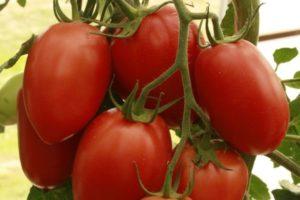
The Spiridon tomato belongs to the group of standard hybrids. It is easy to grow and requires little maintenance. Even a novice gardener can grow the Spiridonovsky tomato (also known as the Spiridon variety). The fruits are used in salads and eaten fresh. Some gardeners have managed to preserve the berries for the winter, but this method of preserving the harvest has not yet been perfected.
Brief technical information
The characteristics and description of the variety are as follows:
- Tomatoes begin to bear fruit 94-100 days after the first shoots appear.
- The plant grows as a low-growing, compact, yet spreading shrub, reaching a height of 0.4-0.5 m.
- The stem is strong and thick. The leaves are quite small, colored in dark shades of green.
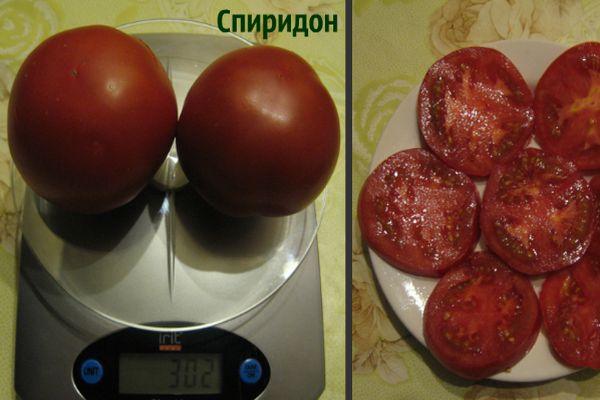
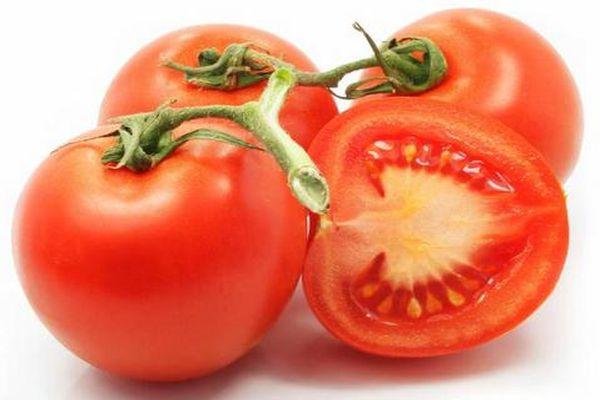
- The berries are almost spherical in shape, slightly flattened at the top and bottom. There are virtually no ribs.
- The fruit weight ranges from 50 to 100 g, but if all agricultural practices and breeder recommendations are followed, berries weighing up to 0.2 kg can be obtained.
- The pulp of the fruit is fleshy, juicy, and has increased density.
- Ripe fruits are colored in bright shades of red.
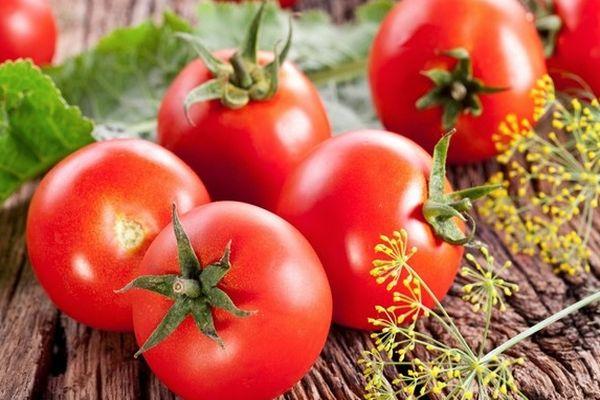
The Spiridon tomato yields up to 2.5 kg per bush. Gardeners' reviews indicate that with careful selection of the right variety of seeds, greenhouse growers can produce up to 3-3.5 kg of berries per bush. However, farmers have noted that the tomatoes crack when the soil moisture increases.
The fruits appear on the bushes almost simultaneously, allowing for harvesting with minimal losses. The variety tolerates frost well, and the bushes grow and bear fruit normally even at lower temperatures.
Spiridon is resistant to most tomato diseases. Due to its low growth rate, there's no need to remove side shoots or tie branches to supports. The bush is trained to have 5-6 stems.
Spiridon was developed by West Siberian breeders. It can be planted outdoors in the southern parts of the country. In central Russia and Siberia, the plant is grown both outdoors and in greenhouses.
How to grow Spiridon yourself?
After purchasing the seeds, they should be sown in boxes filled with soil, peat, and sand. The soil should be fertilized with manure. Sprouts appear in 5-6 days. They do not stretch vertically, so supplemental lighting is not necessary.
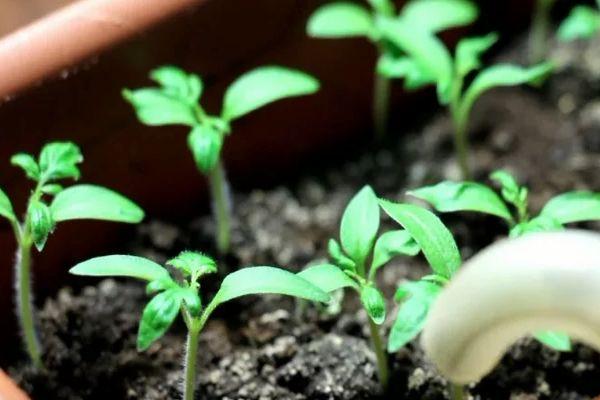
When the seedlings have 1-2 leaves, they are pricked out. Hardening off the seedlings begins 7-8 days before transplanting to their permanent soil.
Young bushes can be replanted only when they are at least 55 days old.
Plant 5-6 stems per 1 m² of garden bed. The planting site should be well-drained, but it is recommended to protect the bushes from drafts. Tomatoes grow and thrive in dense plantings.
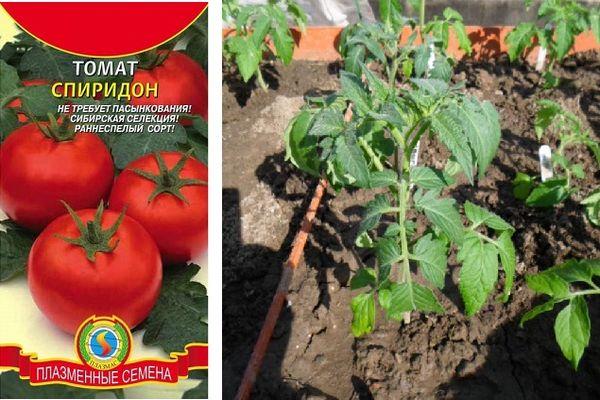
Water the plants regularly, but avoid overwatering, otherwise the fruit will crack. Loosen the beds and weed them weekly.
It is recommended to fertilize the bushes with mineral fertilizers at least twice. Nitrogen fertilizers are used initially, and after the first berries appear, potassium and phosphorus fertilizers are added. Complex mixtures and organic fertilizers can also be used.
To prevent diseases, tomato leaves and stems are sprayed with protective medicinal solutions that destroy microbes and fungi. As farmers who grow this variety point out, the plants are practically disease-free if all agricultural practices are carried out on time.
When gardeners notice the appearance and development of pests on tomato leaves, such as aphids, Colorado potato beetles, or various insect caterpillars, it is recommended to treat the plants with chemicals to kill these uninvited guests. Pests that prefer to nest on tomato roots, or slugs, can be controlled with ash added to the soil beneath each plant.
Related posts:
 The best eggplant varieties for growing in a polycarbonate greenhouse: planting and care
 Top 40 DIY New Year's Baking Recipes for 2020
 The best recipes for freezing vegetables at home for the winter
 Description of the Amur Tiger tomato and how to grow it yourself
 Is it possible to soak treated cucumber seeds before planting and how to do it correctly?
 The health benefits and contraindications of black currants
 How to set up drip irrigation for cucumbers in a greenhouse and open ground
 Description of the beneficial and harmful properties of persimmon for the body, contraindications