
The "Uhazher" tomato belongs to a group of compact hybrids. Therefore, it can be grown in a city apartment, using a loggia or balcony. Sedek produces seeds for this variety. This popular hybrid produces fruit well in greenhouses and open ground. The resulting fruits are quite large. Uhazher's skin is highly resistant to cracking, allowing for long-term storage or long-distance transport.
Some information about the plant
The characteristics and description of the variety are as follows:
- The first fruits appear 110-115 days after transplanting the seedlings into permanent soil.
- The bush of this variety grows to a height of 0.8-1.0 m. The stem bears a medium number of leaves, colored in dark shades of green.
- The first inflorescence appears above the 7th leaf, and subsequent similar elements develop after 2 leaves.
- The peduncle has no joints and no color spots.
- The fruits are cylindrical with a smooth surface. They weigh up to 0.11-0.12 kg. They contain two or four seed chambers. Ripe fruits are red, while unripe berries have a green tint.

Many reviews have been left by farmers who have grown this tomato variety. Gardeners note that Ukhazher tomatoes require side shoots, but are also highly resistant to various diseases. Ukhazher yields approach 6 kg of fruit per square meter.
Those who have planted the hybrid in their own backyards claim that the tomato can withstand sudden changes in weather conditions. However, it's best not to experiment with this hybrid's properties, otherwise you could lose the entire harvest.

This hybrid is successfully cultivated throughout Russia. It thrives outdoors in the southern regions of the country. Farmers in central Russia use plastic greenhouses to grow this tomato. In northern regions, it is recommended to plant Ukhazher in well-heated greenhouses.

The hybrid is used for canning and pickling. It's also used to make tomato paste, ketchup, juices, and sauces. Ukhazher can be eaten fresh or used in salads.
How to propagate the described tomato?
Even a novice gardener can grow a good harvest if they follow all expert recommendations. Any deviation from these guidelines will result in a loss of 30 to 50% of the harvest.
To ensure strong sprouts, sow the seeds in the first ten days of March, placing them in containers with special tomato soil at a depth of 15-20 mm. Then, spray the seeds with warm water and cover the containers with plastic wrap.

To ensure that the seedlings germinate within a week, it is recommended to maintain a room temperature of +21…+25°C. After the sprouts emerge, the container with tomatoes are transferred under special lamps, providing maximum light for young plants. Seedlings need to be watered regularly. Fertilize with organic mixtures, such as peat and manure.
The seedlings are transplanted to permanent soil in mid-April. Before transplanting, the bushes are hardened off for 7-10 days. The soil should be loosened and nitrogen fertilizer added beforehand. Uhazher is planted in a 0.5 x 0.5 m pattern. The bush is formed from 3-4 stems. Sometimes it is necessary to tie the stems to a support.

Subsequent fertilizing with potassium and phosphorus fertilizers is carried out after the development of the ovary, then when the fruits appear.
Water as needed, when the soil beneath the plants is completely dry. Use warm water in the evening or early morning. Avoid over-watering, as this will cause root rot. Regular weeding and loosening of the soil is recommended to ensure adequate oxygen supply to the tomato plant's root system.
To prevent the development of various diseases, it is recommended to treat the leaves and trunks of plants with medicinal preparations that destroy fungi and various bacteria.
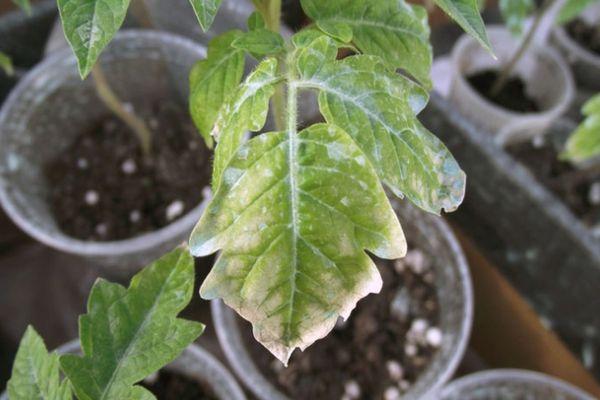 The threat of crop destruction by garden pests can be eliminated by taking preventative measures against them, for example, treating the leaves on the bushes with a soap solution. If this does not help, then the destruction of aphids, Colorado beetles and other insects is carried out using chemical poisons, which can be purchased in specialized stores.
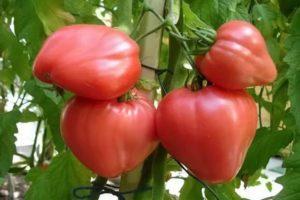
To destroy parasites that have burrowed on tomato roots and slugs, it is recommended to treat the soil under each plant with ash flour.
Related posts:
 TOP 20 best varieties of indeterminate cucumbers with descriptions
 Description and characteristics of the 30 best hazelnut varieties, cultivation
 Description of the best Dutch tomato varieties for greenhouses and open ground
 What varieties of tomatoes are best to plant in a polycarbonate greenhouse?
 Description and characteristics of the best varieties of sweet corn, cultivation technology
 Description of the best tomato varieties for greenhouses in the Kirov region
 TOP 30 best varieties of cold-resistant cucumbers with descriptions and characteristics
 TOP 40 best late-season cucumber varieties for open ground with descriptions