
Experienced vegetable growers prefer high-quality nightshade varieties with strong immunity and excellent yields. The Jaguar tomato is a Dutch hybrid that falls into this category. It produces an early harvest and is suitable for both greenhouse and open-field cultivation. These tomatoes have excellent flavor and are versatile. They are suitable for making juice, paste, lecho, ketchup, and vegetable salads.
Growing the Jaguar tomato variety is easy. It's undemanding, easily tolerating temperature fluctuations and short-term drought. Even a beginner can handle the care. The key is to properly organize the seedling cultivation process, planting, and subsequent care. To do this, it's worth studying the characteristics and recommendations provided by the Jaguar F1 tomato manufacturer.
General characteristics of the variety
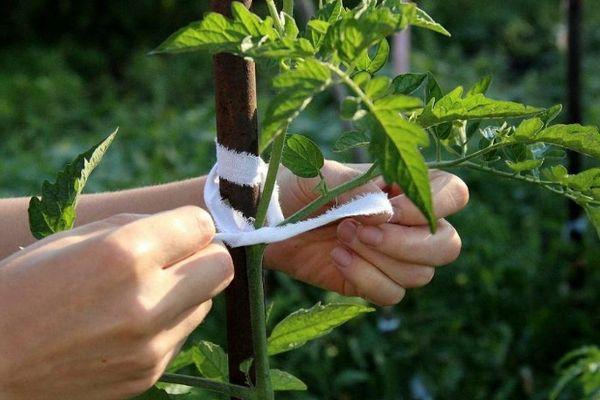
The Jaguar tomato variety is an indeterminate variety. The bush has a robust root system that extends more than 1 meter deep. This tall and vigorous plant requires additional support and pinching. Gardeners recommend training the bush into 1-2 stems. Despite its vigor, it maintains a compact and neat appearance. The branches are not very spreading, and the foliage moderately fills the plant. The foliage is dark green in color and has a regular shape. This tomato prefers warmth and light, but has established itself in the market as a cold-hardy plant.
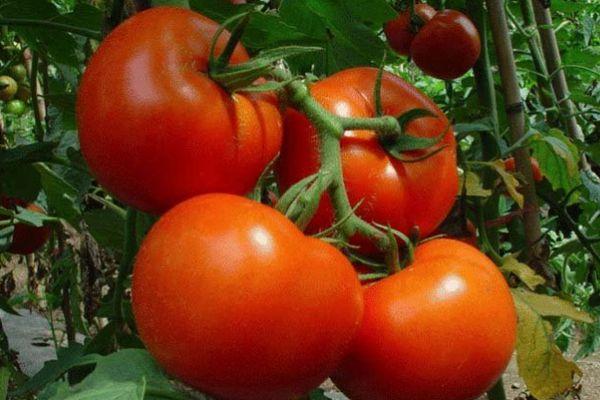
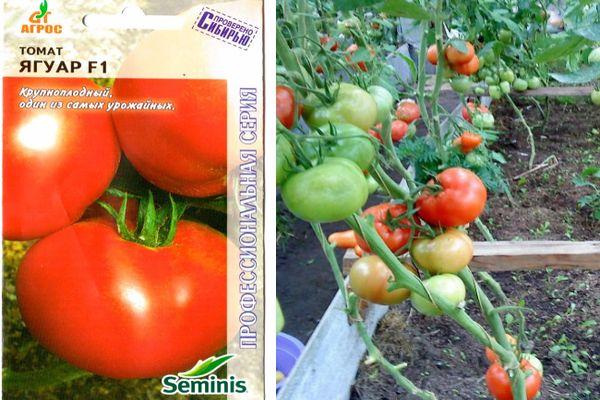
The fruits are round, slightly ribbed, bright red, and have smooth, shiny skin. Each tomato weighs an average of 160–180 g. There are no more than 4–6 nests per branch.
This tomato has excellent flavor, with dense and juicy flesh, featuring a mild acidity and spicy notes. The first fruits ripen 75-80 days after the seedlings emerge. Jaguar tomatoes are highly productive, yielding an average of 7-10 kg per square meter. In greenhouse conditions, the fruits can be heavier, and the plant can reach a height of 1.5-2 m.
The harvest can be stored for a long time, about a month. The key is to create the right conditions for this. A thick skin protects tomatoes from cracking and makes them suitable for long-distance transportation.
The Jaguar F1 tomato variety is resistant to many diseases and has good immunity to tobacco mosaic, verticillium wilt and fusarium wilt.
Many vegetable growers recommend using beds for planting tomatoes where cucumbers, cauliflower, zucchini, carrots, onions, dill, or parsley were previously grown.
Growing seedlings
Seeds for seedlings should be sown in March. The manufacturer typically provides a planting schedule and the time for transplanting them outdoors on the seed packaging. Many gardeners prepare the seeds in a specific way before sowing.
To increase the plant's resistance to fungi and pests, soak the seeds in a potassium permanganate solution for 30 minutes. Then let them dry thoroughly. To stimulate growth, soak them in a growth stimulant. After treating the seeds, prepare the soil and planting container.
You can purchase ready-made soil from specialty stores or prepare it yourself as follows: mix 1 part turf soil with 1 part peat and sand. Lightly moisten the soil and place it in a special container.
The seeds are planted 1-1.5 cm deep in the soil and covered with soil. The seedling tray is covered with plastic and placed in a warm, draft-free location. Ventilate the mini greenhouse daily to prevent moisture stagnation.
Young shoots will break the surface in 10-14 days, and if conditions are favorable, they will quickly gain strength and become established. As soon as the first two leaves appear, they can be transplanted into individual pots. Pricking out should be done directly into peat pots. This will prevent disturbing the young plants' roots when planting them in the garden.
The seedlings are planted in open ground as soon as the weather becomes warm outside and the soil warms up.
The soil in the beds must be fertilized initially; for this purpose, you can use humus or special mineral complexes.
The seedlings are planted in a 50 x 40 grid, with 6 to 9 plants per square meter. The beds should be watered with settled water and mulched immediately after planting. Regular wood shavings are best for mulch.
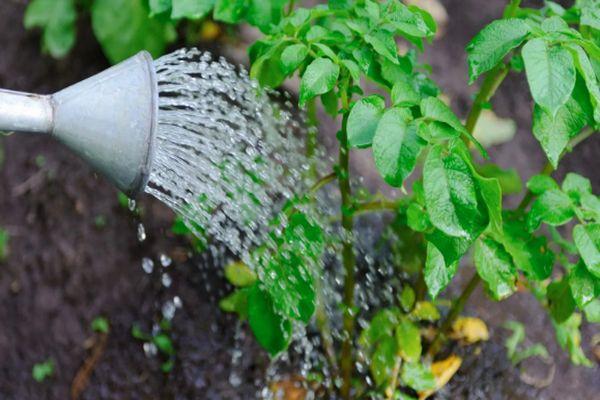
Further care for tomatoes is as follows:
- regular morning watering;
- loosening and weeding the beds;
- application of mineral fertilizers;
- pinching out stepsons.
Reviews of the Jaguar variety are overwhelmingly positive. This tomato has excellent flavor, is highly productive, and is easy to grow. It has good disease resistance.
Related posts:
 The best grape varieties for growing in the Urals, planting and care rules in summer
 Methods for planting and propagating cherries at home
 Conditions for growing mandarin at home and rules for caring for the tree
 Rules for planting and caring for pears in open ground, how to grow them correctly
 Description and cultivation of the 15 best cherry plum varieties for the Moscow region, planting and care rules
 Peach tree care and agricultural secrets, pest control
 Rules for growing and caring for cherry plum in open ground, planting and fertilizing
 Choosing a rootstock for cherry grafting and budding rules for beginners
I really like these tomatoes; they can withstand those sudden temperature changes, which has been a common occurrence for several years now. To help my seedlings grow faster—I'm really looking forward to harvesting—I use BioGrowIt helps speed up the whole process. I've been using it for years now, and my tomatoes grow so deliciously that it doesn't affect anything other than growth.
I live in Primorsky Krai. I ordered this amazing variety online about three years ago. At first, I was hesitant. The pack only contained 5 seeds, and it cost 50 rubles. But I later stopped regretting it. The variety is truly not sour. The fruits are fleshy. One problem: no matter what rainfall, when ripening under the scorching sun, the fruits crack horizontally in a circle. When there was no rain for 40 days this summer of 2021, the fruits cracked less, but at 40°C (104°F) in the sun, some fruits were seriously burned. The variety survived a real drought, when the soil around the bed in the furrows cracked so much that you could fit your hand in. I have a rule of never watering anything. The only caveat is that as soon as any rain falls during the plant's formation and development, you must always and everywhere urgently loosen the soil to prevent it from becoming impermeable to air. This agricultural technique destroys weed seeds, and the bed will be protected from crusting and cracking while retaining moisture. It would be great to cover the soil with mulch at this very moment, but a gasoline-powered unit capable of grinding both branches and grass is only a dream.