
- Characteristics and description of White filling tomatoes
- Ripening time
- Productivity
- Growing conditions
- Resistance to pests and diseases
- Characteristics of fruits
- Pros and cons of the variety
- How to grow White filling tomatoes
- Preparing seedlings
- Planting in open ground
- Growing in a greenhouse
- Care instructions
- Watering and fertilizing
- When and how to remove side shoots?
- How to protect yourself from diseases?
- Pest control
- Harvesting, storage and processing of crops
- Reviews from gardeners
The White Naliv tomato boasts a long list of positive qualities, which is why gardeners have been choosing it for decades. This variety is characterized by a determinate growth habit. Tomatoes are grown both in greenhouses and open beds. You can prepare seedlings in advance or plant them directly from seeds. If you follow proper agricultural practices and care guidelines, the results will exceed all expectations.
Characteristics and description of White filling tomatoes
The White Naliv 241 variety was developed by breeders from Kazakhstan in 1979. The name was given due to the similarity of the tomatoes' ripening color to the well-known White Naliv apple. The creamy milky color gives way to red hues.
The White Naliv tomato variety is characterized by a determinate growth habit. Its robust stem reaches 72 cm in protected soil and up to 55 cm in open beds. Each plant produces more than six fruiting branches. The root branches do not penetrate deeply but extend widely, absorbing the necessary nutrients. The light green leaves are medium-sized and wrinkled, without pubescence.
Ripening time
The White Naliv fruit ripens after 95 days, which is why the crop is classified as an early-ripening variety.
Productivity
White Naliv tomatoes have long been considered a fairly high-yielding variety. Gardeners can harvest up to 3.2 kg of tomatoes from a single tomato plant. However, recently, new varieties have been developed that perform even better.

Growing conditions
The White Filling variety is unpretentious, but to obtain a high yield, you should take care of a few things:
- For planting, it is better to choose the southern or southwestern part of the site.
- The White Filling variety has an average level of disease resistance, so you should pay close attention to soil and seed treatment.
- The soil for planting should be light, fertile, with low acidity.
- For the first time after planting, it is advisable to cover young seedlings with film.
If you follow these simple rules, you will be able to grow the crop without any problems.
Resistance to pests and diseases
Because the Bely Naliv variety ripens early, it doesn't have time to catch the spread of late blight and other infections. However, improper farming practices or poor weather conditions weaken the plant's immunity, increasing its susceptibility to disease.
Characteristics of fruits
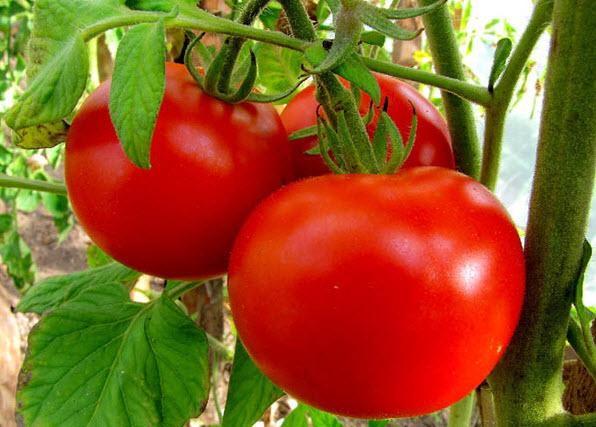
Initially, green fruits form on the branches, but as they ripen, they acquire a rich orange-red color. Each fruit weighs 80-100 g.
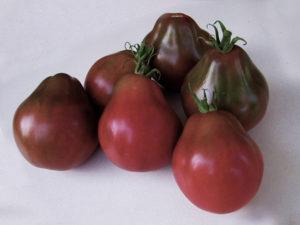
Distinctive features of ripe White Naliv tomatoes:
- round shape;
- smooth, glossy surface;
- some fruits show slight ribbing;
- the pulp is dense;
- a small number of seeds inside.
The skin of tomatoes is thin but strong, so the harvested crop is stored for a long time and does not spoil during long transportation.
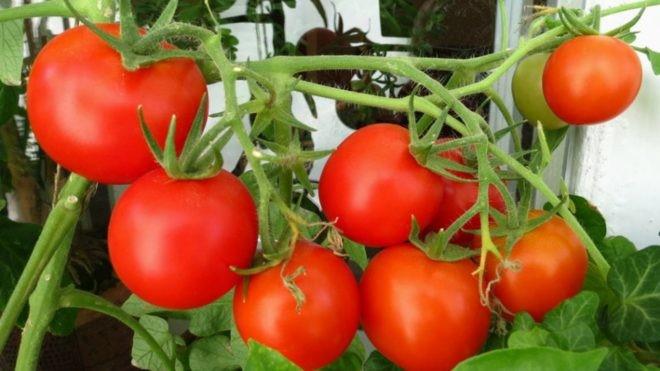
Tomatoes are versatile. They are eaten fresh, added to salads, and also used for winter preserves. They are also preserved whole, used to make sauces, tomato paste, adjika, and marinades.
Pros and cons of the variety
The positive properties of the White Naliv variety include:
- the opportunity to harvest early;
- there is no need to tie up the stem and remove side shoots;
- simultaneous ripening of fruits;
- It can withstand adverse weather conditions.
Disadvantages include the need for disease treatment, as the variety does not have good immunity.
How to grow White filling tomatoes
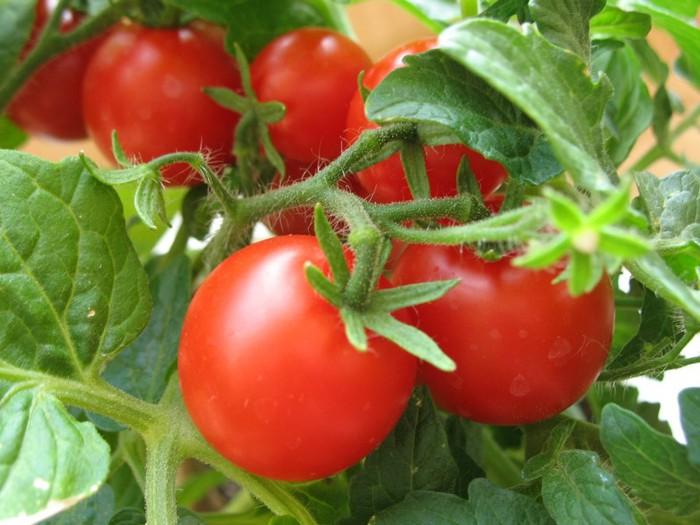
It's best to grow the White Naliv tomato variety using seedlings. To ensure strong and healthy seedlings, follow these step-by-step instructions.
Preparing seedlings
When to plant White Naliv seeds for seedlings depends on the transplanting location. Seedlings intended for greenhouse transplantation begin to be prepared in late March or early April. For open beds, sowing begins in mid-April:
- The first step is to prepare the soil. To disinfect it, it is doused with boiling water or baked in the oven.
- Now we begin selecting the seeds. Good seeds can be identified by immersing them in salt water for 10 minutes. Hollow, damaged seeds will float to the surface, while good ones will remain at the bottom.
- Seeds suitable for planting are immersed in a potassium permanganate solution for 20 minutes. Afterward, they are rinsed, laid out on a damp cloth, and left for three days.
- Dig 7 mm deep holes in the soil, lay out the prepared seeds, and water. Cover the container with plastic wrap and store in a warm place.
- As soon as the first sprouts appear, the film is removed and the container is moved to the brightest windowsill.
- After the first three true leaves appear, transplant the seedlings. It's best to plant them in individual peat pots.
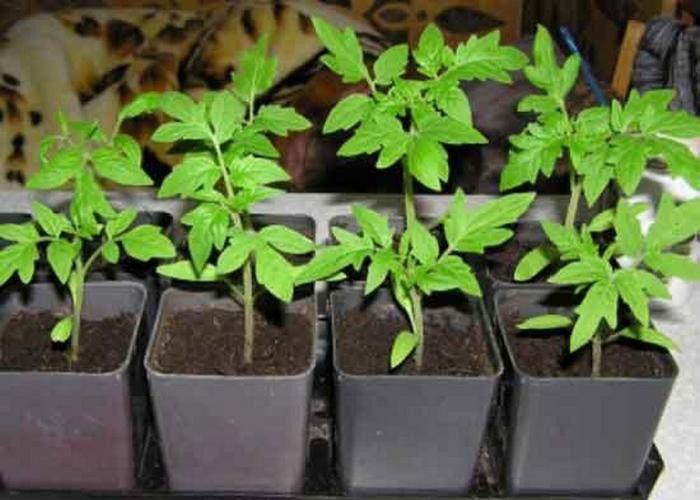
Caring for the plant is straightforward. Initially, the seedlings require additional lighting. Water three times every eight days. It's best to apply water at the roots. Fertilizer application begins 12 days after transplanting.
The seedlings, which have reached 21 cm in height, are ready for transplanting. Hardening off the plants begins 12 days before planting them in their permanent location.
Planting in open ground
Transplanting of mature seedlings begins in late May. At this time, the likelihood of night frosts returns decreases, and warm weather sets in. The White Naliv variety thrives in loose, light, well-aerated soil with neutral pH. Sandy or loamy soil is ideal. In the fall, the selected plot is dug over and compost is added.
It's recommended to plant White Naliv tomatoes where cucumbers, cabbage, onions, or zucchini were previously grown. Avoid planting them immediately after potatoes, eggplants, or peppers, as these crops are susceptible to the same diseases.
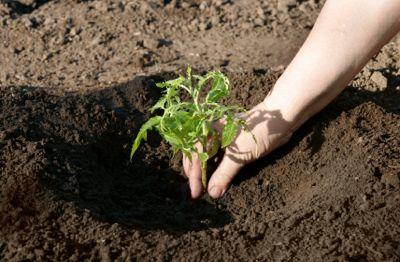
In the spring, the area chosen for planting tomatoes is cleared of weeds and loosened. It's best to plant tomatoes in two staggered rows, leaving 40 cm between the holes. The interval between the rows is 50 cm.
Growing in a greenhouse
Preparatory work begins in the fall. It's important to replace the topsoil, as it harbors pests and pathogens that overwinter. After this, the area is dug over and fertilized.
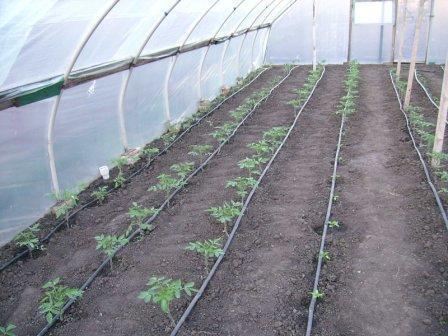
Seedlings are planted in the greenhouse 12-14 days earlier than in open beds—in mid-May. Dig holes (18 cm deep) in a checkerboard pattern, spaced 35 cm apart, into which the seedlings are transplanted.
In a greenhouse, it's essential to monitor the temperature and humidity levels. Regular ventilation and disinfection are also essential.
Care instructions
Maintenance is minimal and doesn't require much time or effort. The key is to water, weed, fertilize, and perform preventative treatments.
Watering and fertilizing
It is recommended to water White Naliv tomatoes twice every eight days. Use warm, settled water, applied directly to the roots. This should be done early in the morning. Avoid getting water on the green parts of the plant when watering.
The first feeding is done two weeks after transplanting into the garden. The next feeding is done during the fruit set period, and then again two weeks later.
You can use the following fertilizer application scheme:
- It is recommended to choose urea as the first fertilizer;
- after a week, add a solution based on chicken manure;
- when the first ovaries appear, add a solution of wood ash;
- During flowering, use potassium humate;
- During the fruiting period, superphosphate is added.
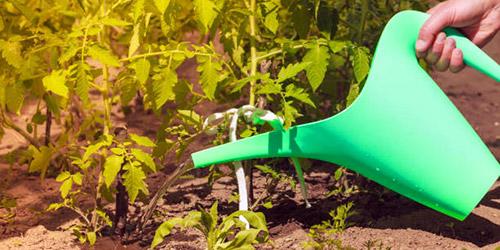
Suitable fertilizers include compounds based on yeast, mullein, nettle, onion peel, wood ash, and bird droppings.
When and how to remove side shoots?
The Bely Naliv variety doesn't require side shoot removal. If you have the time and desire, side shoots can be removed a couple of times per season. Remove the side shoots that emerge from the leaf axils, leaving a 1.3 cm stump. Side shoot removal frees up space. Light and air can reach all parts of the plant without obstruction, reducing the risk of disease.
How to protect yourself from diseases?
In case of rainy and cold summers, the risk of the variety being infected with late blight, fusarium, and root rot increases.
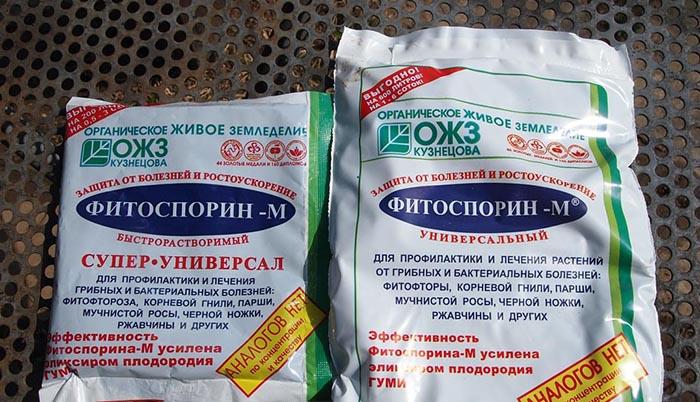
For prevention, treatment with products such as Fitosporin, Ridomil, Quadris, and Hom is recommended. Among folk remedies, formulations based on onion peels, whey, and salt are effective.
Pest control
The most common pests that attack tomato plants include whiteflies, spider mites, and aphids. The following products are used for prevention and treatment: Boverin, Verticillin, Actofit, Actellic, and Iskra.
Popular folk remedies include infusions based on herbs such as tansy, celandine, dandelion, and burdock. Dry spraying of tobacco dust and wood ash is also helpful.
Harvesting, storage and processing of crops
Harvesting begins early on a dry morning. If the harvest is intended for storage, unripe fruits are removed from the bush. It's important to harvest all the fruits before the temperature drops below 8 degrees Celsius.
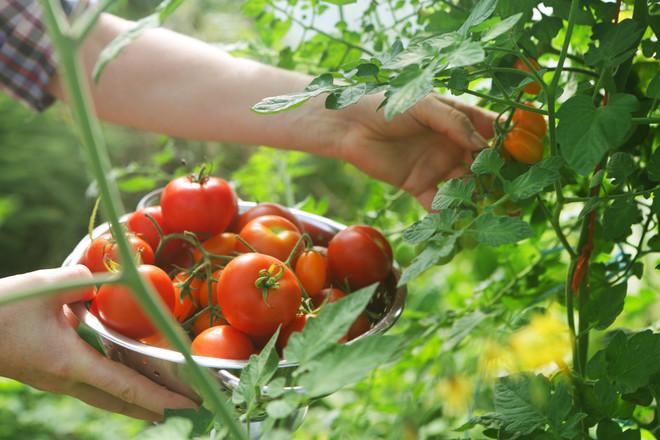
Harvested tomatoes are laid out in a single layer to ripen in a cool, well-ventilated area. The air temperature should be 7°C (45°F), and the humidity should be 82%. Ripe tomatoes are stored at 2°C (37°F).
Only smooth fruits, free of cracks and other damage, are selected for processing. Tomatoes are used for pickling, canning, making pastes, and adjika.
Reviews from gardeners
Judging by the reviews of those who have planted the White Naliv tomato variety, there are more positives than negatives. Many reviews note that the crop becomes susceptible to late blight during severe and prolonged cold weather.
Svetlana, 46, Tambov: "I like this variety for its high yields, even in rainy summers. The fruit keeps for a long time, and the skins don't crack. It's easy to care for, and the plant has never been sick."
Elizaveta, 68, Kazan: "I've been planting Bely Naliv for a long time. The whole family loves the taste of the fruits. Numerous tomatoes hang in clusters, ripening at the same time. The care is simple and doesn't require much time. They ripen before fungal infections flare up."
Ekaterina, 57, Moscow: "I started growing Bely Naliv as soon as I bought my garden plot. The seeds germinate quickly and evenly. The care is standard. The tomatoes set and ripen at the same time."
Related posts:
 The beneficial properties of white onions, description of varieties, cultivation and care
 The best grape varieties for growing in the Urals, planting and care rules in summer
 Description and characteristics of the Pink Naliv apple tree, planting and care
 80 Best Eggplant Varieties for Different Regions with Descriptions and Characteristics
 Description of the 90 best varieties of beans for open ground with names
 TOP 8 recipes for making clear jam from White Naliv apples in slices for the winter
 Description of blight-resistant tomato varieties for open ground and greenhouses
 Description of 30 varieties and types of Muscat grapes, planting, cultivation and care