
The Bonanza tomato is a relatively new variety. It's only been around for a few years, but it's already won fans with its pleasant flavor and elegant fruit shape.
General characteristics of the plant
This variety is classified as indeterminate. The bush's growth is unlimited, and gardeners report that it can produce up to 10 or more clusters. The Bonanza variety is intended for indoor cultivation, so the best method for training is a single trunk from which all side shoots are removed as they form. The plant is tied to a support, and the top of the bush is pinched 2-3 weeks before the end of the gardening season.
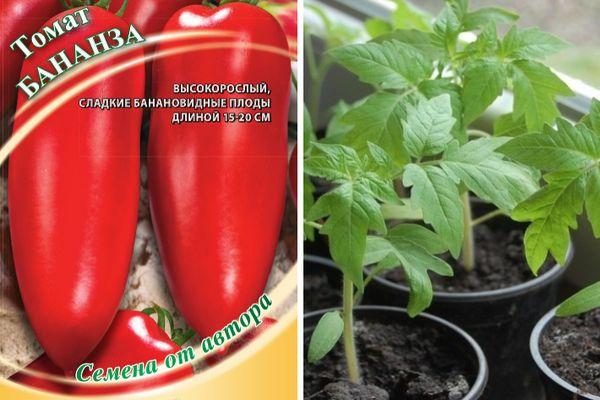
The variety yields up to 3 kg per bush. With a 40x40 cm planting pattern, approximately 20 kg of good-quality marketable produce can be harvested per unit area.
The Bonanza tomato plant is covered with large, dense leaves. Although the plant is resistant to many fungal diseases, it is recommended to remove the foliage below each newly forming flower cluster. This method is used when growing tomatoes to improve ventilation.
What kind of fruits does the Bonanza tomato produce?
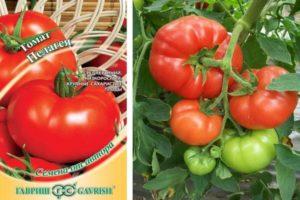
The variety is classified as a pepper-shaped tomato.Bonanza tomatoes are distinguished by their unusually long (15-20 cm) fruits. The long and relatively thin tomatoes are gathered in branched clusters, each containing 12-17 ovaries. With an average fruit weight of about 130 g, a cluster weighs approximately 2 kg, so gardeners often tie the branches to a support to prevent them from breaking under the weight of the tomatoes.
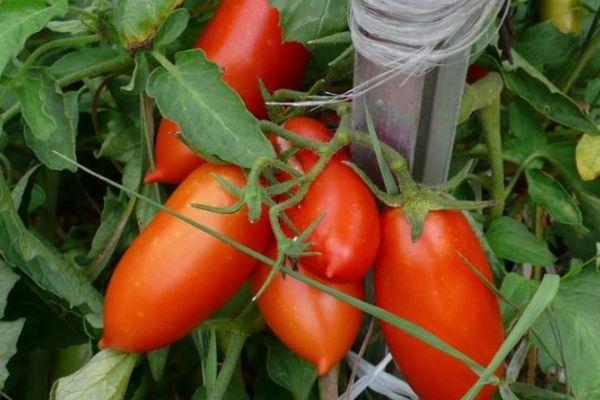
The skin of elongated Bonanza tomatoes is particularly durable: it resists heat treatment, preventing cracking and rotting. These elongated tomatoes can be transported and stored ripe without risk of damage to the skin. Ripe tomatoes are a rich, bright red, with a smooth, uneven surface.
The flesh of long tomatoes is usually a bit dry, but the Bonanza tomato combines firmness with juiciness. The fruit's texture is quite pleasant, without crunch or excessive firmness. The seed chambers are few in number, surrounded by thick, fleshy walls and containing a small number of seeds.
This mid-season tomato (110-120 days from sowing to harvest) is better suited for winter canning than salads. It has a high sugar content and contains approximately 7.5% dry matter. The tomato's aroma is classic and distinct.
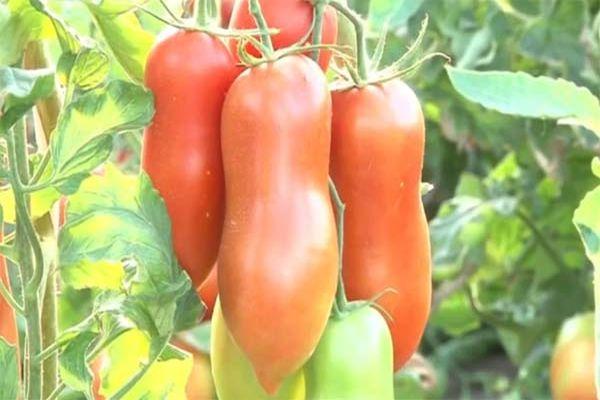
Thin and long tomatoes look impressive in jars and marinades, such as vegetable platters, contrasting beautifully with cucumbers. Gardeners' reviews indicate that these tomatoes are well-suited for making sauces or ketchup. The sweet taste and vibrant aroma of the finished product pair well with Italian and Caucasian dishes.
Tomatoes are great for making tomato juice or drying. When eaten fresh, tomato rings can be a great addition to any appetizer or platter.
Agrotechnical requirements
The mid-season Bonanza variety is sown for seedlings in early March. By the time they're transplanted into the greenhouse (mid- to late-May), the plants will be 75-80 days old and will begin bearing fruit within 1.5 months. To ensure the variety's characteristics and description match the results the gardener will experience, it's important to properly grow the planting material and then care for the tomatoes.
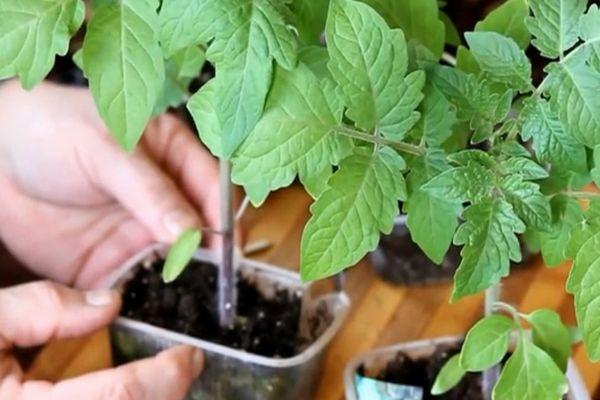
Sow seeds in boxes on a layer of very moist soil. Cover the seeds with a thin layer of sand or dry soil (no more than 0.5 cm). Cover the box with glass or film to retain moisture until the seeds germinate. Place the containers in a warm place (+25°C). Under these conditions, the first sprouts will appear in 4-5 days.
After this, the glass is removed and the plants are transferred to a room with an average temperature of about +20 °C. It is necessary to provide the seedlings with a large amount of light: daylight hours should be at least 12 hours per day. If there is not enough natural light, illuminate the seedlings with fluorescent lamps or special phytolamps.
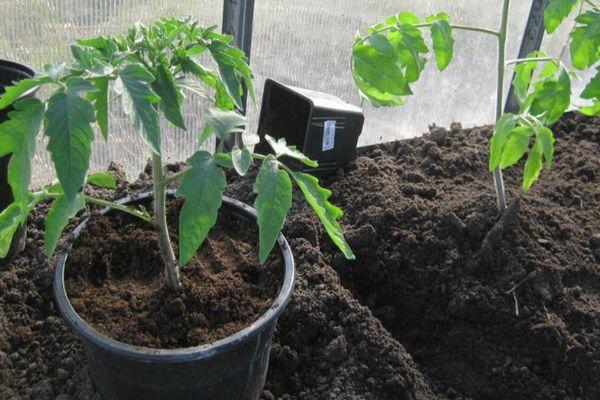
When 1-2 true leaves appear, transplant the seedlings into individual pots. During this time, it's important to ensure the root system doesn't become overly cold: the soil temperature shouldn't fall below 16°C, even at night. Use only warm water for watering.
In the fall, Bonanza tomato beds should be filled with rotted organic matter and limed, adding 1 kg of dolomite flour or chalk per square meter. This will prevent the plants from becoming overweight and producing excessive foliage. Plant the tomatoes in a 40x40 cm pattern.
When flowering begins, apply a phosphorus-potassium fertilizer solution (Signor Tomato, Kristallone Tomato, superphosphate, and potassium nitrate) under each bush. Directions for use are provided in the instructions for each specific product.
Related posts:
 The best eggplant varieties for growing in a polycarbonate greenhouse: planting and care
 Methods for planting and propagating cherries at home
 Causes and treatment of eggplant pests and diseases, how to combat them at home
 Description of the Red Early apple tree variety, agricultural technology and specific care
 Is it possible to grow an apricot tree from a seed in your garden? How to plant and care for it?
 The best grape varieties for growing in the Urals, planting and care rules in summer
 Is it possible to soak treated cucumber seeds before planting and how to do it correctly?
 Top 40 DIY New Year's Baking Recipes for 2020