
The Bonaparte hybrid tomato can be found in almost every garden or greenhouse. Tomatoes of this variety are distinguished by their excellent taste, pleasant aroma, beautiful shape, and compact size. Reviews of this variety are overwhelmingly positive. Gardeners note that the plant is not fussy, but requires careful care and proper feeding.
What is a Bonaparte tomato?
Description of the variety:
- This is an early maturing variety, suitable for growing in the ground or greenhouse conditions.
- Gardeners recommend planting seedlings in greenhouses, especially in regions with cool climates.
- In the south, bushes can be planted in open ground.
- The Bonaparte variety is also called Vilmorin, since the variety was created and produced by the famous breeding company "Vilmorin".
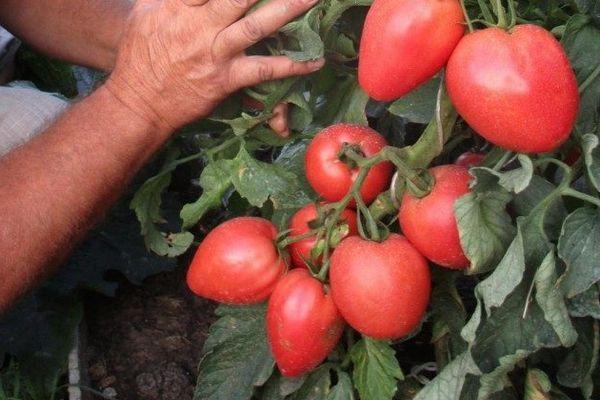
Other characteristics of the Bonaparte f1 include:
- The plant is indeterminate.
- The first harvest appears within 2 months from the moment the seedlings are planted in the ground.
- Each fruit weighs no more than 160 g. If the clusters are properly formed into a single trunk and fertilizer is applied, the weight of one tomato can increase to 500 g.
- Bonaparte tomato bushes reach 1.5 m in height.
- Short internodes are formed on the trunk and leaves.
- The leaves on the trunk are medium-shaped and have a pleasant green color.
- The variety is resistant to viruses and diseases that plague garden crops. Breeders have created a tomato that can withstand viruses such as cladosporiosis and tobacco mosaic.
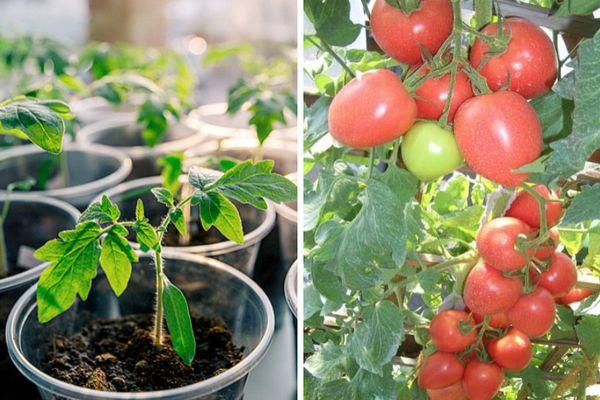
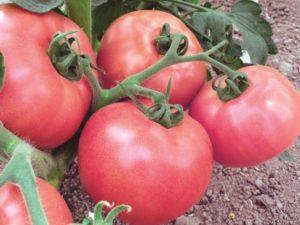
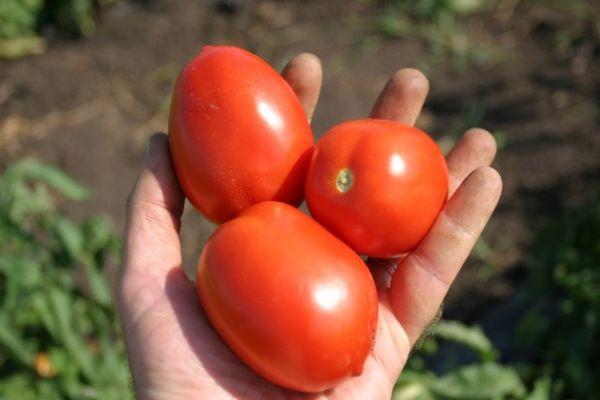
The fruits are ovoid. They are distinguished by their pinkish-red color and smooth skin, which does not crack during ripening. This makes them ideal for whole canning. The center of the tomatoes is juicy and fleshy, containing 3-4 chambers containing seeds.
The variety's excellent flavor makes dishes made with Bonaparte tomatoes a favorite among both adults and children. Gardeners recommend using them not only for fresh salads, but also for tomato juice, puree, and soups. Many cooks add Bonaparte F1 tomatoes to stews, braised meats, and other dishes.
How to grow tomatoes?
Hybrid varieties must be properly planted in pots and then in the ground. Seeds should be sown for seedlings 50 to 60 days before transplanting the seedlings to a greenhouse or open garden bed.
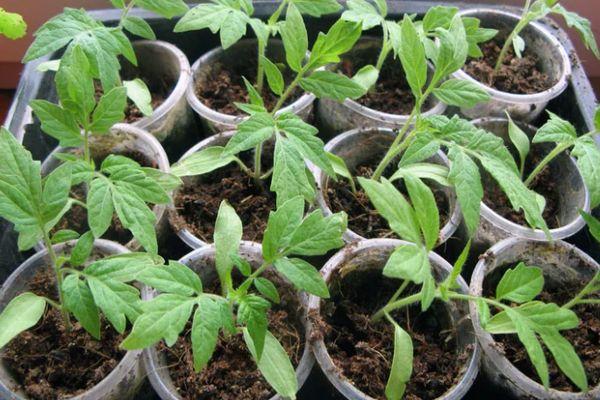
In the south, you can sow in pots in early March (until the 10th or 11th), in the central regions – in late March, and in the northern regions – in early April. These dates are suitable for seedlings planned for planting outdoors; for greenhouses, the dates should be moved forward by 2-3 weeks.
Seeds for seedlings are taken from the garden or purchased from a specialty store. The soil must be prepared in advance, which requires placing it in a warm, well-heated room. Dry the soil in the oven 2-3 days before planting. This will kill viruses and harmful spores, preventing seedling contamination.
Store-bought seeds don't need to be disinfected. Simply soak them in water until the defective seeds float to the surface. Place the remaining seeds on damp cheesecloth and let them germinate for one day. After 24 hours, soak the seeds in a potassium permanganate solution for 20 minutes, then rinse the seedlings under warm water.
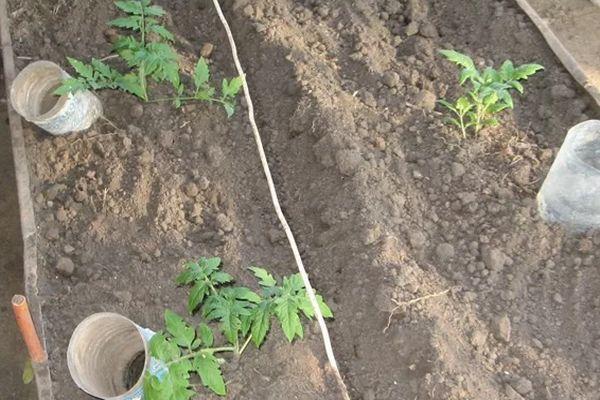
The seeds are placed in boxes at a distance of 2-3 cm and covered with plastic film to create a greenhouse effect. The film should only be removed once the sprouts appear.
The seedlings should be watered with warm water. When four leaves appear, they are pricked out, selecting only strong plants. Plant the seedlings 30-35 cm apart, completely covering the roots with soil.
Water the Vilmorin tomatoes with warm water and cover them with a cloth to prevent them from burning. While growing, water the plants, but avoid overwatering to prevent root rot. Water them as soon as the top layer of soil dries. After each watering, loosen the soil to quickly restore aeration.

 The seedlings are tied up during growth to prevent the bushes and clusters of fruits from breaking. Regular fertilization is also recommended. The first time is before the first ovary begins to form. For this, it is recommended to use regular ash mixed with the top layer of soil. The second time is with yeast when the bushes begin to bloom.
It is also recommended to use fertilizers containing potassium. Iodine-containing fertilizers are used to water the bushes once a week during dry, windless weather.
Related posts:
 Is it possible to soak treated cucumber seeds before planting and how to do it correctly?
 Description of the 90 best varieties of beans for open ground with names
 The best grape varieties for growing in the Urals, planting and care rules in summer
 80 Best Eggplant Varieties for Different Regions with Descriptions and Characteristics
 Description and characteristics of the best seeds of pea varieties and types
 How to prepare tomato seeds for planting seedlings
 Rules for growing tomatoes in open ground, choosing a variety, planting and care
 Carrot care guidelines for outdoor cultivation to ensure a good harvest