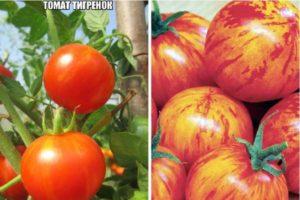
The Delicious tomato was developed by American breeders in 1964. There are several varieties of this tomato, all of which produce fairly large fruits. The fruits of this variety have a slightly tart flavor. This tomato is used in salads and canning.
Briefly about the Delicious variety
The characteristics and description of the plant are as follows:
- The height of the bush can reach 190-200 cm. Few leaves grow on the stem.
- Tomatoes of this variety have a medium ripening period. From planting to harvest, it takes 100 to 120 days.
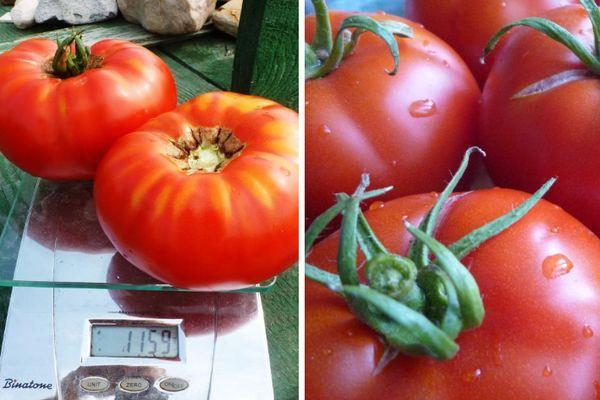
Description of the plant's fruits:
- Delicious tomatoes are shaped like flattened spheres with a smooth, glossy surface.
- Tomatoes are red or orange in color. The flesh is firm and has a uniform texture.
- Tomatoes on all bushes ripen almost simultaneously.
- The fruit of this variety is gigantic compared to other tomatoes. The average weight of each tomato ranges from 0.4 to 0.6 kg. The tomato is resistant to cracking.
Delicious can be grown in open ground and greenhouses. This giant doesn't have time to ripen in central Russia, so breeders recommend growing it in plastic greenhouses. In Siberia and the Far North, well-heated greenhouses are recommended. In southern regions, this plant can be grown in open ground, provided the seedlings are protected from sudden temperature drops.
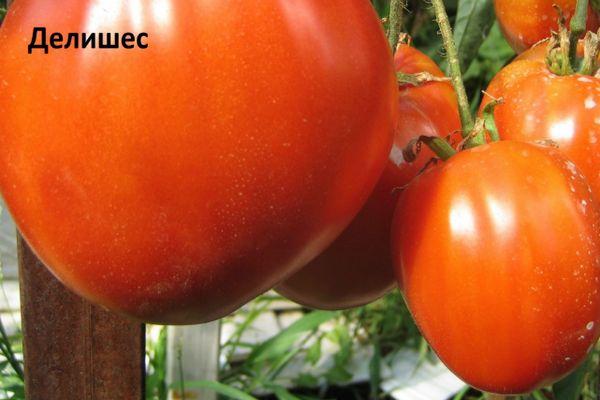
Tomato yields are 6-7 kg per square meter. Reviews of this variety are positive, as gardeners note its resistance to fungal and bacterial infections, despite the presence of other disease-affected plants in the garden.
How to grow Delicious?
To ensure a good harvest, it is recommended to purchase seeds from specialized brand stores, as only experienced farmers who obtain seeds from attractive specimens that have ripened on the bushes can build a seed bank.

Seeds are planted in the second half of March. To maintain normal germination, it's best to illuminate the seedbed with special lamps.
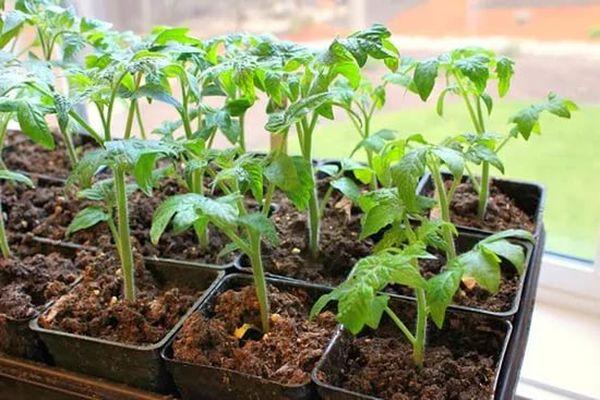
Pricking out is done when the shoots have developed 1-2 leaves. Then the healthiest and strongest seedlings are selected.
Plant seedlings in the ground at a rate of no more than 3 per square meter. Place them in the holes along with a handful of wood ash and manure. It is recommended to thoroughly water the soil before planting. Re-water the soil after a week.
It's important to note that the plant may shed its first flowers. This most often occurs due to the soil adaptation process or insufficient root development. If the first flowers don't fall off on their own, it's recommended to pluck them. Failure to do so will result in the fruit from that particular ovary being of poor quality.
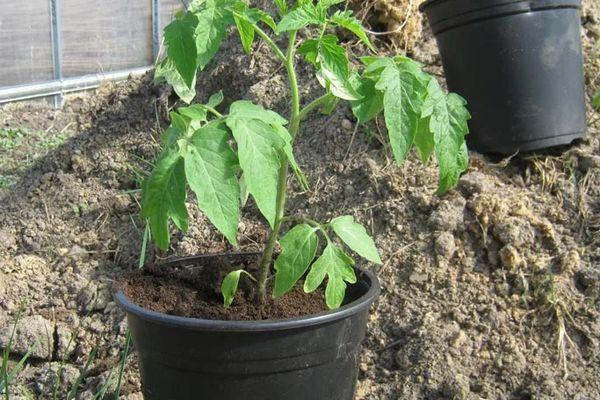
When growing a variety with large fruits, avoid using excessive amounts of nitrogen fertilizer. The giant plant begins to develop leaves and stems, but the fruits fail to set and stop ripening.
After four inflorescences have appeared on the tomato plant, the top of the plant should be pinched to prevent it from growing upward. This is usually done in mid-August. It's best to leave two ovaries. It's recommended to leave only two leaves above the last inflorescence on the stem. It is essential to use supports, otherwise the branches on the bushes may break under the weight of the fruit.
Tomato watering should be increased after fruit set. Failure to do so will cause the plant to shed its flowers, which could lead to crop loss.
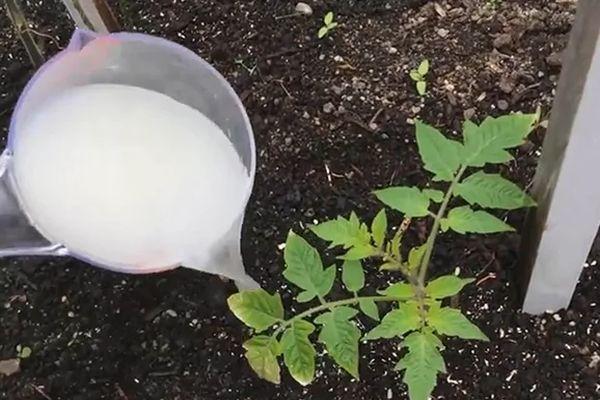
To prevent aphids from appearing on tomato leaves, it's recommended to plant basil or garlic near the plants. Once the plants begin to bloom, apply potassium-rich fertilizer every 7 days.
Water sparingly, but frequently. This prevents fruit cracking. It's recommended to always pinch off any shoots growing between the stems and branches of the plant. This allows air to circulate freely in this area, protecting the tomato plants from various diseases and allowing the fruit to ripen faster.
Related posts:
 The best grape varieties for growing in the Urals, planting and care rules in summer
 Methods for planting and propagating cherries at home
 The best methods for growing grapes from seeds at home
 Description and cultivation of the Baron Solemacher strawberry variety, planting and care
 Description of the Velika grape variety, cultivation and care tips
 Growing and caring for hazelnuts in open ground, rules for planting hazelnuts
 Characteristics and description of the Japanese Truffle tomato variety, cultivation
 Description and characteristics of the best seeds of pea varieties and types
Take a look Also