
The Pervoklaska tomato was immediately loved by gardeners and entered the top ten due to its early ripening and high yield.
Description of the tomato Pervoklaska
Characteristics and description of the variety:
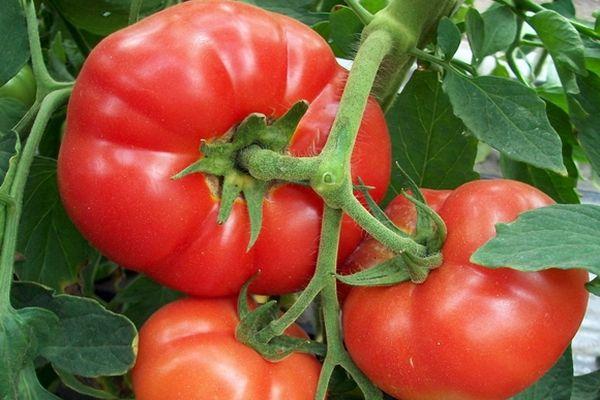
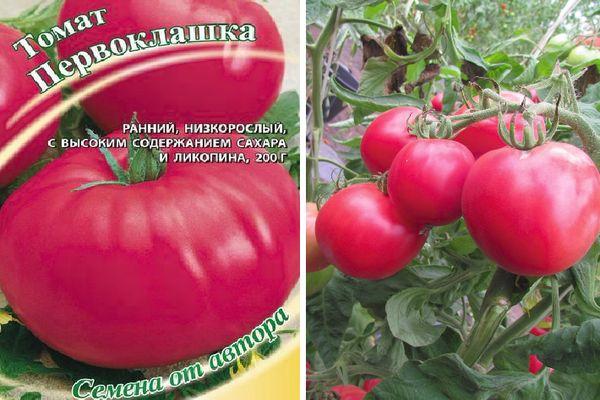
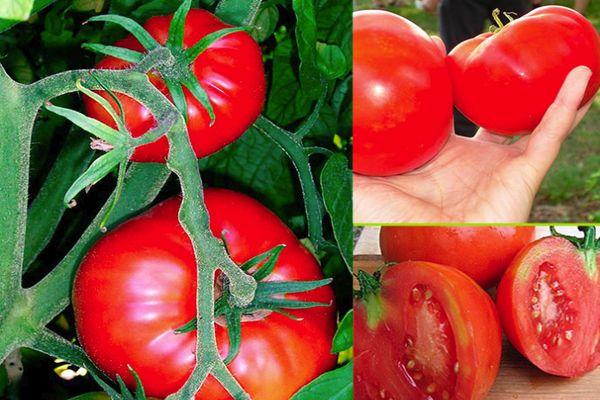
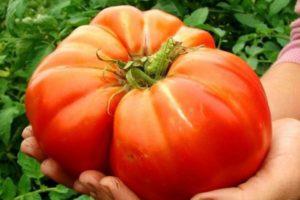
- Pervoklaska tomatoes have a bright pink color and thin skin, through which the juicy and fleshy pulp shines through.
- The weight of one tomato reaches 150-200 g.
- After the sprouts appear, large and juicy fruits ripen, growing in just 90-100 days.
- Pervoklasska is a low-growing variety. It grows in bushes that don't exceed 1 m in height.
- About 6 kg of fruit ripen on a bush.
- You can grow First-Grader tomatoes both under temporary cover and in open ground.
The fruits of this variety contain a high amount of natural antioxidants, making them especially valuable for health-conscious individuals. Thanks to this quality, Pervoklaska tomatoes are excellent for preventing prostate diseases and tumors. They can cleanse the body of toxins.
This variety is especially popular among those trying to lose weight, as it quickly fills the body and satisfies hunger. Lycopene, the substance that gives tomatoes their red color, protects the brain of older people from the onset of atherosclerosis.
The summer harvest is doubly beneficial. Tomatoes, saturated with ultraviolet rays, can flush harmful bacteria from the body and protect the skin from sunburn. For heavy smokers, it's worth noting that tomato juice breaks down tar and removes it, along with toxic substances, from the body.
Rules for growing the Pervoklaska variety
When growing tomatoes, it's important to achieve a high yield and a minimum of green leaves. To achieve this, the tomato plants are partially pinched and trained into three stems.
Before planting tomatoes in the ground, grow seedlings separately. This is painstaking work, but it pays off when the harvest comes. It's important to know that tomatoes require care. They won't grow on their own. They're a rather finicky crop, so it's important to understand the specifics of their cultivation.
Let's look at how to grow healthy and strong seedlings. They should be short and on thick stems. The more compact the seedlings, the more fruit they will produce. It's best to soak the seeds before planting to encourage them to sprout. They will appear in approximately 3-4 days.
The sprouted seed is placed in a pot with soil to a depth of 1 cm. The soil should consist of one part sand, one part humus, and two parts soil. This is the ideal environment for root development. After planting, the surface of the soil is lightly moistened to compact the seed. It is very important to note that you cannot overwater the soil, as the roots will begin to rot and the plant may die.
After the trunk and leaves have formed (about a week later), the first feeding is done. It's very easy to prepare: dilute 10 grams of dry yeast and 4-5 tablespoons of sugar in a liter of water. After waiting a few hours for the yeast to begin to multiply, water the plants.
If you notice yellowing of the leaves, it means the plant is lacking potassium. Potassium fertilization can be done 14-15 days after the yeast fertilization. To prepare the potassium fertilizer, take a 3-liter jar and dissolve 1 cup of wood ash in boiled water. After 24 hours, all the unnecessary elements will sink to the bottom, and the beneficial ones will dissolve in the water. The finished solution will have a slightly yellowish color. For the potassium fertilizer, dilute the solution 1:10 and water the plant.
After transplanting the seedlings into the ground (plant them 60 cm apart), don't fertilize them at first, as they need time to adjust to their new location. Fertilize every 15 days. After fruit formation, fertilize the plants only with potassium and nitrogen fertilizers. Potassium is what gives tomatoes their sweet taste.
Watering should be done no more than once a week. Once ripe red tomatoes have formed on the bushes, fertilizing and watering are stopped to avoid spoiling the taste of the fruit.
Reviews from those who have planted this variety indicate that the seeds sprouted as early as four days after planting. The photo and description of the tomatoes on the seed packaging are entirely consistent with the results.
Related posts:
 80 Best Eggplant Varieties for Different Regions with Descriptions and Characteristics
 How to propagate and grow peas, cultivation technology, and care in open ground
 Description of blight-resistant tomato varieties for open ground and greenhouses
 What to cook for New Year 2020: a new and exciting menu for the holiday table
 Description and characteristics of the best seeds of pea varieties and types
 The best eggplant varieties for growing in a polycarbonate greenhouse: planting and care
 Description of the best pepper varieties for greenhouses and open ground in 2025
 Description of the best, most productive and new varieties of cucumbers for 2025