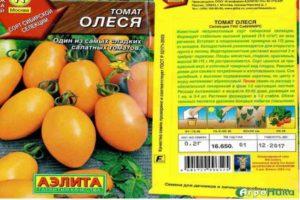
Many gardeners are interested in how to grow the Slavyanin tomato, a variety they found described online. The Slavyanin tomato is a mid-season variety, meaning it ripens 110-115 days after the first shoots emerge.
What is the Slavyanin tomato?
Specifications:
- The plant is determinate and produces 3 to 5 kg of yield per 1 m².
- If you plant tomatoes in a greenhouse, they will grow somewhat taller than those planted in open ground.
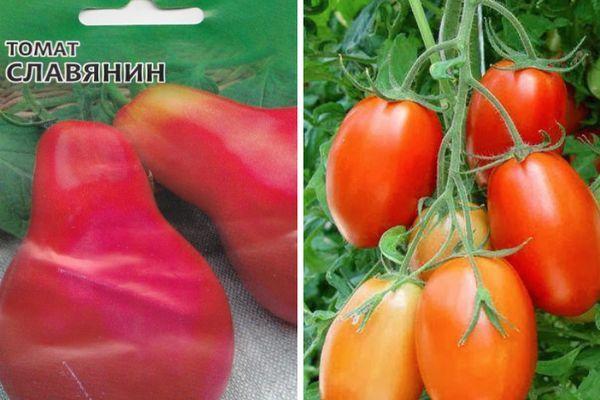
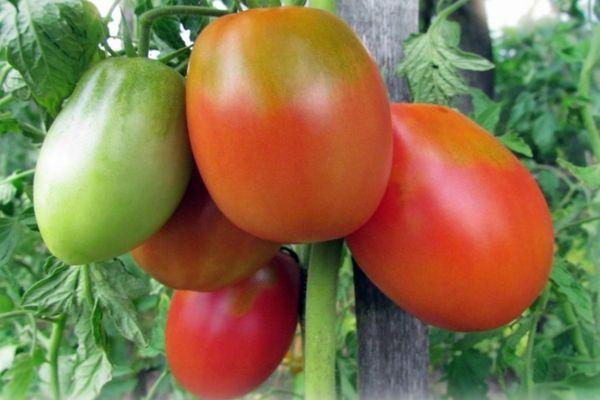
- The fruits are pear-shaped, the weight of 1 tomato varies from 100 to 140 g.
- Colour: crimson.
- The dense skin, which is not prone to cracking, makes tomatoes suitable for pickling.
- Gardeners' reviews of this variety are positive.
How to grow tomatoes?
The best time to sow tomato seeds is in late March or early April. Sowing follows the standard method. The seeds can be germinated first in a moist medium or planted directly into the soil. In either case, before sowing, the seeds should be tested for germination. To do this, soak them in salted water for a while. Healthy, viable seeds will sink to the bottom, while empty ones will float to the surface. These can be discarded immediately. Manufacturers typically quote a germination rate of 95-98%, but experience has shown that the results are lower.
The soil should contain peat, ash, and sand. After sowing, cover the container with plastic wrap or glass and leave it in a warm place until the first shoots appear. There's no need to water the planted seeds; you can simply keep the soil moist by lightly misting them with water from a spray bottle.
For a plant to grow and thrive, it needs sufficient light and warmth. Daylight and sunlight are ideal. If these are not available, provide artificial lighting.
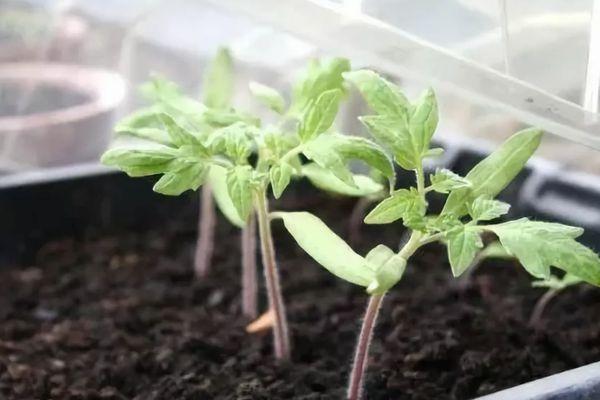
Once the seedlings have strengthened a bit and at least 3-4 leaves have appeared, they can be pricked out. It's best to transplant them into a plastic container from which they can be easily removed without damaging the roots. Two weeks before planting, the seedlings need to be hardened off. This is done by gradually moving the plants from a warm room into the fresh air.

It's best to plant tomatoes in the ground after frost. The plant should have at least 6-7 leaves.
The tomato planting site should be bright and airy. It's best to plant tomatoes in a spot where cabbage or cucurbits were grown. This is because soil tends to become depleted, and vegetables absorb its nutrients differently.
Ten days before planting, the soil should be prepared. Water the soil with a copper sulfate solution (1 tablespoon per bucket of water). Approximately 1.5 liters of this solution is needed per square meter. After this, the soil is enriched with humus, ash, urea, and superphosphate. The soil is thoroughly dug over, and the holes are prepared.
The planting depth should correspond to the size of the cup the seedlings were growing in. It's best to plant the plant in the evening or on a cloudy day. This will allow it to adapt to the new conditions more quickly.
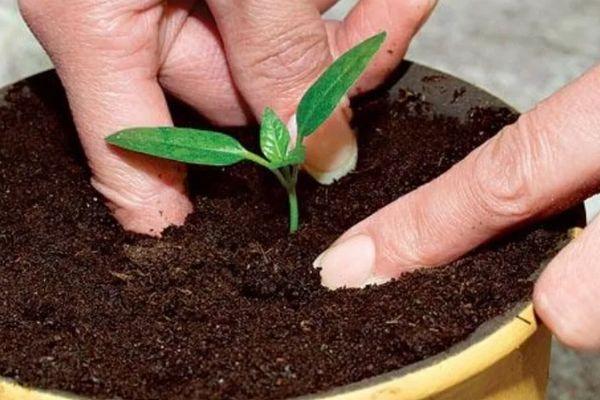 Tomatoes don't like frequent watering. The soil needs to retain moisture, so it's mulched. The soil around the roots is plowed periodically to provide more space for the root system to develop.
After the first fruit appears, the bushes should be pinched to ensure the full strength of the plant is transferred to the fruit. Regarding staking, this plant, regardless of variety, needs support; this will promote better growth.
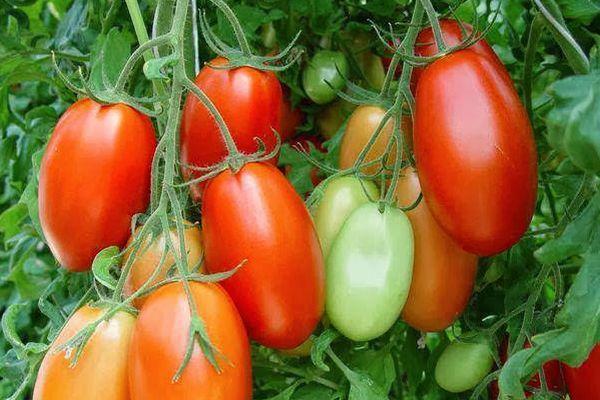
To fully understand the characteristics of the Slavyanin tomato, you can read reviews from gardeners, including some new to the hobby. People note its excellent taste, good yield, and long-term storage. They also point out the need to tie the bushes to a support.
Related posts:
 Carrot care guidelines for outdoor cultivation to ensure a good harvest
 Is it possible to grow an apricot tree from a seed in your garden? How to plant and care for it?
 How to properly grow a peach tree from a seed at home, planting and care
 How to propagate and grow peas, cultivation technology, and care in open ground
 The best eggplant varieties for growing in a polycarbonate greenhouse: planting and care
 The best grape varieties for growing in the Urals, planting and care rules in summer
 80 Best Eggplant Varieties for Different Regions with Descriptions and Characteristics
 Planting and caring for cherries, feeding and growing rules