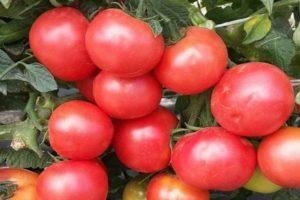
Subarctic tomatoes can be transported long distances without damage. This variety can be stored for a long time in a cold room. Subarctic tomatoes are used for canning whole fruits, making juices, and various sauces, ketchups, and tomato paste. In summer, these tomatoes are used in salads.
Characteristics of the variety
The characteristics and description of the Subarctic tomato are as follows:
- The plant has a determinate bush type. Its stem height does not exceed 0.4–0.45 m.
- A single bush can produce 15 to 25 fruits from simple inflorescences. The full growing season of this tomato lasts 82 to 90 days.
- The plant's fruits are spherical. Each specimen contains 2-3 seed chambers. The skin on the fruits is medium-thick, allowing them to be stored for long periods and transported without changing shape.
- The weight of each fruit is from 40 to 50 g, and their color is red.
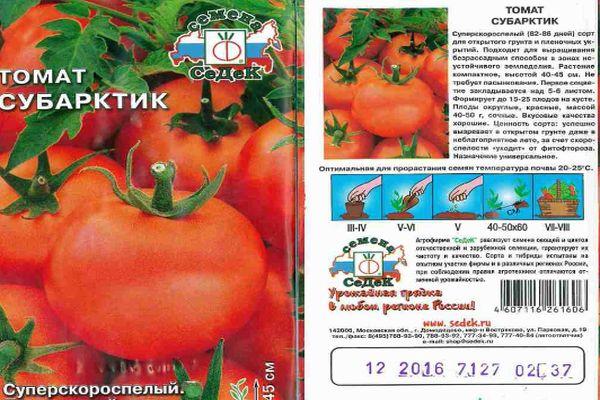
Reviews from gardeners who have planted the Subarctic variety in question show that with proper planning and implementation of agricultural practices, tomato yields reach 7-8 kg of fruit per 1 m².
If the crop is planted in a greenhouse, the yield can increase to 8.5–9 kg per square meter. Some farmers who have grown these tomatoes for several years report that the bushes produce fruit before the widespread development of late blight.
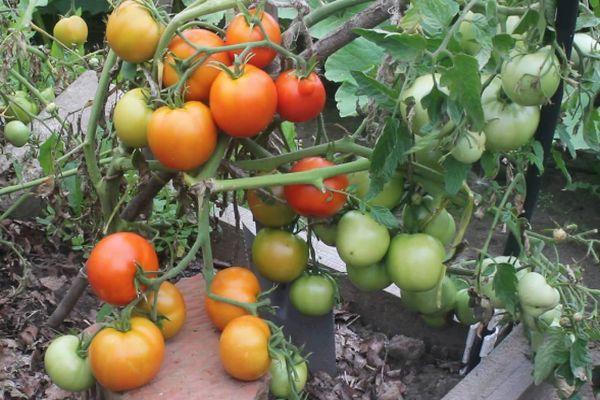
To protect tomatoes from other diseases, it is recommended to spray the bushes with chemicals in a timely manner. It has been noted that the fruiting of the Subarctic variety is not affected by weather conditions. The fruits appear almost simultaneously, allowing for quick harvesting.
This tomato variety can be planted outdoors, but in northern regions, greenhouses are recommended. In central Russia, this tomato can be planted in late March or early April, when the soil is sufficiently warm.

How to plant and grow the described variety?
Tomatoes are most often grown from seeds, and then the seedlings are transplanted into permanent soil. Subarctic tomatoes can be grown directly in prepared soil, but seedlings help prevent fungal diseases. To ensure good germination, seeds are treated with a potassium permanganate solution or aloe vera juice after purchase. This helps boost the plants' immunity.
The seeds are sown in boxes, germinated, and then, once the seedlings have developed 2-3 leaves, they are pricked out. This is necessary to prevent the stems from bending. One to two weeks before transplanting the seedlings to their permanent soil, they are hardened off. On the first day, the seedlings are taken outside for 15 minutes, and then the hardening time is gradually increased. On the final day, the hardening process lasts about 8 hours.
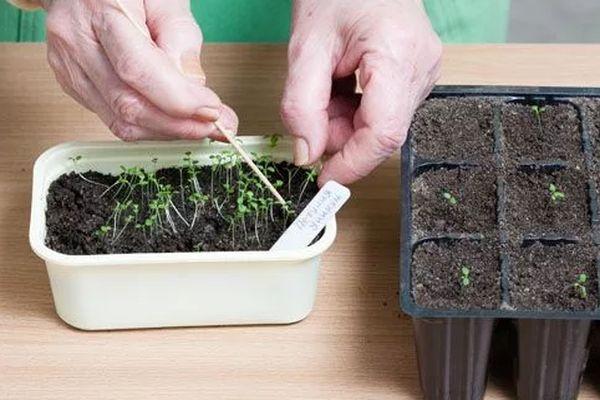
When transplanting tomatoes to permanent soil, it's recommended to plant no more than 8-9 plants per square meter. Tomatoes require proper care to thrive. Because of their small size, removing side shoots isn't necessary, but watering with warm water is essential. This is most often done early in the morning or after sunset.
To prevent insects from infesting tomato roots, regular weeding is recommended. To ensure a constant supply of fresh oxygen, loosen the soil under the plants and hill them up every two weeks.
Fertilizing of stems is carried out using organic (peat, manure) and complex mineral (superphosphate, potassium salts, ammonium nitrate) fertilizers.
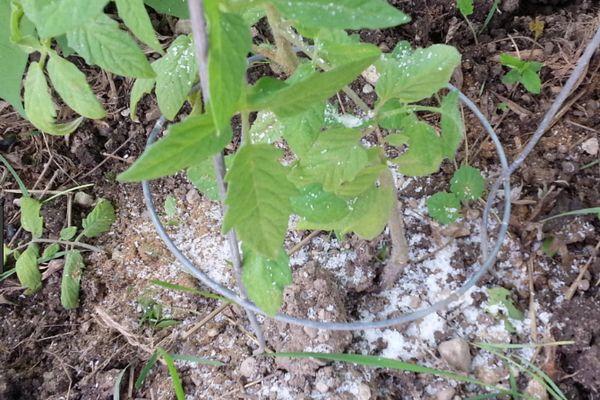 To protect against insects such as aphids, Colorado potato beetles, nematodes, and various types of caterpillars, it is recommended to use special chemicals that destroy garden pests and their larvae. You can also use folk remedies to combat pests, for example, soapy water.
Related posts:
 The best grape varieties for growing in the Urals, planting and care rules in summer
 80 Best Eggplant Varieties for Different Regions with Descriptions and Characteristics
 Planting and caring for cherries, feeding and growing rules
 Carrot care guidelines for outdoor cultivation to ensure a good harvest
 The best eggplant varieties for growing in a polycarbonate greenhouse: planting and care
 Description of varieties of sowing peas and cultivation, to which family they belong
 Methods for planting and propagating cherries at home
 Description and cultivation of the 15 best cherry plum varieties for the Moscow region, planting and care rules