
The Juggler f1 tomato belongs to the group of early-ripening hybrids. It is planted both in open ground and in greenhouses. Juggler tomatoes can thrive in adverse weather conditions. The tomato is resistant to various diseases that affect nightshade crops. Juggler tomatoes are eaten fresh and used in salads. They can be processed into puree, juice, or paste. Any experienced farmer is confident that when I plant Juggler tomatoes, I always get uniform, beautiful berries that are well suited for winter canning.
Briefly about the plant and its fruits
The characteristics and description of the variety are as follows:
- The vegetative period of hybrid development from germination to fruit production lasts 90-95 days.
- The height of the tomato bush does not exceed 0.6 m. A small number of small, simple leaves, colored in dark shades of green, form on the stem.
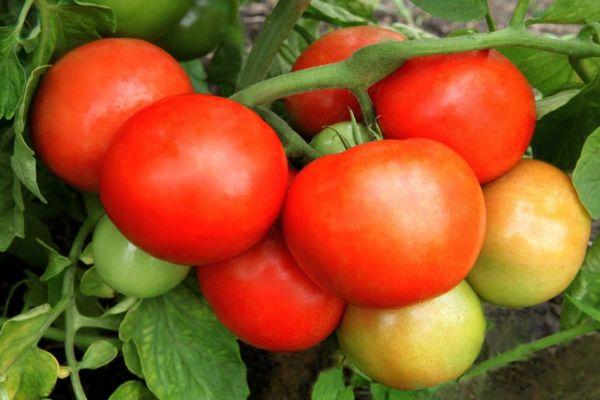
- Fruit description: They resemble a sphere, flattened at the top and bottom. They grow in clusters of 8-10 berries. Slight ribbing is visible on the stalk.
- The fruit weighs between 0.13 and 0.15 kg. Ripe berries are a rich shade of red. The flesh is juicy and fleshy, with a high density. The fruit contains numerous seed chambers.
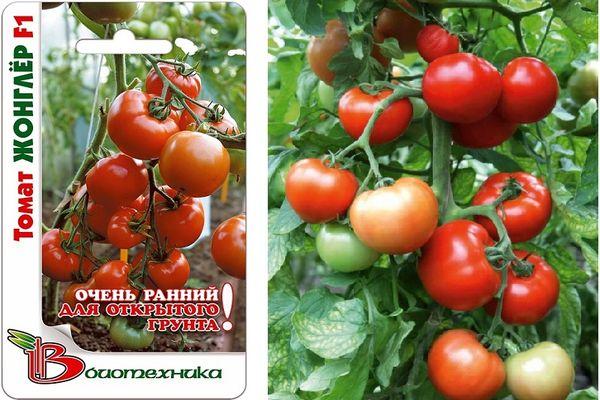
According to reviews from gardeners who have grown this variety, the hybrid yields 8-9 kg of fruit per square meter of garden bed. To grow a large harvest, it's important to fertilize the plants in a timely manner using various methods. The first method involves applying fertilizer directly to the root system, while the second method involves foliar feeding.
The hybrid's fruits can withstand long transportation. They are often harvested at the stage of technical maturity. The berries are then left to ripen at room temperature.
Growing tomatoes in different ways
First, purchase hybrid seeds and disinfect them with potassium permanganate. Then, weed out any low-quality specimens. To do this, place the seeds in a bowl of warm water and leave for 2-3 days. Discard any that float to the surface. Seeds can be planted in the ground after being treated with a growth stimulant solution. They are sown in separate containers filled with peat and humus. Maintain a room temperature of 24 to 25 degrees Celsius.
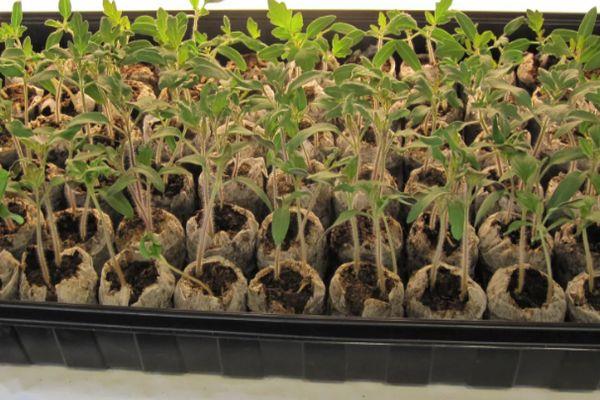
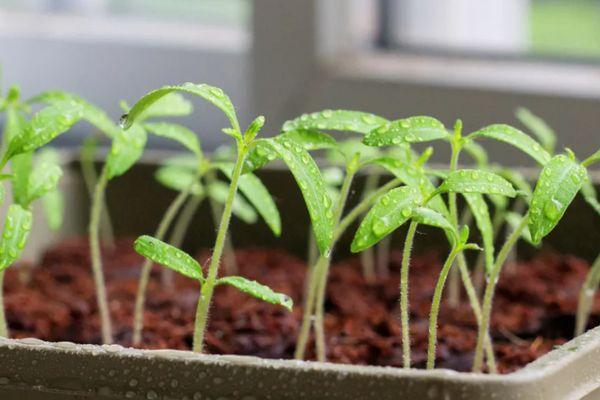
Water with warm water. Sprouts appear within a week. After developing 1-2 leaves and picking, the seedlings are transferred to 8-10 cm diameter pots. The young plants are transplanted into a greenhouse or outdoor area, after adding a solution of complex mineral fertilizer to the soil.
The planting format for young bushes is 0.5 x 0.5 m. There is no need to remove side shoots or install supports for this tomato variety.
You can also use a method without growing seedlings. To do this, plant the seeds directly into well-heated beds, fertilized with plenty of humus. The soil is then watered with warm water and covered with transparent film. When the sprouts appear, they are fed with nitrogen fertilizers. Then, throughout the growing season, the tomato plants are fed with organic and mineral mixtures.
Plant care and pest control
Juggler is a first-generation hybrid, so it's highly resistant to viral infections. To prevent the tomato from becoming infected, some preventative measures are recommended.
Before planting in a permanent location, treat the soil with copper sulfate or a weak solution of potassium permanganate. It is recommended to periodically treat the bushes with products that kill fungi and bacteria. Fitosporin is most often used for this purpose.
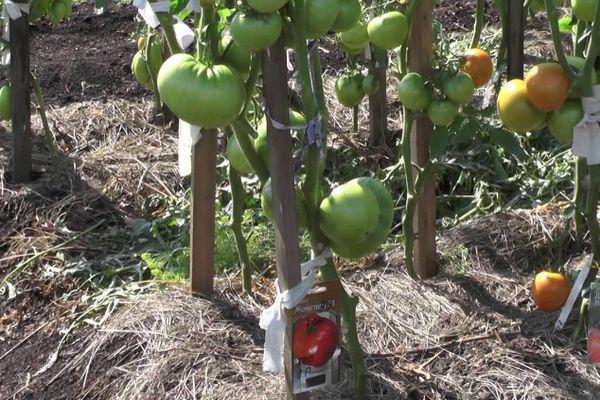
To prevent blossom-end or root rot, weeding is done 2-3 times a week. Loosening the beds helps increase plant resistance to disease. This is due to the increased flow of oxygen to the tomato roots.
Take a look Also

Jugglers should be watered moderately with warm water. This should be done in the evening, after sunset. The frequency of watering depends on the ambient temperature. Most tomatoes are watered twice a week.
If Juggler's bushes are grown outdoors, there's a risk of pest attacks. Colorado potato beetles, aphids, and other insects destroy both the plants and their fruit.
 To combat parasites and their offspring (larvae, caterpillars), breeders recommend using industrially produced toxic chemicals.
The bushes are treated several times. The interval between each spraying is 2-5 days. If the farmer doesn't have these products, it's recommended to treat the Juggler's leaves with copper sulfate or a soap solution. If slugs appear, repel them from the bushes by adding wood ash to the soil. If this doesn't help, treat the beds with ammonia.
Related posts:
 Description of the Krasotka grape variety, planting and care technology
 Description of the Julian grape variety, planting and care instructions
 Description of blight-resistant tomato varieties for open ground and greenhouses
 Description of the Elematis Pink Fantasy variety and pruning group, planting and care
 Description of the best varieties of black tomatoes for open ground and greenhouses
 A brief description of the Betta tomato, growing seedlings and pest control
 35 Best Powdery Mildew-Resistant Cucumber Varieties with Descriptions
 Description and pruning group of clematis Ernest Markham, planting and care of the hybrid