
The Betta tomato was developed by Polish breeders. It belongs to a group of early-ripening hybrids. They are grown in greenhouses and open beds. Betta tomatoes do not require side shoots or staking. This hybrid is used to make salads, tomato juice, and is also eaten fresh. Among the varieties of this plant, the Lux tomato is considered the most delicious, with firm flesh, abundant juice, and a sweet flavor.
Briefly about the plant and its fruits
The characteristics and description of the variety are as follows:
- The first harvest of hybrid fruits occurs in June, 84-95 days after planting the seeds.
- Betta tomatoes have a bush up to 0.5 m high, with a medium number of green leaves developing on the stem.
- One hybrid brush can produce 4 to 6 tomatoes.
- The fruits are shaped like slightly flattened spheres. The hybrid's stalk has slight ribbing. The skin is smooth, dense, and does not crack. This allows the harvest to be transported over long distances.
- The fruits are bright shades of red, weighing between 40 and 50 grams.
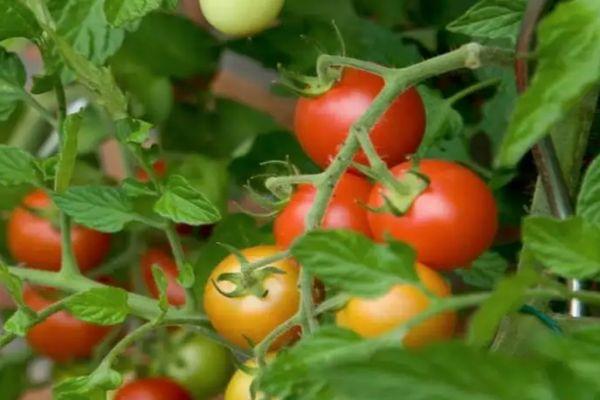
Reviews from farmers who have planted this variety indicate that its yield is 1.5-2 kg per bush. A full description of the hybrid can be found in agricultural catalogs.
In Russia, gardeners living in the southern regions of the country can grow tomatoes in open spaces. In the central and northern regions, greenhouses or hotbeds will be needed to plant and grow the hybrid.
How to grow seedlings yourself
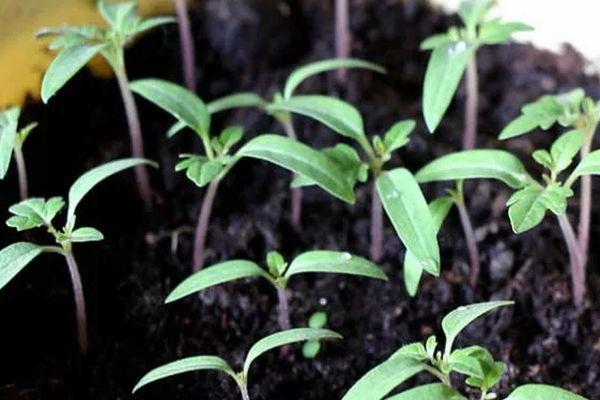
In March, you should purchase seeds and disinfect them with potassium permanganate, hydrogen peroxide, or aloe vera juice. After this, plant the seeds in special tomato soil. Seedlings will appear within a week. To ensure rapid growth, it is recommended to provide them with supplemental lighting. The temperature in the rooms containing the seedlings should be maintained between 20 and 25°C.


The seedlings are watered regularly (twice a week) with warm water. A moderate amount of liquid is used for this purpose. The seedlings are fed with mullein and ash once every 5 days. To ensure oxygen reaches the roots, the soil in the containers is loosened. The seedlings are pricked out when two leaves appear. Hardening off the young plants before planting them in the ground is recommended.
After 60 days, the plants are transplanted to their permanent location. Holes 6-7 cm deep are prepared for the seedlings. Humus, wood ash, and peat are added to the holes. Up to 5 hybrid bushes are planted per 1 square meter of bed.
This operation is carried out on a cloudy day. Before planting in the designated areas, breeders recommend treating the soil in the beds with a strong solution of potassium permanganate. This will eliminate the risk of fungal infection.
After transplanting, young bushes are fed with nitrogen and organic fertilizers 8-10 days later. After two weeks, the plants are watered with a copper sulfate solution to prevent certain diseases affecting nightshade crops.
Tomato care and pest control
To ensure a bountiful harvest, water the plants with warm water that has been left to stand in the sun. Apply a moderate amount of water to each plant. This process is performed after sunset or before sunrise.
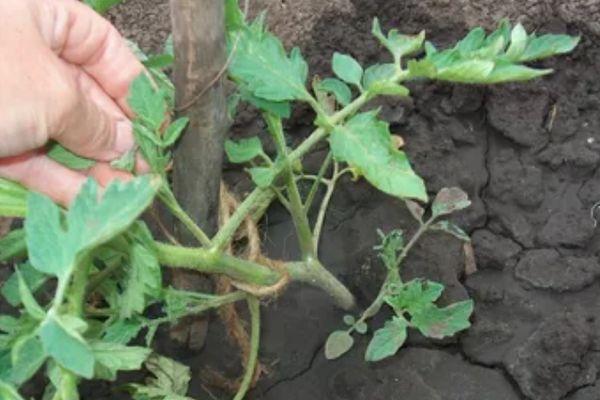
Fertilize tomatoes every 14-15 days. Alternate mineral mixtures containing nitrogen, phosphorus, and potassium with organic fertilizers (manure, peat).
Loosen the soil around the bushes weekly. This prevents oxygen deprivation and strengthens the seedlings' immune system. Weeding and loosening the soil also eliminates the risk of fungal infections from weeds and kills root parasites.
Beta tomatoes are not susceptible to late blight, as they produce fruit before the onset of the disease season. However, various fungi and bacteria are dangerous for the hybrid. To combat white spot, treat tomatoes with Bordeaux mixture. This should be applied three times, with 9-10 days between applications.
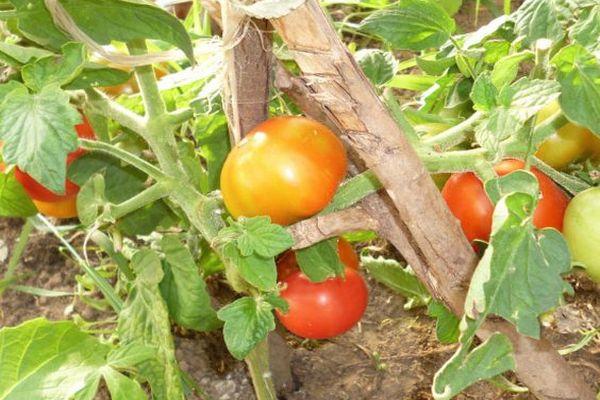
Blossom-end rot is combated by destroying diseased fruits and additional watering of the berries remaining on the plant.
Among garden pests, spider mites, aphids, and slugs are considered dangerous for the hybrid.
To combat insects, use the product "Aktara," and slugs and caterpillars are collected by hand and then burned outside the garden. To exterminate parasites, you can use a folk remedy, such as treating the bushes with onion peels.
A decoction is prepared by steeping 20 grams of onion peel in 1 liter of boiled water. The bushes are watered with this remedy three times, with 10-day intervals. When the onion appears in the beds click beetle and its larvae Pieces of chopped potatoes treated with a chemical poison are scattered everywhere.
Related posts:
 Description of the Krasotka grape variety, planting and care technology
 Description of the Julian grape variety, planting and care instructions
 The best grape varieties for growing in the Urals, planting and care rules in summer
 35 Best Powdery Mildew-Resistant Cucumber Varieties with Descriptions
 Descriptions and names of varieties and the best types of radish, planting and care
 Description of the Elematis Pink Fantasy variety and pruning group, planting and care
 Description and pruning group of clematis Ernest Markham, planting and care of the hybrid
 Methods for planting and propagating cherries at home