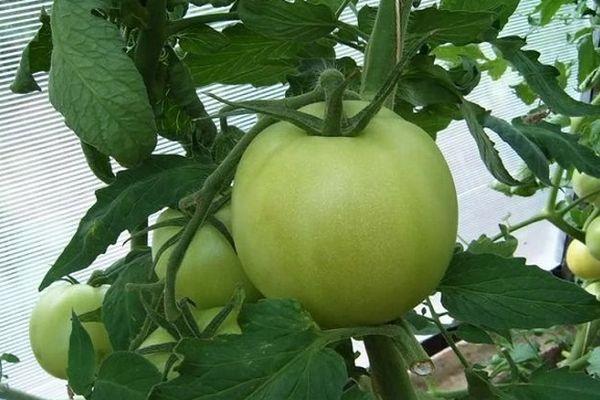
The Antonovka Honey tomato attracts gardeners with its unusual color. This tomato belongs to a group of domestically bred tomatoes. The fruits are not intended for mass consumption. They will satisfy only those gourmets who seek a distinctive flavor.
Green tomato Antonovka honey
This is a mid-season variety. To obtain a fruit ready for consumption, it takes up to 112 days from planting the seeds. Gardeners who have tried this vegetable agree on its high yield. The plant's characteristics provide a clearer picture of this new product.
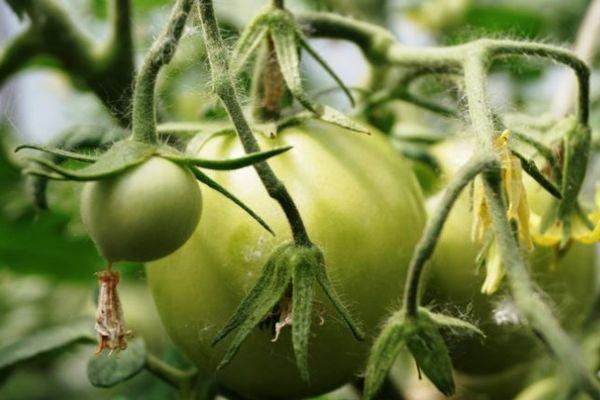
This is a determinate tomato. Fruits require staking and removal of side shoots. This variety of tomato is versatile, as it can be grown both outdoors and in greenhouses. In the open field, the bush reaches a height of 130 cm. In greenhouses, it grows up to 150 cm. The fruit is characterized by:
- rounded shape;
- light green in color with small yellow veins;
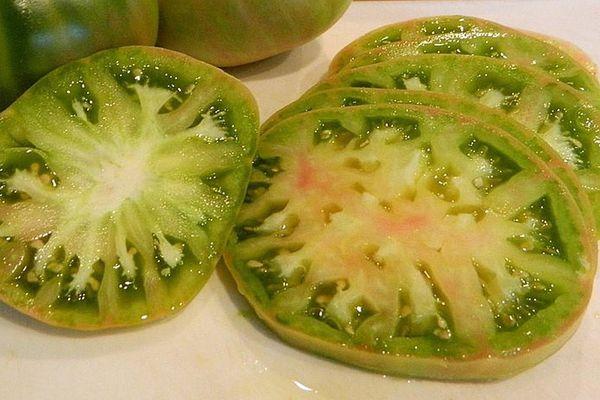
- pink flesh.
The advantages of tomatoes include a fairly high yield, good shelf life and preservation during transportation.
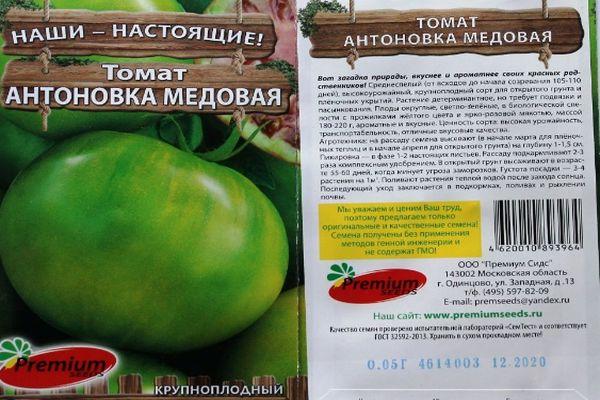
Among the disadvantages are:
- need for tying;
- instability to late blight;
- the need to break off the lower leaves to minimize the risk of fungal growth.
The variety description points to a distinctive feature of the plant—a distinct honey flavor. This has led to mixed reviews from gardeners. However, this quality doesn't prevent the fruit from being used for canning.
Rules for growing and caring for tomatoes
Seeds are planted in late March or early April. The location of the garden bed is taken into account. If the garden bed is open, the seeds are planted later. Before sowing, the soil is fertilized with a combination of organic and mineral nutrients. Trays should be clean and disinfected with an antiseptic. After the shoots emerge and become established, they are thinned out. Any non-viable or diseased plants are discarded.

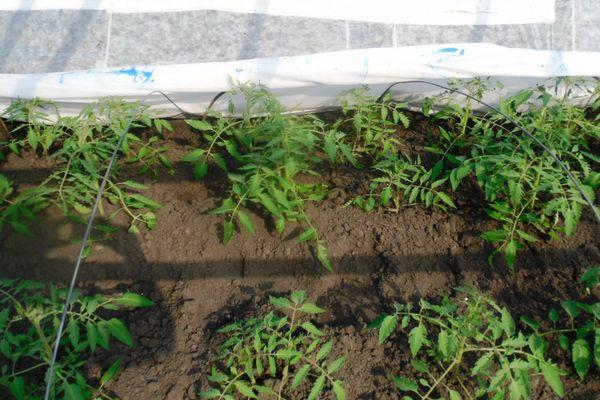
Tomato growth should be monitored. When several true leaves appear, transplant them. At this time, apply the second fertilizer to the soil. The third fertilizer application will not be necessary until 60 days after the first shoots emerge.
During plant development, it's essential to systematically loosen the soil. This not only promotes air exchange but also prevents the development of various diseases.
It's crucial to water tomatoes with warm water. Cold water can kill the plant. It's best to let it sit. Water the vegetables after sunset. This is when tomatoes receive the optimal amount of moisture. It's important to remember that sunlight not only causes water to evaporate quickly but also burns any leaves that come into contact with it.
Two weeks before transplanting the seedlings into open ground, they are hardened off. To do this, they are taken outside for 15-20 minutes during the first few days and left there for several hours on the 10th day after germination.
These plants are ready for planting in the garden, as they have developed immunity to temperature and humidity fluctuations. Before planting the seedlings, the soil is pre-treated with liquid fertilizer. It is recommended to place no more than 4 bushes per 1 m² of area.
Preventing late blight and other diseases, of which there are several dozen, is crucial. Prevention begins before planting seedlings. Plants are treated with special solutions. While no single treatment can completely eradicate late blight on tomatoes, it is possible to halt its progress and save existing fruit.
Related posts:
 The best eggplant varieties for growing in a polycarbonate greenhouse: planting and care
 Growing and caring for hazelnuts in open ground, rules for planting hazelnuts
 Description and rules for growing Solaris grapes
 Causes and treatment of eggplant pests and diseases, how to combat them at home
 Is it possible to soak treated cucumber seeds before planting and how to do it correctly?
 The benefits and contraindications of lentils for the human body
 How to plant walnuts, care for them, and grow them at home
 Technology for growing corn in open ground and greenhouses, planting and care