
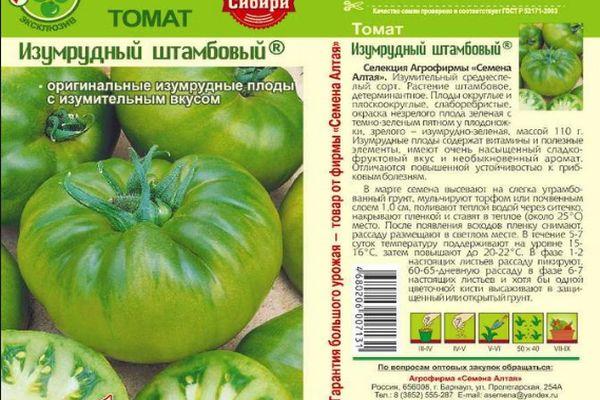
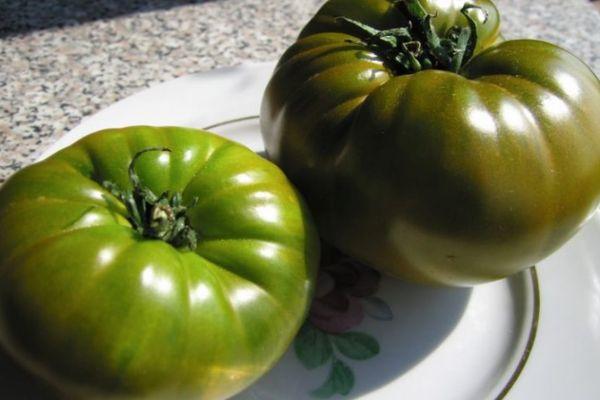
Such a beautiful name Emerald tomato The tomato is called standard because of its unusual emerald color. A dark green spot near the stem gives it a special charm. The fruits are large, weighing approximately 110 g each.
What is the Emerald standard tomato?
Let's look at the variety's description and characteristics. Consumers are accustomed to eating red tomatoes, while green ones are associated with unripe fruits or those suitable only for canning. The Emerald variety, while green when ripe, retains its flavor and is suitable for both fresh and pickled consumption. These tomatoes are very aromatic and have a fruity, sweet taste.
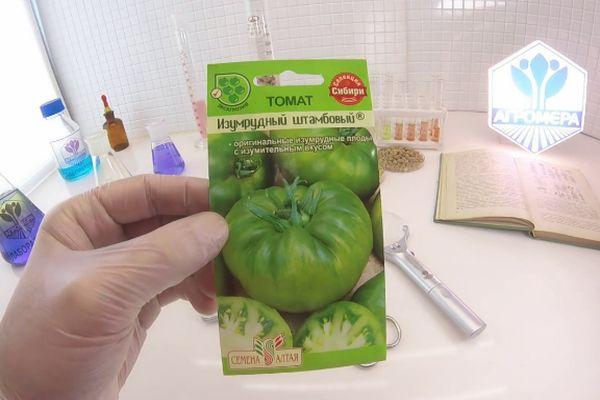
This variety was developed by Russian breeders and, thanks to its excellent taste, was included in the State Register of Vegetable Crops. It is intended for cultivation in open ground, but experience has shown that it can also be planted under plastic cover.
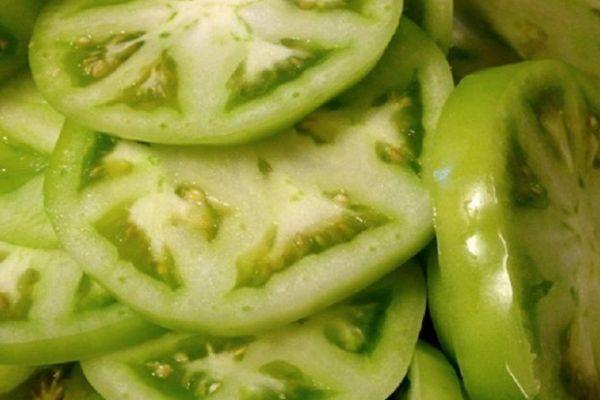
The plant's bushes are of the simple type. The leaves are velvety and dark green. The fruits are typically round and slightly flattened. Slight ribbing is visible near the stalk. Tomatoes can have more than six chambers. The flesh is also green. Up to 6 kg of yield can be harvested from 1 m².
Many people find the skin of this variety too thick and rough for fresh consumption, but emerald tomatoes are ideal for canning and long-distance transportation.
How to grow tomatoes?
Seed planting is done using the standard classical method. It is no different from sowing seeds of the red variety.
For planting you will need:
- special substrate or soil containing peat, sand and ash;
- convenient plastic container;
- a warm room or heated place with a temperature of at least +25 ºС;
- film for covering planted seeds.
Emerald is a standard variety. This means it's low-growing, with a robust root system and stem. Standard tomatoes produce abundant fruit and an excellent harvest.
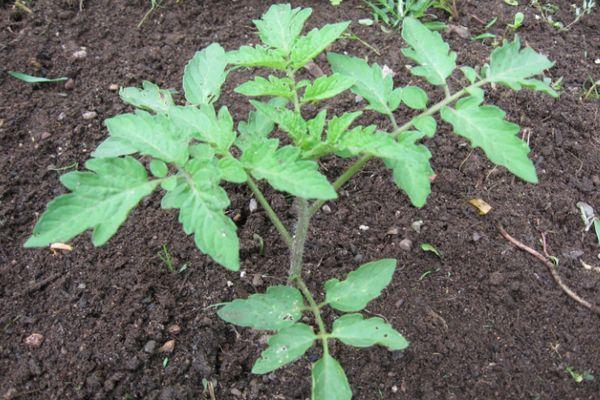
When planting, you need to follow some rules:
- Even if you completely trust the manufacturer, it is better to disinfect the seeds in a solution of potassium permanganate or hydrogen peroxide.
- The same applies to the soil: to avoid possible diseases and get rid of insect pest larvae, the soil needs to be warmed up or watered with a solution of potassium permanganate.
- After transplanting into the ground, tomato seedlings, regardless of variety, are tied to a support. Fabric strings are used to prevent damage to the stems and trusses.
- It's important to fertilize the roots regularly. Typically, fertilization is done 2-3 times during the growing season.
- Hilling and weeding of the soil cannot be ignored. For this crop, this is a very important procedure, which promotes the formation of a strong root system, improves drainage, controls weeds and prevents diseases.
- Mulching is a useful technique when growing tomatoes. It prevents weed growth and also nourishes the soil. Humus is commonly used as mulch.
- Equally important is pinching out side shoots, which determines the quality of the variety and the yield of the harvest. Side shoots should be removed as they appear and not allowed to grow more than 2 cm.
Reviews of the variety are positive. For example, one experienced gardener shared an interesting story. She had started planting tomato seedlings in the garden, but the seeds scattered. She hadn't expected them to sprout. But she was pleasantly surprised when, after some time, seedlings began to appear, followed by inflorescences.
This review suggests that standard tomatoes can be planted not only as seedlings but also directly in open ground. However, I had to replant the plant and build a homemade greenhouse over it to ensure it would thrive and survive.
Related posts:
 The best grape varieties for growing in the Urals, planting and care rules in summer
 Description and characteristics of the best seeds of pea varieties and types
 The best eggplant varieties for growing in a polycarbonate greenhouse: planting and care
 80 Best Eggplant Varieties for Different Regions with Descriptions and Characteristics
 Description of the Velika grape variety, cultivation and care tips
 How to propagate and grow peas, cultivation technology, and care in open ground
 Descriptions of the 20 best cherry varieties for the Moscow region, their planting and care
 What varieties of tomatoes are best to plant in a polycarbonate greenhouse?
