
The modern, early-ripening Snow Leopard tomato was bred for cultivation in the colder regions of the country. However, it can also be grown in the south and in the Moscow region, yielding a bountiful harvest of beautiful fruit. This tomato is suitable for both open ground and any type of greenhouse.
Main characteristics of the plant
Snow Leopard tomatoes are a determinate variety. The bushes rarely exceed 60 cm in height, and the stems prunate themselves after 4-6 clusters have formed. For increased yield, it's best to train the tomatoes into 2-3 trunks and tie them to a trellis. When training into a single trunk, dense planting can be achieved, with 4-5 bushes per square meter.
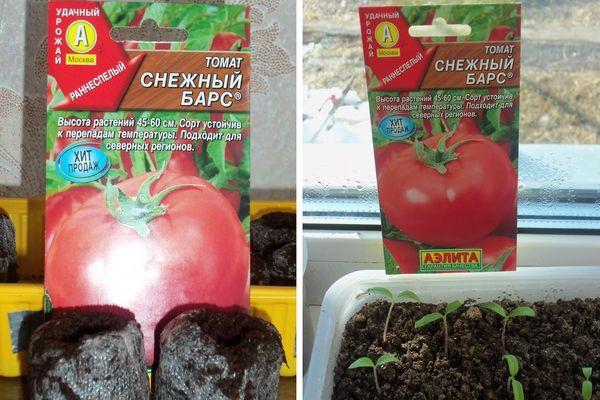
The variety yields approximately 4 kg of tomatoes per bush. This figure remains virtually constant, depending on cultivation method and weather conditions. These tomatoes tolerate sudden cold snaps well and recover easily from stress.
Fruit ovaries form even in hot weather, and the tomato doesn't suffer from overdrying soil. For busy gardeners who only visit their plots once every 5-7 days, this variety is very convenient, as it requires no maintenance at all.
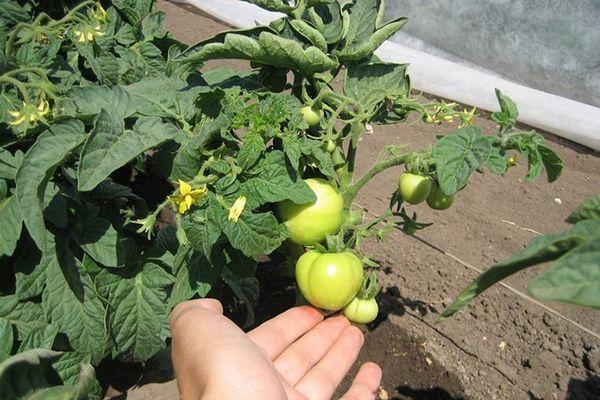
Snow Leopard tomatoes are resistant to late blight, which often appears on plantations during cold summers. The variety is not susceptible to other fungal infections or tobacco mosaic.
Snow Leopard tomatoes will delight you with their first harvest 95-100 days after germination. The ovaries on the cluster are uniform in size and ripen evenly. Fruiting ends quickly, and the entire crop can be harvested within 2-3 weeks. These characteristics make Snow Leopard tomatoes ideal for winter storage.

Description of the fruit variety
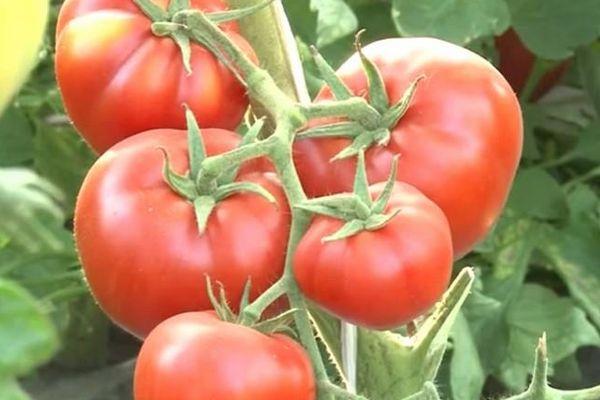
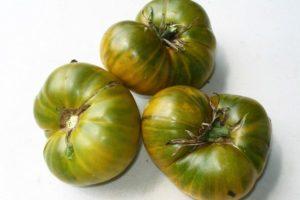
A cluster produces 4-6 fairly large, attractive tomatoes. The average fruit weight is 120-150 g; very large tomatoes are almost never produced, regardless of care. The tomatoes are flat-round in shape, with 3-5 smooth ribs at the base.

The skin is thick and strong, and the berries are resistant to cracking. The harvest is fully preserved even with excessive rainfall. The tomato skin effectively protects the ripe fruit from wilting and spoilage during storage and long-distance transportation.
They don't burst during canning, giving marinades and pickles an attractive appearance. Ripe berries are bright red, while at the milky stage they are light green, with a dark spot near the stem.
The pulp is firm and juicy. The fruit contains 3-4 large seed chambers with numerous grains. The fruit walls are thick and dense.
The taste is average. The flavor is classic tomato, sweet and sour. Vegetable growers report that overwatering can cause the tomatoes to become watery, but moderate watering makes them very tasty and has a strong aroma.
Early tomatoes are best enjoyed in salads, sliced, and as summer snacks. Snow Leopard tomatoes are excellent for stuffing and baking. Their firm flesh and thick skin allow them to retain their shape during cooking.
Snow Leopard tomatoes are also suitable for various winter preserves. Calibrated tomatoes are great for canning whole, pickling in barrels, and adding to vegetable platters. They retain their shape and texture well, and do not soften in any type of preparation. Snow Leopard tomatoes can also be used to make a variety of snacks.
Processing into juice is possible when there is a large quantity of very ripe tomatoes of this variety. To make the juice thicker, tomatoes should be mixed with fleshy varieties or the squeezed juice should be boiled down thoroughly. The slightly sour taste of this product isn't to everyone's taste. For an even thicker sauce or lecho, you'll need to reduce the juice even further, which significantly reduces the yield of the finished product.
Agricultural technology of cultivation
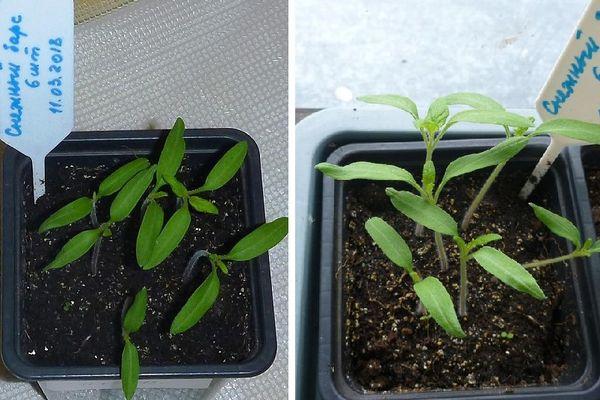
The variety's characteristics and descriptions, provided by experienced gardeners, offer a choice of growing methods for the Snow Leopard. Tomatoes can be sown as seedlings, transplanted into a greenhouse or garden beds, but they also grow well when sown directly into the ground (without seedlings). In the latter case, tomatoes can be harvested closer to the second half of summer.
Take a look Also

Early-ripening tomato seedlings should be sown 50-60 days before transplanting to their permanent location. For sowing, use a mixture of garden soil, sand, and humus, taken in equal proportions. To disinfect, thoroughly soak the soil in the container with a hot solution of potassium permanganate and leave it to cool. After this, spread the seeds over the surface and cover them with a thin layer of dry sand (0.5 cm). Germinate the seeds in a warm place (+25°C), under glass or plastic.
<span data-mce-type=”bookmark” style=”display: inline-block; width: 0px; overflow: hidden; line-height: 0;" class="mce_SELRES_start"></span>
When the seedlings develop 2-3 leaves, they can be pricked out. The sprouts are dug up and transplanted into individual containers or boxes, 10x10 cm in size. They can be planted in a greenhouse in mid-May, and in open ground in early June.
When using the direct-seeding method, seeds are sown directly into the beds (in a greenhouse or vegetable garden) in furrows. The seeds should be protected from moisture loss by covering the soil with plastic film. Once the seedlings emerge, remove the covering. Thin out the grown tomatoes, leaving 4-5 per square meter. Excess seedlings can be transplanted elsewhere.
If the soil was treated with organic matter and minerals before planting, no additional feeding is necessary: the Snow Leopard tomato has a short growing season, and it will obtain all its nutrients from the soil. To facilitate the tomato's absorption of nutrients, it needs to be watered regularly. When young, the soil beneath the bushes should not dry out more than 1 cm. By the time the tomato plants begin fruiting, the root system is already well developed, so drying out the top 2-3 cm of soil will not affect the plant's vitality.
If rainfall is infrequent, fruiting tomatoes should be watered with cool water, preferably in the morning. Water should be applied directly to the roots; avoid pouring water on the leaves. Using water that is too cold and using sprinklers promotes the growth of various fungi.
Related posts:
 Description of the best varieties of black tomatoes for open ground and greenhouses
 What varieties of tomatoes are best to plant in a polycarbonate greenhouse?
 The best eggplant varieties for growing in a polycarbonate greenhouse: planting and care
 The best tomato varieties for growing in the Leningrad region for greenhouses and open ground
 Description of the best tomato varieties for open ground in the central zone
 80 Best Eggplant Varieties for Different Regions with Descriptions and Characteristics
 The best grape varieties for growing in the Urals, planting and care rules in summer
 Descriptions of the 20 best cherry varieties for the Moscow region, their planting and care
A good variety with dense, sweet, and delicious flesh. It's easy to care for, but I've noticed that the results are better with additional fertilizing. BioGrow, then the fruits are a little larger, and the plants are not as susceptible to diseases.
This variety of tomatoes can be grown in open ground and can be fertilized. BioGrowThis product stimulates seedling growth. These tomatoes tolerate both frost and heat well, which is exactly what we need for our region.