
The Tsarevna Lebed tomato was bred by Russian agrobiologists. This hybrid is the result of crossing varieties and is characterized by high yields and resistance to nightshade diseases.
Benefits of Tomatoes
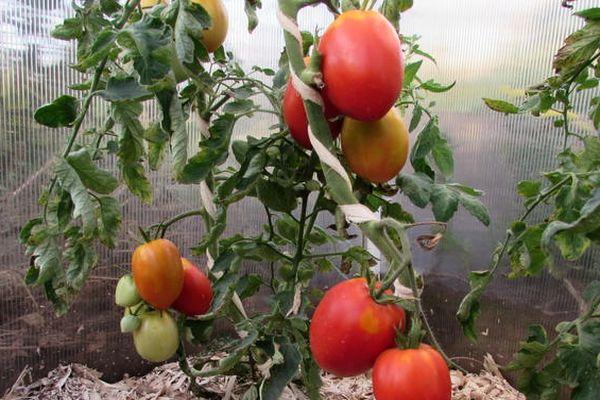
The Tsarevna Lebed F1 tomato is a first-generation hybrid, suitable for both indoor and outdoor cultivation. The bushes have a medium amount of foliage and a very attractive appearance. This determinate plant reaches a height of 150-180 cm during the growing season.
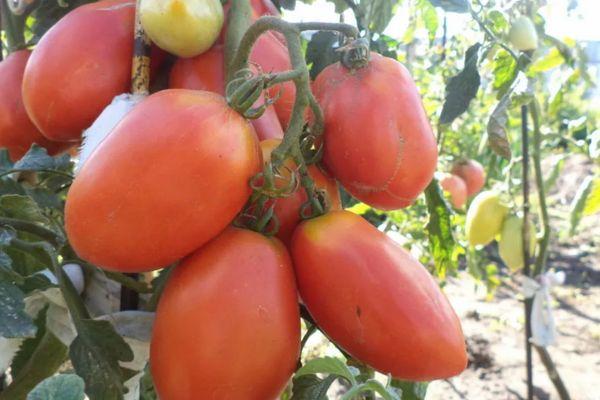
The variety's characteristics and description indicate early ripening, with 100-105 days required from germination to harvest. To maximize yield, it is recommended to train the bush into 1-2 stems.
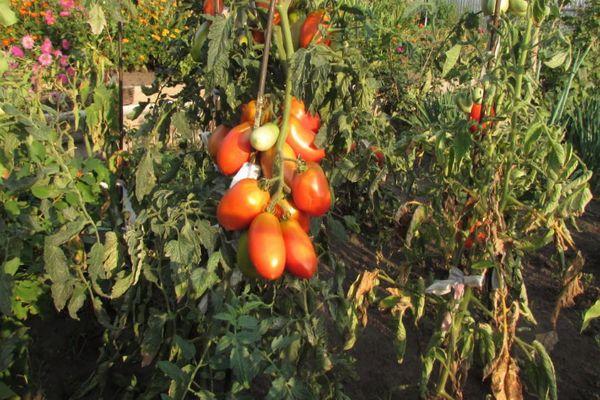
The top of the seedling is trimmed, leaving two leaves above the cluster. When grown in a greenhouse, the leaves at the bottom of the plant are removed, leaving three to four leaves at the top to protect the crop from UV rays. Tsarevna Lebed tomatoes ripen in clusters. Each tomato weighs up to 350 g. At biological maturity, the fruits are light green, and at technical maturity, they are red.
The tomatoes are elongated, egg-shaped, and have smooth skin. When ripe, the green spot near the stem is gone. A horizontal cut reveals three chambers containing seeds.
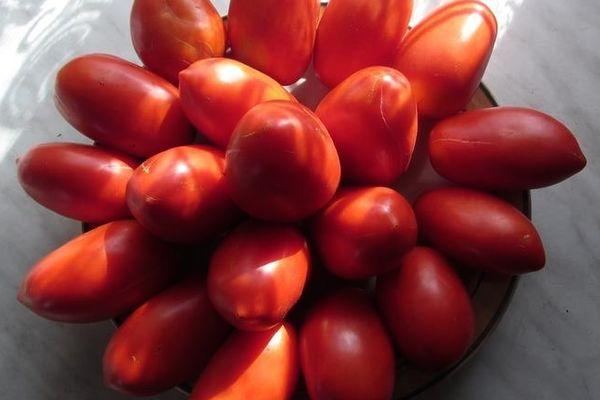
The fruit's description is based on its excellent taste. They have a distinct tomato flavor with a slight tart note. The hybrid is characterized by a consistent harvest and excellent marketability.
The variety's description indicates the plant's high productivity. With proper cultivation practices, 13 kg of fruit can be harvested per square meter at a planting density of 3 plants per square meter (4 kg per plant). In cooking, these tomatoes are used fresh, for juice, and for making pastes. The fruits retain their shape when cooked. This variety is recommended for commercial cultivation.
Vegetable growers' reviews indicate the plant's tendency to produce numerous side shoots. This allows for increased planting yields.
When growing tomatoes outdoors, gardeners note a richer aroma and flavor. The plant is resistant to tobacco mosaic virus, bacterial wilt, and Alternaria.
Agricultural technology for tomato cultivation
The hybrid is grown from seedlings. Seeds are sown 55-60 days before planting. For this, prepare a potting mix or use a ready-made substrate, which can be purchased at a specialized retailer.
The soil is poured into the containers, lightly compacted, and 0.5 cm deep furrows are made into which the seeds are spaced at intervals. The seedlings are then topped with a 0.5 cm layer of soil and watered with warm water.
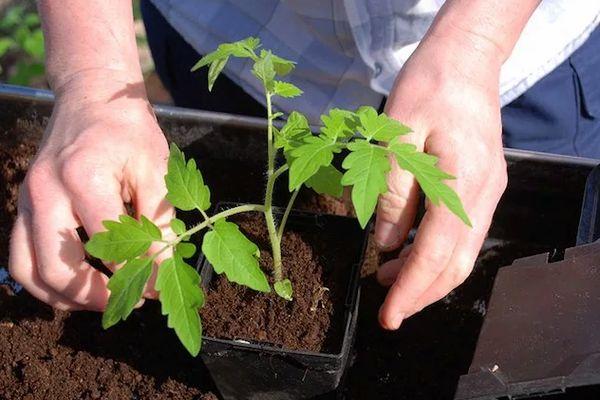
Cover the container with glass until loops appear. To ensure uniform germination, treat the seeds with an aloe vera juice solution and a growth stimulant before planting.
For normal seedling development, it is recommended to maintain a temperature of 22 to 25°C. Water the plants as the surface soil dries. Excess moisture negatively impacts the quality of the planting material and promotes disease development.
It's recommended to place the container in a well-lit area. When growing seedlings indoors, the container can be placed on a windowsill. To ensure uniform growth, periodically rotate the seedling tray toward the sun.
Two weeks after seed germination, apply a complex fertilizer according to the manufacturer's instructions. The seedlings are transferred to the greenhouse in mid-May. Before planting, the plants are hardened off to better adapt to the new conditions.
This procedure is carried out 7-10 days before planting. The plants are placed outdoors, gradually increasing the time spent outdoors from 30 minutes to several hours. The bushes are transferred to the garden bed after the end of the spring frost period.
In open ground, it is recommended to place the bushes on the sunny side. Plants are staggered, spaced 40-50 cm apart. Three bushes are planted per square meter.
Tomato care
Tomatoes are undemanding in terms of growing conditions and produce fruit with infrequent watering. By using a system of agricultural practices, you can significantly increase your yield. When caring for tomatoes, it's important to maintain moderation.
The hybrid is sensitive to excess or deficiency of moisture. Water the crop as the soil dries out. To regulate the moisture balance, mulch the soil with fiber or organic materials (hay, sawdust, leaves).
Their use prevents moisture evaporation and inhibits weed growth. Plants are fertilized three times during the season. A mineral fertilizer mixture containing superphosphate, potassium, and ammonium nitrate is applied to the roots.
During the growth and flowering period, plants need micronutrients containing magnesium and boron. Tall tomatoes require tying to a support or trellis, providing air access to the root system, and hilling.
Related posts:
 The best eggplant varieties for growing in a polycarbonate greenhouse: planting and care
 Causes and treatment of eggplant pests and diseases, how to combat them at home
 Growing and caring for hazelnuts in open ground, rules for planting hazelnuts
 When and how to properly transplant tomato seedlings, the best days in 2025
 The best grape varieties for growing in the Urals, planting and care rules in summer
 Is it possible to soak treated cucumber seeds before planting and how to do it correctly?
 Descriptions of the 20 best cherry varieties for the Moscow region, their planting and care
 The health benefits and contraindications of black currants