
The Apollo f1 tomato is a first-generation hybrid. Its characteristics are associated with excellent flavor and are suitable for all-purpose use. Reviews from gardeners indicate its popularity among vegetable growers due to its ability to be grown in any conditions.
Advantages of the variety
The Apollo f1 hybrid is a mid-early ripening tomato variety, with fruiting occurring 101–110 days after germination. The variety is included in the State Register of the Russian Federation and is recommended for cultivation under plastic covers.
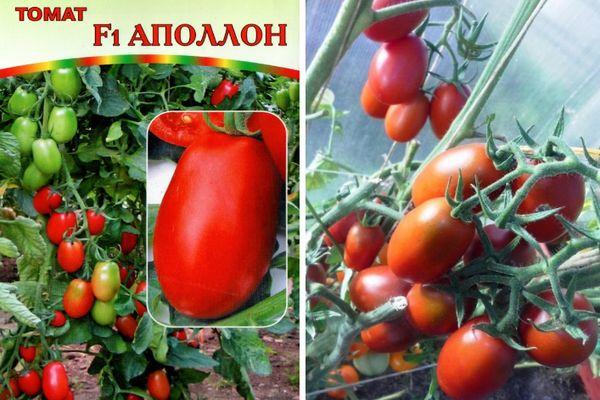
As it grows, it forms a bush over 1.5 m tall, requiring shoot removal and tying to a support. It is recommended to grow the plant as a single stem.
The tomato's leaves are medium-sized and deep green. The inflorescence is simple, bearing 9-12 red fruits of a distinctive elliptical shape with subtle ribbing on beautiful, branched racemes.
Fruit characteristics:
- Unripe tomatoes are green in color with a dark green spot near the stem.
- Ripe tomatoes are red in color, with dense flesh and sweet taste.
- When cut horizontally, 2-3 chambers with seeds are observed.
- The fruits are resistant to cracking; one tomato can weigh 90–200 g.
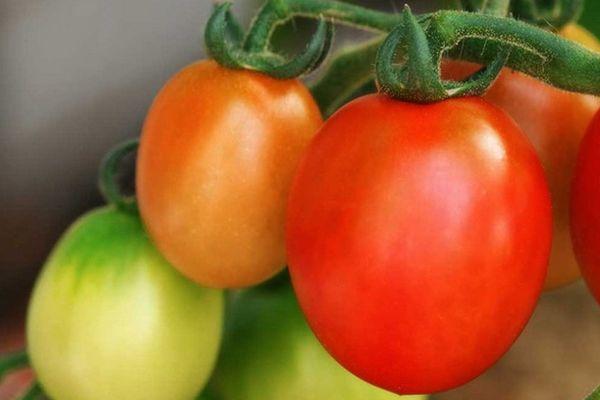
The variety description indicates a high yield, with up to 50 tomatoes ripening on a single plant. Marketable yields reach 14.1 kg per square meter.
A distinctive feature of this hybrid is its resistance to diseases, adverse weather conditions, and biological pests. When grown in greenhouses with elevated temperatures, the leaves do not curl and retain their shape. In cooking, this tomato is used fresh and for canning.
Agricultural technology of cultivation
Tomatoes are grown using seedlings. To eliminate infection, seeds are dipped in a disinfectant solution of sodium bicarbonate (0.5 g per 100 ml of water) and soaked for 24 hours. This procedure accelerates the onset of fruiting.
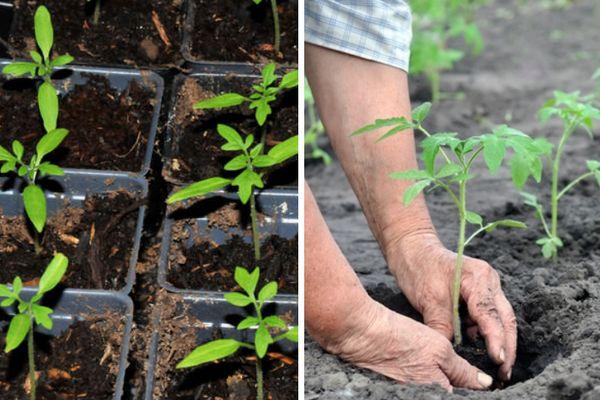
The seeds are placed in containers with pre-disinfected soil at a depth of 1–1.5 cm, spaced 2 cm apart. The more sparsely the seeds are planted, the longer the seedlings can be kept in the containers without replanting. The soil is moistened with warm water using a spray bottle, and the container is covered with plastic wrap until the sprouts emerge.
When growing seedlings, the seedlings need to be provided with a large amount of light. If there is insufficient natural light, artificial extension of daylight is required using lamps.
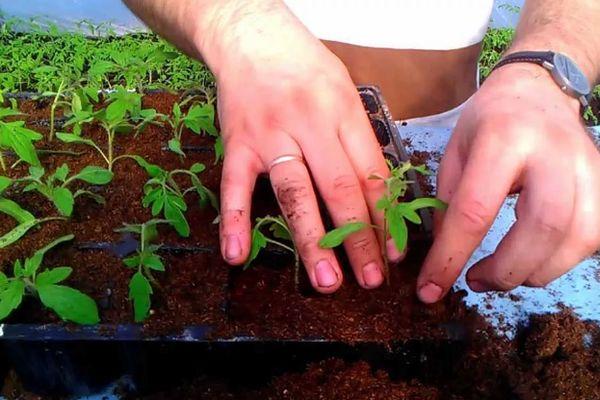
To ensure healthy seedlings develop, provide them with high humidity. To achieve this, mist the seedlings 1-2 times a day using humidifiers. The optimal temperature for seedlings is 18 to 25°C during the day and 12 to 15°C at night.
Once the first true leaf forms, transplant the seedlings into individual containers. Peat pots are suitable for this purpose, and they are then used to transport the planting material to its permanent location.
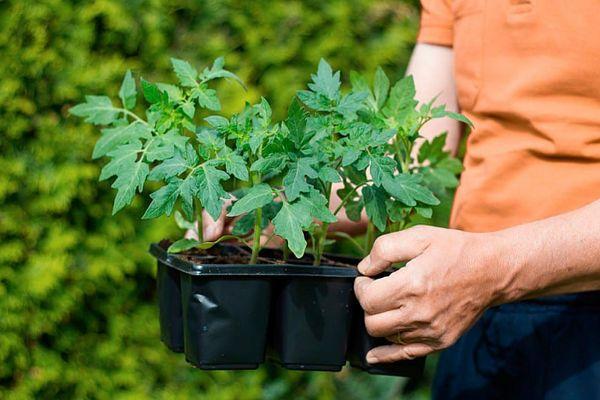
This cultivation method preserves the plant's root system and allows the crop to adapt to new conditions. Caring for the crop requires adherence to agricultural practices, including timely watering and the application of mineral fertilizers.
To increase crop yield, soil loosening is recommended. This ensures a balance of moisture and air around the root system. To control weeds, mulch the soil with grass or non-woven black fiber.
Related posts:
 The best eggplant varieties for growing in a polycarbonate greenhouse: planting and care
 Methods for planting and propagating cherries at home
 The best grape varieties for growing in the Urals, planting and care rules in summer
 The health benefits and contraindications of black currants
 How to control carrot flies with medications and folk remedies
 The health benefits and harms of cherries, rules of consumption, and their effects on the body
 Description of varieties of sowing peas and cultivation, to which family they belong
 Top 40 DIY New Year's Baking Recipes for 2020

It's a good variety; I plant it regularly, too. It's great for canning. For better fruiting and growth, I use a plant growth bioactivator. BioGrowWith it, the result is certainly much better!