
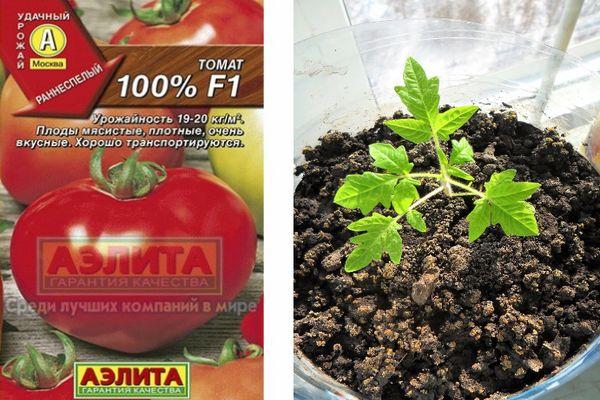
Gardeners are interested in how to grow the 100 percent F1 tomato, which vegetable growers are posting reviews of on websites. Sto Persent is a hybrid, an early-ripening variety, recommended for growing in the northern regions of the country. Those who have planted it in their gardens choose it again.
Description of the variety
Characteristics of tomatoes:
- Tomato Sto Persent belongs to the early ripening varieties.
- The harvest can be started as early as mid-summer, unlike other varieties that ripen only by August.
- Tomatoes need about 3 months from the moment the first shoots appear to produce their first fruits.
- The name of the tomato includes the letter F1, which means that this hybrid has good immunity against a number of diseases.
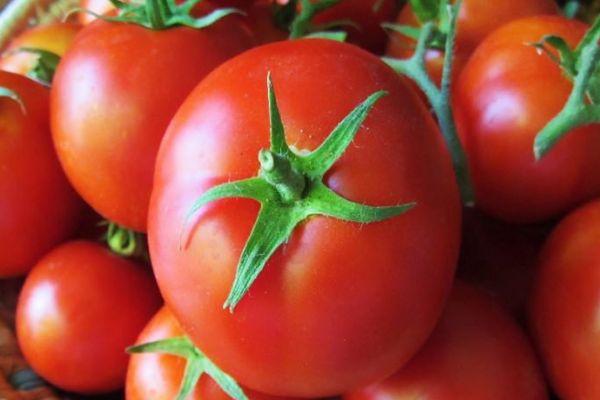
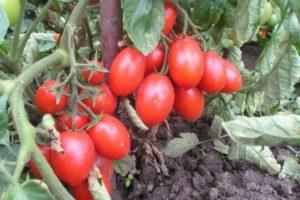
The bush grows up to 1.5 m. Therefore, tomatoes require regular staking and pinching. They are characterized by simple leaves and inflorescences. It is recommended to form a bush into 2 stems to increase the yield.
If you read reviews of the 100 percent F1 tomato, you will notice that gardeners highlight its resistance to diseases that tomatoes are usually susceptible to.
The disadvantages include the following:
- very tall bushes;
- the need to constantly feed the plant with fertilizers.
But everyone notes that the tomato's advantages outweigh its shortcomings. The fruit makes excellent juices and sauces, and they are eaten fresh, in salads, and for canning.
Before planting tomatoes, it's important to familiarize yourself with the specifics of cultivating a 100% hybrid variety. It's recommended to plant them in a greenhouse. If the summer is warm, tomatoes can be grown outdoors; however, the plants should still be covered with plastic at night.
Seedlings begin to sprout in February. Before planting, the seedlings must be soaked in a solution of potassium permanganate.
Take a look Also

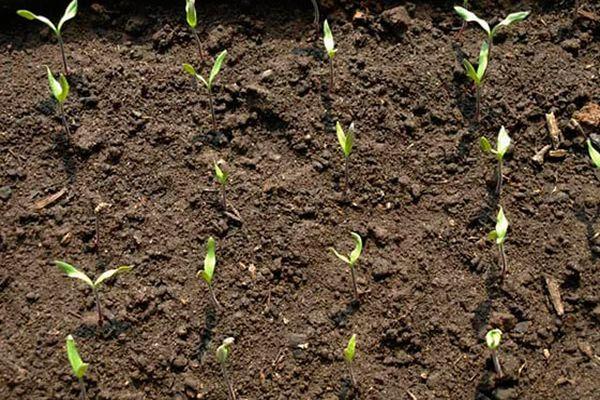
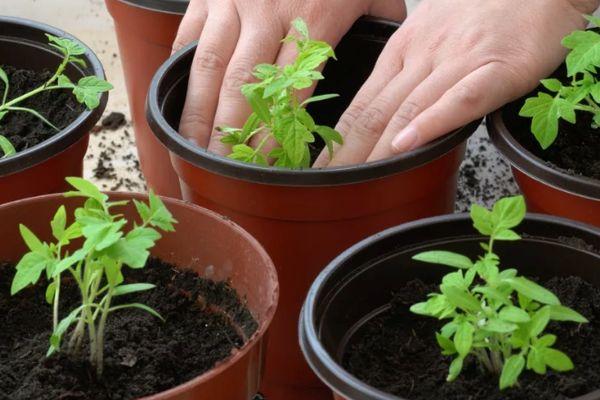
Once the sprouts have emerged, the tomatoes are transplanted into separate pots. It's important to remember about watering and fertilizing, as well as the fact that tomatoes require plenty of light for good growth, which, in most cases, will have to be provided artificially. In late April or early May, the seedlings can be moved outside to harden off.
Seedlings are planted in the ground in late spring or early summer, after the threat of frost has passed. The soil should be prepared in advance: plowed, enriched with sand, peat, and manure, and watered. After planting, tomatoes take root within a week. Fertilizer can be added when the first flowers appear.
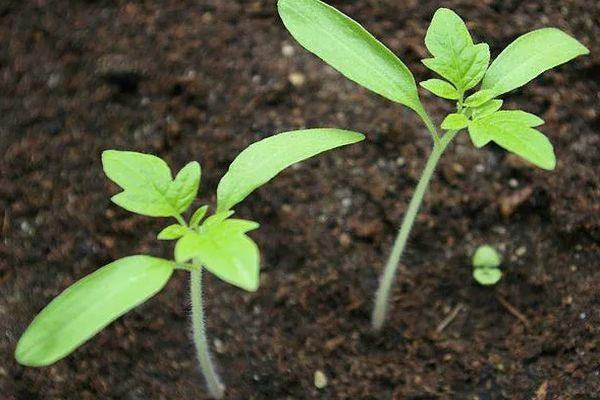
In order to ensure a 100% good harvest, it is necessary to provide it with high-quality care.
Care tips
To get a bountiful harvest, it is important to follow some tomato care tips:
- Water thoroughly twice a week, being careful not to overwater the roots. Water under the roots and directly onto the soil, using settled, warm water.
- The soil should be periodically hilled and loosened to prevent it from compacting, which could cut off oxygen to the roots. Weeds should be removed as they appear.
- The greenhouse needs to be ventilated.
- Despite their resistance to most diseases, tomatoes need to be sprayed against pests.
- It is necessary to tie up the bushes in a timely manner so that they do not break under the weight of the fruit.
- It is important to remove side shoots and remove excess leaves from the bushes as needed.
Reviews from gardeners
Olga, Rostov-on-Don:
"The tomato is quite ordinary, no different from others. I planted it last year and the yield was average, and it didn't get sick. The tomatoes are good, even, tasty, and have a tart flavor. The bushes grew large, so I had to tie them up to keep them from falling over."
Sergey Nikolaevich, Moscow:
"I liked the hybrid; I planted it the year before and last year. I'm not sure about this year, but I'll probably try it again. The yield is small, but it's livable. I got enough to eat, jar, and send to my son. It was a four-hour drive, and I got everything back in one piece. I'm happy. The bushes are a bit too big, though, which is inconvenient."
Tatyana, Chelyabinsk:
"It's a lot of work to maintain, but the payoff is good. I haven't seen any bad tomatoes on the vines—they've all been put to good use. They're quite tasty, but they're very reminiscent of store-bought ones. I'd like something a little more original. I'll try planting them again this year."
Related posts:
 How to plant grapes step by step, with a description of the process and care
 How to properly plant peas in a greenhouse and open ground
 How to propagate and grow peas, cultivation technology, and care in open ground
 How to control onion flies using natural and chemical methods
 Description of varieties of sowing peas and cultivation, to which family they belong
 How to combat powdery mildew on onions using folk and chemical remedies
 13 Best Peach Varieties for Central Russia, Planting and Care
 Recipes for cold, hot, and original appetizers for the New Year 2020