
Black tomatoes were created by crossing large-fruited and wild tomatoes. The Black Moor tomato, bred in the Moscow region, was added to the State Register in 2000. The variety was created through selective breeding, without genetic modification. This variety invariably attracts attention with its chocolate hue. Besides its exceptional appearance, these tomatoes are delicious. It's no surprise that they can be found almost everywhere today. Their tolerance to low temperatures allows them to be grown in greenhouses in northern regions, although the variety was originally intended for cultivation in Russia's southeastern regions.
Description of the variety
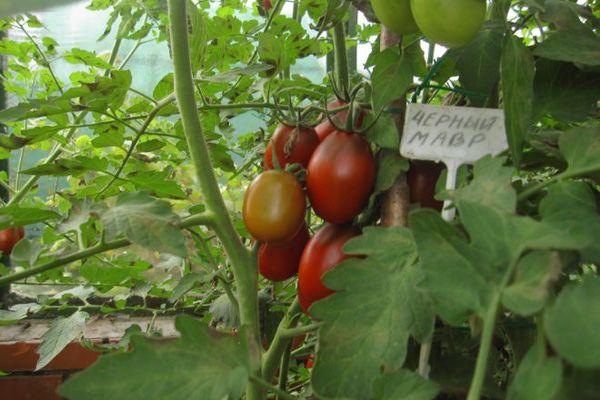
The semi-determinate tomato variety Black Moor grows up to one and a half meters tall. The plant forms several branches densely covered with green leaves.
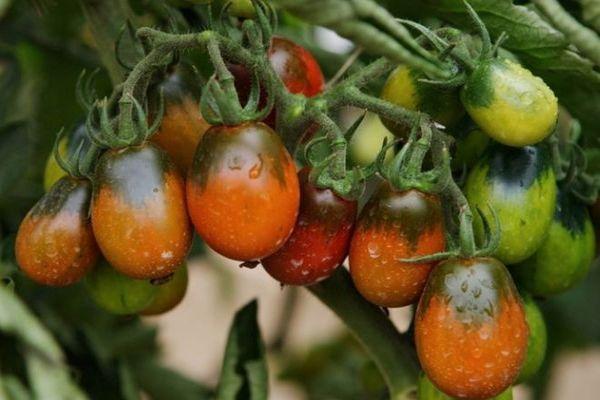
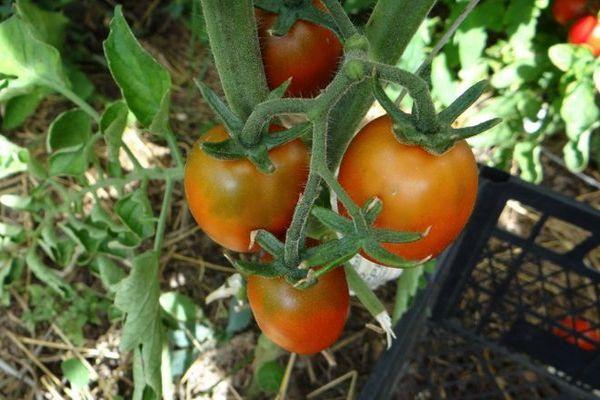
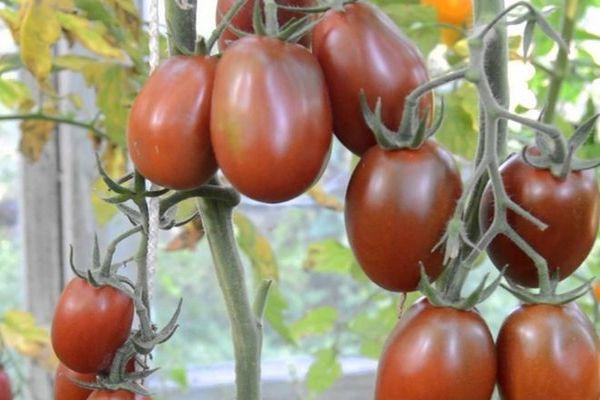
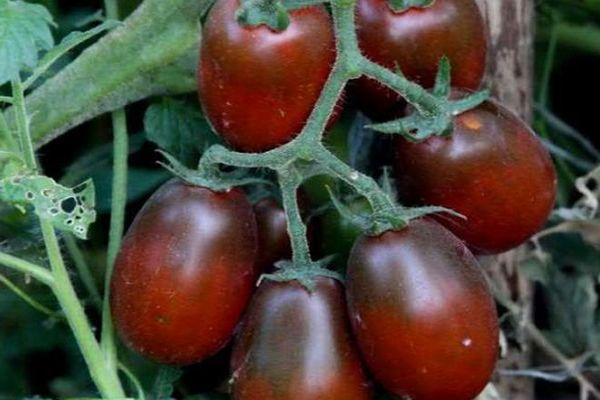
The bush produces clusters of 7–18 fruits, weighing up to 50 g. The dense, sweet-tart flesh is covered with a thick skin. Two seed chambers with a small number of seeds allow the tomatoes to be used both fresh and canned.
The Black Moor's yield is quite high: 5–6 kg of fruit are harvested from one square meter.
Growing
The best time to sow seeds is in late March, having prepared the containers well in advance. You can use plastic containers, wooden crates, paper cups, peat pots, plastic trays, cut-down plastic bottles, or milk and juice cartons. Paper cups and peat pots allow you to plant the seedlings along with the containers.
The seeds can be placed in a ready-made substrate purchased at the store, or you can prepare your own mixture. To do this, combine peat pellets and coconut fiber, or compost and turf soil. Add peat or sawdust to loosen the soil.
Hardening off the seeds by storing them in the refrigerator for several days increases the plants' resistance to temperature fluctuations. To prevent disease, the seeds are treated with a weak solution of potassium permanganate, then washed and planted no deeper than 2 cm, maintaining a two-centimeter gap between them. Water immediately after sowing and two days after the sprouts emerge. The containers are covered with glass or plastic and placed in a room maintained at 25 degrees Celsius.

Excessive soil moisture and low room temperatures lead to seed rotting.
After the tomatoes sprout, remove the covering from the containers. The seedlings are pricked out to a distance of 5 cm after two leaves have formed. Weekly watering and provision of good lighting are recommended.
Before transplanting the seedlings to their permanent location, take them outside for 2-3 hours for several days. The day before planting, leave them outdoors without watering.
Plants should be replanted once the risk of frost has passed. Black Moor tomatoes thrive in a sunny, wind-free location. The soil should be tilled and fertilized in the fall, and watered with warm, settled water before planting.
The characteristics of tomatoes provide for two methods of planting:
- According to the 60x30 scheme.
- Double-row tape. This method places the seedlings in a staggered pattern, with the space between pairs of rows increasing.
- Nesting. 2–3 bushes fit into one hole.
Care Features
Black Moor tomatoes require pinching, staking, and disease prevention. Side shoots should be removed until the fruit ripens. Adequate watering will help grow strong plants, focusing on this until fruit set. Afterward, the tomatoes require watering once a week.
Weeds are removed regularly to prevent soil depletion and reduced yields. Bushes are hilled and sprayed with special preparations for preventative purposes. It is also recommended to disinfect the soil with fungicides, lime, and copper sulfate.
The Black Moor tomato care instructions include mandatory fertilizing of seedlings with organic and mineral fertilizers in the amount of three times until the fruits appear.
Advantages and disadvantages
Advantages of the Black Moor variety:
- ability to grow in greenhouse conditions, under film covers, and in open ground;
- resistance to temperature changes;
- easy to harvest due to the cluster growth of the fruits;
- high yield;
- The small weight of the fruit and its thick walls allow the use of tomatoes for whole-fruit canning;
- transportability due to dense pulp;
- easy to care for.
Along with their undeniable advantages, black tomatoes are not without their drawbacks, including susceptibility to diseases and pests. Some who have planted Black Moor tomatoes are not thrilled with their noticeable sourness.
Pests and diseases
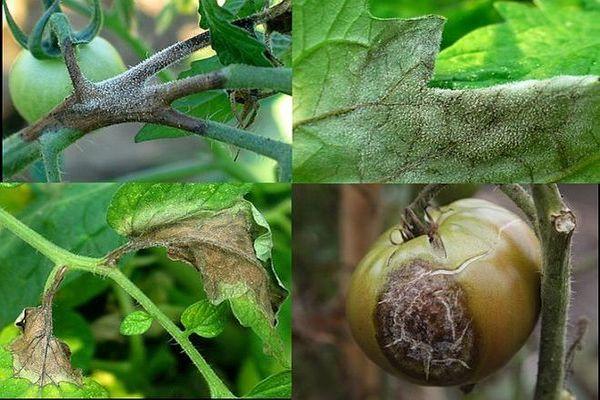
Black Moor tomatoes have shown moderate resistance to common diseases. Fungal diseases pose the greatest risk to this variety, and can be prevented by maintaining crop rotation and treating the plants with specific pesticides.
The fight against late blight is based on the application of phosphorus-potassium fertilizers and spraying plants with a solution of Bordeaux mixture.
If spider mites appear, immediately spray the plantings with Karbofos or an infusion of garlic, liquid soap and dandelion leaves.
To get rid of caterpillars, manual collection and deep autumn digging of the soil are recommended.
Whitefly can be destroyed by spraying tomatoes with Confidor.
Harvesting and storage
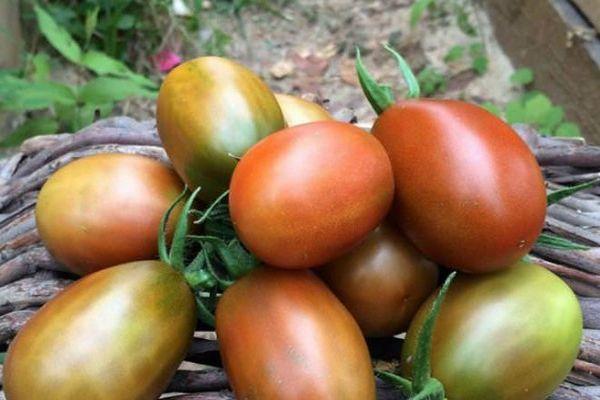
Black Moor tomatoes are ready for harvesting 115 days after germination. Unripe tomatoes are picked and placed in a warm, dark place for 3-5 days. These tomatoes do not withstand long-term storage. Frequent picking of ripe tomatoes stimulates the ripening of the remaining tomatoes. Harvesting continues until October.
The unique appearance and exotic flavor of the Black Moor are highly prized by consumers. The fruits are ideal for everyday consumption, sliced, used in appetizers, salads, canning, pickling, and other winter preparations. This variety is also attractive for garnishing and decorating various dishes.
Agricultural technology for growing tomatoes Black Moor allows cultivation of the crop not only by private gardeners, but also by small farmers.
Gardeners' reviews
Reviews from owners of private plots:
Oksana:
"I've been wanting to try a black variety for planting for a while now, and I settled on the Black Moor because of its compact fruits—I love pickled tomatoes. I appreciate not only the unusual color but also the inimitable flavor. I grew the tomatoes in a greenhouse, and this year I planted them in the beds."

Irina Mikhailovna:
"The Black Moor has brightened my garden. My grandchildren were so impressed, they often ran under the bush to pick tomatoes. The mixed vegetable salad is a beauty. It's also perfect for canning; the fleshy, sweet fruits with thick skin pickle beautifully."
Peter:
"I read the reviews and bought some seeds. I'm sharing my first experience. The seedlings are uniform and growing tall. The small, elongated fruits are dark in color. We avoided late blight, but the yield isn't very large. I'll be adding more fertilizer in the future."
Related posts:
 Description of the best varieties of black tomatoes for open ground and greenhouses
 TOP 40 New Year's 2020 Meat Recipes Using Pork, Beef, Chicken, and Lamb
 TOP 40 Hot Dish Recipes for New Year 2020: What to Cook
 Description of the Black Prince strawberry variety, planting and care technology
 Characteristics and description of the Black Beauty eggplant variety, planting and care
 Description and characteristics of the Black Prince apricot variety, planting and care
 Description and characteristics of the Black Prince tomato variety, yield and cultivation
 Description of black potatoes, their beneficial properties, varieties, planting and care features