
The exotic Cherokee Purple tomato is characterized by high yields and resistance to nightshade diseases. The fruit's flavor and aroma are revealed when fully ripened on the vine.
Advantages of the variety
The Cherokee tomato has a centuries-old history. Over 100 years ago, the tomato seeds were given to a settler by Cherokee Indians. This tomato served as the basis for other Cherokee tomato varieties.
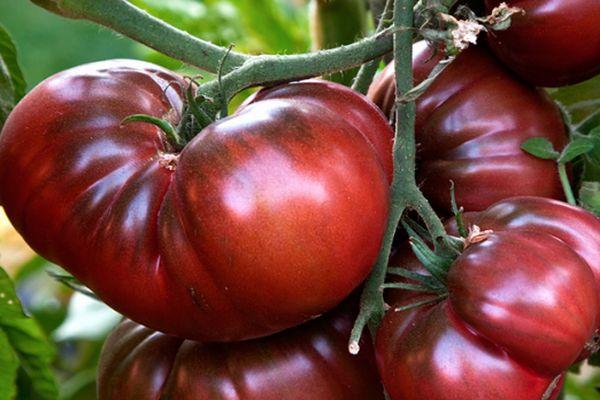
This is a medium-sized variety; during the growing season, depending on growing conditions, the bush height reaches 120-180 cm. This tomato has a mid-early ripening period and is characterized by high yields.
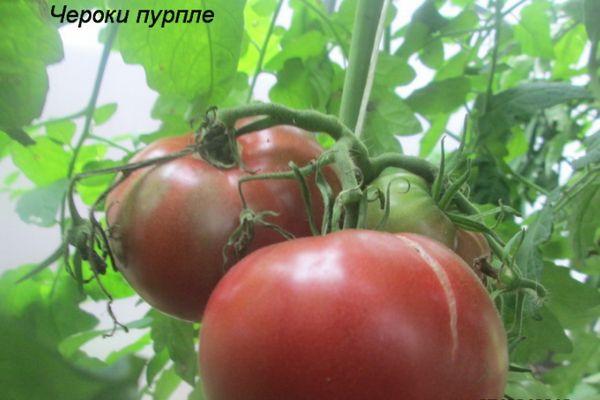
The leaves are of the normal type. The plant forms a branched, complex raceme, which holds up to 10 fruits. At the technical ripeness stage, the tomatoes turn purple. When cut horizontally, the tomato reveals numerous chambers containing a small number of seeds.
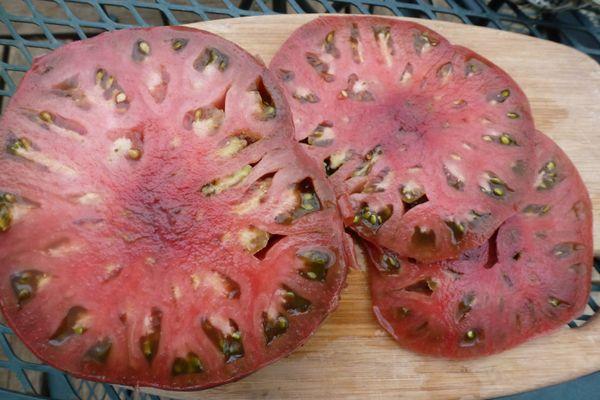
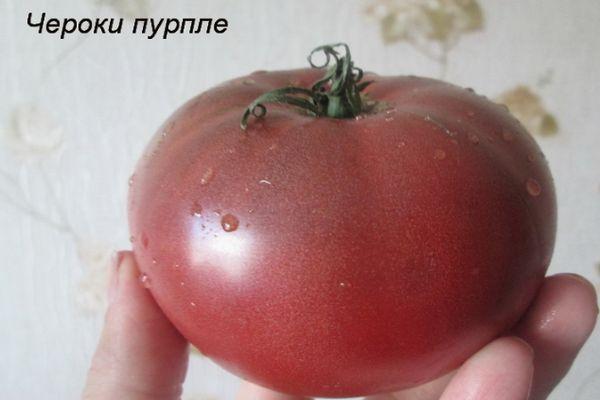
Cherokee purple tomatoes are flat and round, resembling a heart in appearance. They boast a delightful smoky aroma, dense, meaty flesh, and a sweet flavor.
Tomatoes are medium-sized, weighing 300-500 g. With proper agricultural practices, fertilizers, and moderate watering, the yield can reach 4 kg per plant.
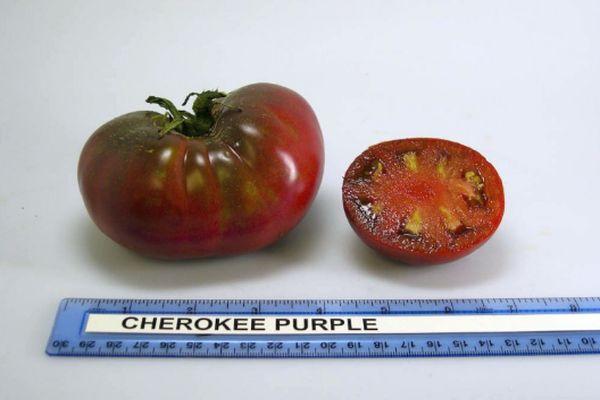
The fruits of this variety contain anthocyanin (a purple pigment), a powerful antioxidant that is beneficial for people with heart disease and diabetes.
Tomatoes are recommended for inclusion in the diet. They improve heart function, reduce the likelihood of blood clots, and lower the risk of heart attack, stroke, and atherosclerosis.
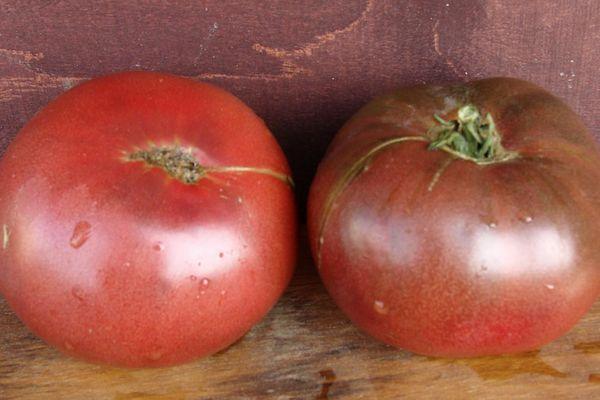
Vegetable growers' reviews indicate the variety's medium ripening time, high productivity, and resistance to fungal and viral diseases of nightshade crops. The tomato's unusual appearance makes it suitable for use as a landscape design element.
Cherokee Purple Heart tomato is recommended to be grown in 2-3 stems. The plant requires removal of excess shoots and tying to a support.
In cooking, the fruits are used to make tomato juice, fresh.
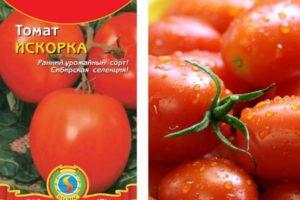
Growing seedlings
Seeds for seedlings are sown 45-60 days before planting in a permanent location. The productivity of the plants depends on the quality of the seedlings. To ensure strong bushes, proper agricultural practices must be followed when growing seedlings.
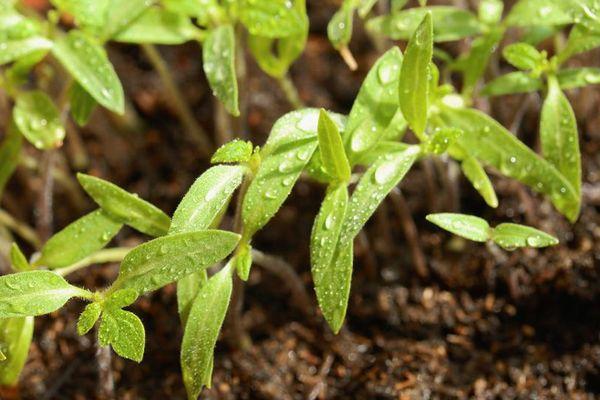
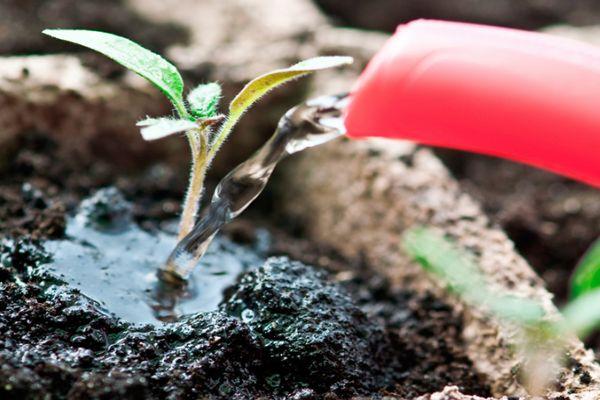
Before planting, treat the seeds with an aqueous solution of potassium permanganate and a growth stimulant. Fill the container with the prepared soil mixture or substrate, compact it lightly, and make furrows 1 cm deep. Place the seeds in these furrows at a distance from each other and cover with a 1 cm layer of peat moss. Use a sieve to ensure even distribution. After watering with warm water, cover the container with glass or plastic wrap until the seedlings emerge.
To ensure the uniform emergence of seedlings, the seeds must be maintained at an optimal temperature of +20…+25°C.
Once loops appear, the container is moved to a windowsill and exposed to sunlight. To promote uniform growth, periodically rotate the container with the seedlings so that different sides face the light source.
If lighting is insufficient, it is recommended to use fluorescent lamps to extend daylight hours. For normal seedling development, periodic fertilization with complex fertilizers according to the manufacturer's recommendations is necessary.
Water the plants as the top layer of soil dries out. Excess moisture can negatively impact seedling development.
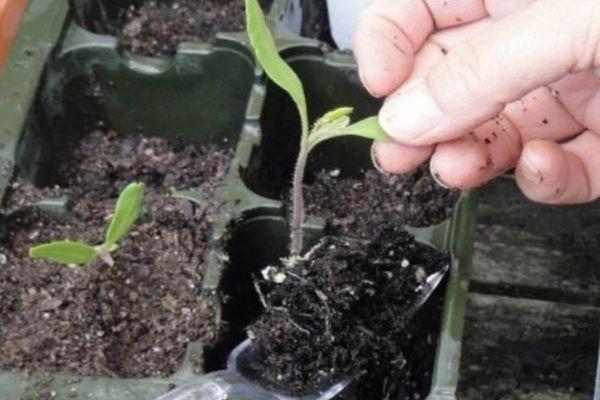
When two true leaves form, transplanting is done. This stimulates root development. Peat pots are used for transplanting, making it easy to transfer the finished seedlings to their permanent location. A convenient option for transplanting is a cup with a split bottom.
When purchasing ready-to-plant seedlings, it's important to pay attention to the stem. Healthy seedlings have a strong trunk, green leaves, and a well-developed root system without damage.
Sometimes seedlings are grown using intensive methods. This method infuses the plants with large amounts of nitrogen fertilizer. This is indicated by the inward-curling leaves.
To achieve uniform results, it is recommended to plant plants of the same age.
Agricultural technology for tomato cultivation
This exotic tomato prefers light, nutrient-rich soil. When growing Cherokee tomatoes, it's important to maintain crop rotation. The best precursors are carrots, cucumbers, and parsley.
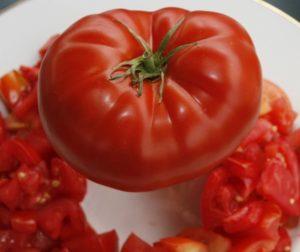
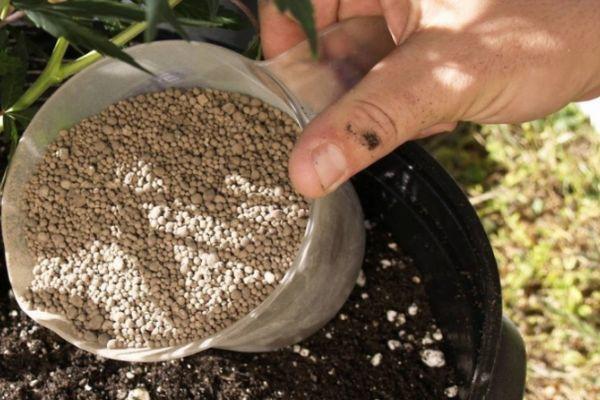
The tomato bed is prepared in the fall: organic fertilizer, compost, crushed eggshells, and wood ash are added. Peat is added to the prepared holes, and the soil is watered with warm water before planting.
To help plants adapt to their permanent location, harden off seedlings for 7-10 days before planting. Gradually increase the time the seedlings are exposed to the open air, from 30 minutes to several hours.
To form a vigorous bush and ensure a high yield, fertilizers containing nitrogen, potassium, and phosphorus are periodically applied. The ratio of mineral components is adjusted at different stages of crop development.
Growing tomatoes in protected soil conditions requires maintaining an optimal humidity level of 60-70%.
When growing tomatoes, it's important to maintain a proper watering schedule. Overwatering creates favorable conditions for the development of fungal diseases and the spread of pests.
If agricultural practices are not followed, this exotic crop is susceptible to fusarium wilt and blackleg. It can also be attacked by biological pests.
When grown indoors, the plant is less resistant to infestations than tomatoes grown outdoors. Whitefly is a dangerous pest for the Cherokee tomato.
Related posts:
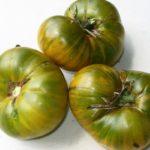 Description of the American tomato Cherokee Green Golden and growing it using seedlings
 The best eggplant varieties for growing in a polycarbonate greenhouse: planting and care
 The best grape varieties for growing in the Urals, planting and care rules in summer
 Descriptions of the 20 best cherry varieties for the Moscow region, their planting and care
 Methods for planting and propagating cherries at home
 80 Best Eggplant Varieties for Different Regions with Descriptions and Characteristics
 Description of the best varieties of black tomatoes for open ground and greenhouses
 Description and characteristics of the best seeds of pea varieties and types
Something's not quite right: a cluster contains up to 10 fruits weighing between 350 and 500 grams. If we take the average: 7 fruits weighing 400 grams each, that's 2 kg 800 grams, and a total of 4 kg per bush. How many clusters are there on a bush? No more than two?