
The Iskorka tomato is one of the most popular varieties of nightshade. It offers a number of advantages: excellent taste, early ripening, and low maintenance.
Brief description of tomato
This tomato tolerates minor temperature fluctuations, drought, and infrequent harvesting. The Iskorka variety was developed in Ukraine.
Tomatoes tolerate the climate of the central and northern zones well; they are grown in the Urals, West Siberian and East Siberian regions.
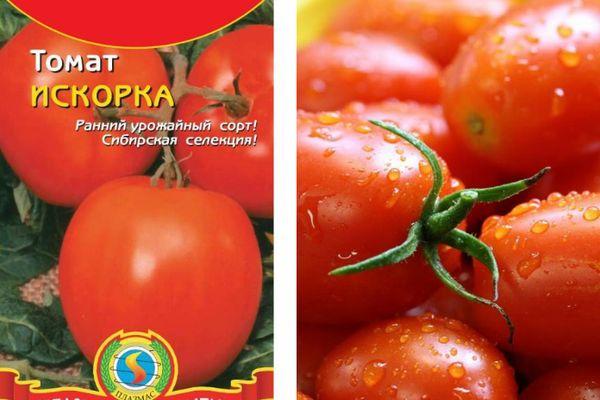
The Iskorka tomato is intended for outdoor cultivation, although it also produces excellent yields in greenhouse conditions. This determinate variety averages 45-55 cm in height. In greenhouse conditions, the plant can grow taller.
Vegetable growers give positive reviews about growing the Iskorka variety; it's generally hassle-free. The seeds produce strong shoots, the seedlings grow easily and quickly, and produce a good harvest.
The Iskorka tomato has no special requirements for care and cultivation, but the variety description indicates some recommendations regarding the timing of seed planting and harvesting.
Main characteristics of the variety
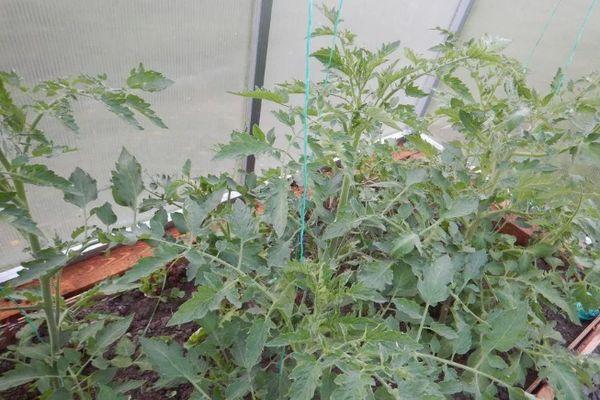
The plant is small in stature, but its stem is quite strong and robust. Branching and foliage density are moderate. The leaves are regular, medium-sized, and dark green. The first inflorescence appears after the fifth or sixth leaf. The inflorescence is of the intermediate type and contains 7 to 11 flowers. The bush requires pinching and timely staking, so it's a good idea to install supports immediately when planting the seedlings.
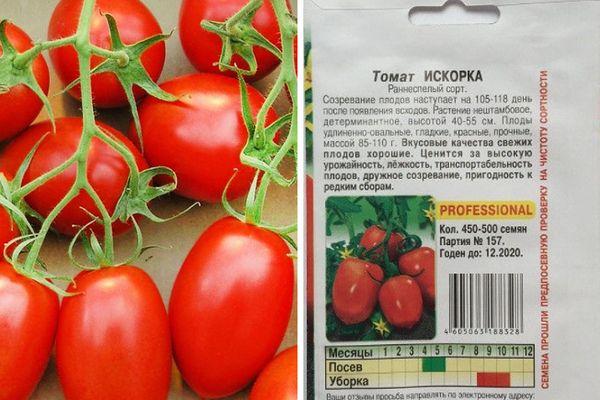
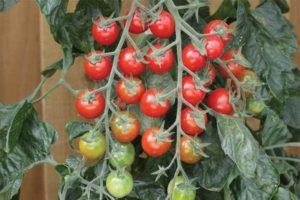
Fruit ripening occurs 110–130 days after sowing. The fruits ripen evenly and uniformly.
Description of fruits:
- A ripe tomato weighs on average about 85-100 g.
- The color of the Iskorka tomato is bright red.
- The shape is elongated, slightly oval.
- The surface of the fruit is smooth and shiny.
- The skin is firm but not thick. It peels off easily and protects the tomato from cracking.
The Iskorka variety produces high yields. On average, 1 m² yields 5 to 7 kg of fruit. The tomatoes have excellent flavor. The flesh has a vibrant tomato flavor and is moderately acidic.
The aromatic and juicy fruits have versatile uses. They can be used to make vegetable salads, pasta, lecho, juices, ketchup, and canned whole.
Thanks to its dense flesh and strong skin, the harvest can be stored for about a month. A cool, well-ventilated area is ideal for this purpose. Iskorka tomatoes withstand long-distance transportation well.
Growing seedlings
The plant is grown using seedlings. To ensure strong seedlings, carefully read the manufacturer's recommendations. Typically, the back of the seed packaging includes a description of the variety and its characteristics. This information includes the timeframe for sowing Iskorka tomatoes and then planting the seedlings outdoors.
Before sowing, most gardeners recommend preparing the seeds. To do this, they purchase a growth activator and manganese. To ensure the plant has strong immunity to pests and many types of fungi, they soak it in a weak solution of manganese.
To stimulate growth, seeds are kept in a special solution that activates plant growth. After treatment, the seeds are always dried naturally.
Sowing takes place in March. A special container or shallow box is prepared for the seedlings and filled halfway with special soil. The soil mixture can be prepared from components such as peat, sand, and regular soil. Many people purchase sod soil for this purpose.
The seeds are buried 1 cm deep in the soil and covered with a thin layer of soil. Immediately after planting, the soil should be gently moistened. A regular spray bottle is best for this. It won't wash the seeds out of the soil or damage the shoots. After planting, cover the container with plastic wrap and place it in a warm, well-lit location.
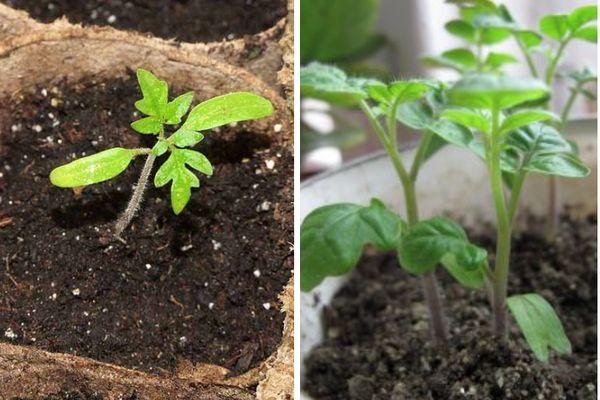
The seedlings need to be aired daily. Open the film for a few hours to allow the moisture to evaporate. Young shoots will appear in 10-14 days. Wait until they develop two strong leaves before transplanting.
 Many people plant seedlings in plastic cups or more spacious boxes, but the best way is to use peat pots.
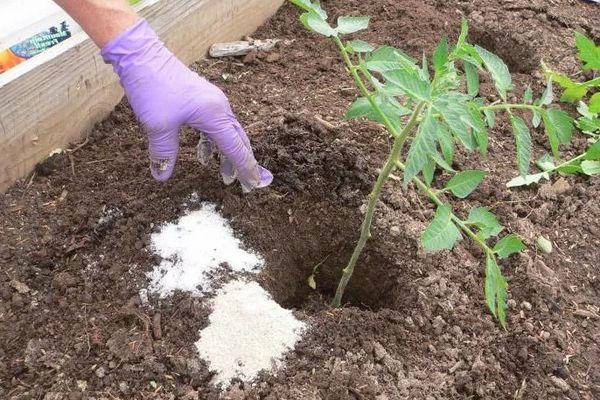
The seedlings are planted in the beds in May. The beds need to be well dug and fertilized. The plants are spaced in a 50x40 pattern; 7-9 plants are planted per square meter.
Further care consists of regular watering, feeding with mineral fertilizers and weeding the beds.
The Iskorka variety has received only positive reviews, as it is unpretentious and produces a high and stable yield.
Related posts:
 80 Best Eggplant Varieties for Different Regions with Descriptions and Characteristics
 How to propagate and grow peas, cultivation technology, and care in open ground
 The best grape varieties for growing in the Urals, planting and care rules in summer
 Description of the best, most productive and new varieties of cucumbers for 2025
 How to properly plant peas in a greenhouse and open ground
 Descriptions of the 20 best cherry varieties for the Moscow region, their planting and care
 Description and cultivation of the 15 best cherry plum varieties for the Moscow region, planting and care rules
 Description of varieties of sowing peas and cultivation, to which family they belong