
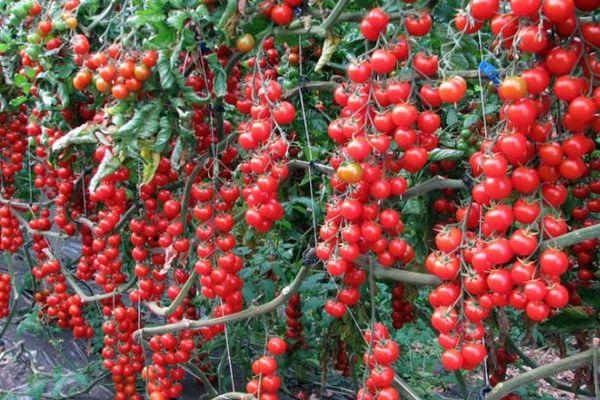
One of the most interesting tomato varieties is the Rapunzel tomato. It grows in long braids, laden with small fruits on both sides. This variety is distinguished not only by its excellent taste but also by its decorative qualities and the ability to be grown in limited soil conditions, such as on a balcony.
Description of the variety
Rapunzel is an indeterminate tomato variety with bushes that can reach 240 centimeters in height. This early-ripening hybrid variety has a growing season of 75 days. This period can vary by 5 days in either direction depending on weather conditions and care. These plants are best grown on balconies or in greenhouses. The variety description describes this hybrid as highly resistant to various diseases.
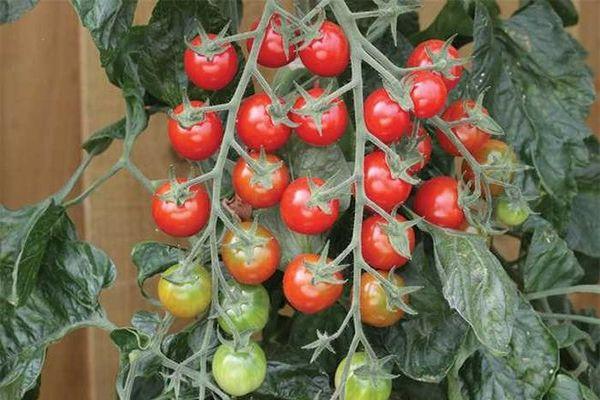
The Rapunzel variety produces small, round tomatoes. Their firm skin ensures good shelf life, but they are not suitable for storage. This variety is prolific: a single cluster can hold approximately 40 tomatoes.
Growing
Initially, this variety was intended to be grown only on balconies and windowsills under artificial lighting. However, this requires the plant to grow quickly, reaching a height of 2.4 meters. Not every gardener can provide such conditions on their loggia or balcony. Therefore, breeders have refined a specific list of varietal characteristics to allow gardeners to grow tomatoes in greenhouses or in open ground.
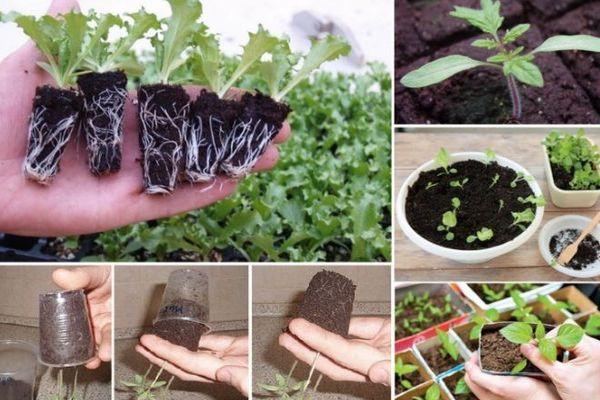
When starting seedlings from seeds, start on a windowsill. After a couple of months, the grown material must be prepared for transplanting into the soil. In southern regions, tomatoes can be grown outdoors, while in northern regions, they can only be grown in greenhouses. To acclimate the plant to temperature fluctuations, it needs to be hardened off. This is done by placing it outside for 4-5 days. The hardening process should begin at 2:00 a.m. and gradually increase to 6-8 hours.

Before transplanting seedlings, prepare the beds. They are dug over, adding compost, and then disinfected with a copper sulfate solution. Organic fertilizers should never be added, as this will concentrate all the nutrients in the plant's crown, and fruit development will be slow.
Seedlings should be planted every half meter, with the holes no deeper than 10 centimeters. After the fruit sets, the gardener needs to shape the bush. This requires leaving 1-2 fruiting branches.
Care Features
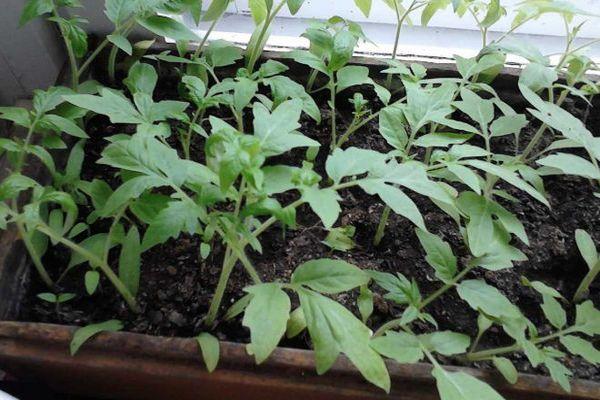
Care for the planting depends on its location. If the gardener has planted the plant in a greenhouse, they should create support structures that accommodate the expected growth rate of the plant.
Regardless of the growing location, other care will be required. Since the Rapunzel tomato thrives on light and doesn't tolerate low temperatures, several important rules must be followed:
- It is necessary to regularly remove the plant's side shoots and remove its lower leaf blades, otherwise the plant will produce a large number of branches;
- all fruit-bearing branches must be secured to supporting structures;
- the plant needs to be fertilized: the first time inorganic fertilizers are required is 2 weeks after planting the seedlings in the ground;
- You need to regularly hill up the planting, loosen the soil around the roots, providing oxygen access to them.
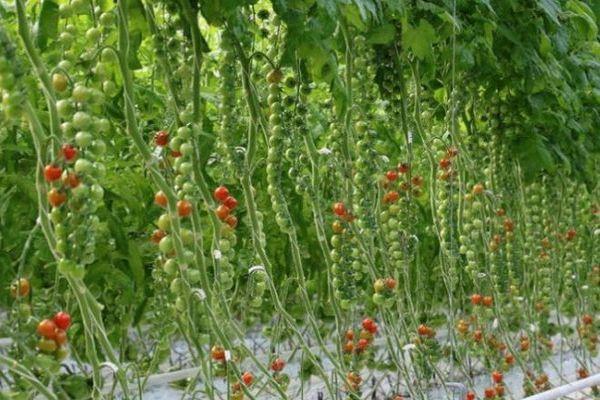
The plant also requires abundant, infrequent watering. These plants should be trained into a single stem. Training into two stems is only permitted in greenhouses.
Advantages and disadvantages
Many gardeners who grow this tomato variety have highlighted several positive qualities of the Rapunzel tomato variety:
- the fruits are characterized by high taste qualities, while their pulp is distinguished by its fleshiness and sugar content;
- planting gives a bountiful harvest, so from 1 square meter you can collect 8 kilograms of tomatoes;
- the hybrid variety has high resistance to various tomato diseases and pests;
- The fruits have an excellent marketable appearance due to their elastic skin.
Another advantage of this variety is that the harvested fruits can be transported over long distances.
Along with its advantages, this hybrid variety also has several drawbacks. Many gardeners have discovered that saving seeds for planting the following season is not an option. This is due to the variety's hybrid nature. The harvested vegetables also have a short shelf life. Some gardeners consider the tall growth habit of the bush a drawback, but with good support, this feature can become an excellent decorative feature.
Pests and diseases
Cherry tomato varieties Rapunzels are relatively resistant to common tomato diseases and pests. However, to prevent the risk of disease, preventative measures are necessary. For this purpose, treating the plantings with fungicides such as Profit Gold is recommended.
If a gardener doesn't want to use chemicals, they can be replaced with folk remedies. An infusion made from onions and garlic mixed with a small amount of soap is suitable for this purpose. Regular ventilation of the greenhouse and removal of affected foliage and fruit are also considered good preventative measures.

Harvesting and storage
Since the fruits don't store well, they should be picked from the bush as they ripen. In this case, tomatoes should be consumed immediately or within a few days.
If a gardener wants to transport the harvest, the fruit should be picked when it's still in its infancy. This will extend the harvest's shelf life by approximately 1–2 weeks. Store and transport this harvest in well-ventilated containers, keeping the fruit layer thin—no more than 10 centimeters thick. Avoid allowing moisture to enter the containers during transport.

Gardeners' reviews
Most gardeners have a positive attitude toward the Rapunzel variety, noting its high yield and attractive ornamental qualities. Their reviews are based on the following plant characteristics:
- The bushes of this variety are distinguished by tall, thin stems;
- the taproot system develops well if all recommended rules for planting care are followed;
- adventitious roots actively develop, forming a root lobe at a shallow depth;
- When grown in a greenhouse, the plant requires moderate watering, as excess or lack of moisture can be detrimental to this hybrid.
All gardeners agree: this variety is sensitive to light and temperature. The ambient temperature should be at least 22 degrees Celsius. If the temperature drops, the plant's yield will also decrease.
Related posts:
 The best eggplant varieties for growing in a polycarbonate greenhouse: planting and care
 The best grape varieties for growing in the Urals, planting and care rules in summer
 Description and characteristics of the best seeds of pea varieties and types
 Methods for planting and propagating cherries at home
 Descriptions of the 20 best cherry varieties for the Moscow region, their planting and care
 80 Best Eggplant Varieties for Different Regions with Descriptions and Characteristics
 Description of the Velika grape variety, cultivation and care tips
 Description of the Red Early apple tree variety, agricultural technology and specific care