The Lily Marlene f1 tomato belongs to the so-called beef tomato group. This hybrid variety ripens early with excellent flavor and high nutritional value. Its disadvantages include a short shelf life (no more than a week when stored in a refrigerator) and the delicate skin of the berries, which makes it difficult to transport over long distances.
Technical data of the plant and its fruits
The characteristics and description of the Lily Marlene variety are as follows:
- From the moment of planting seeds in the ground until the first fruits are obtained, 100-105 days pass.
- The plant's bushes can reach a height of 180-200 cm. They produce a medium number of emerald-colored leaves.
- The first inflorescences appear above the 5th, 6th or 7th leaf.
- Tomatoes of this variety have ovaries collected in racemose inflorescences, with 5 fruits formed on each of them.
- The description of this variety can be continued by examining the berries of this tomato. They are spherical in shape and pink in color.
- Ripe tomatoes weigh between 0.23 and 0.34 kg. The insides of this variety of tomatoes are fleshy and have a firm texture. The entire pulp is divided into 4 or 5 seed segments.
- The skin of the fruit is thin but smooth. There are no green spots in the stalk area of this tomato variety.
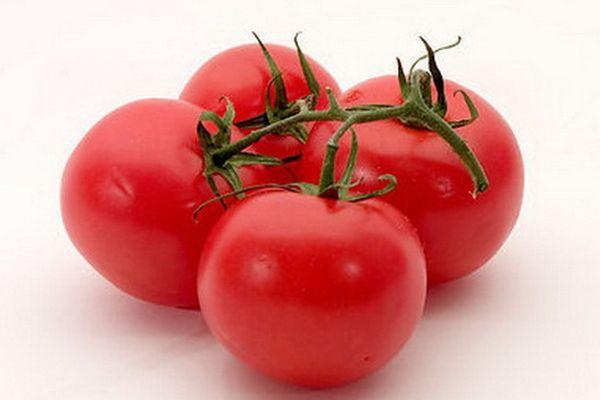
Reviews from gardeners who have planted this tomato variety indicate that Lily Marlene tomatoes yield 13-17 kg of berries per square meter of garden bed in open ground. When grown in hotbeds, film greenhouses, and heated glass greenhouses, the yield increases by 2-3 kg. It is noted that due to the plant's tall height, shaping and staking are necessary.
Farmers who have planted this tomato report that attempts to preserve the fruit for the winter have been unsuccessful, although there are unconfirmed reports of one gardener successfully pickling small tomatoes of this variety. Lily Marlene is most often used fresh or in salads.

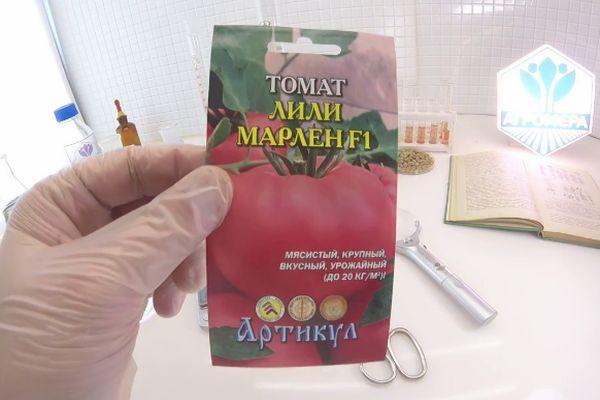
How to plant Lily Marlene in your backyard
Most farmers grew this hybrid using seedlings. To obtain seedlings, purchase Lily Marlene seeds from specialist stores. It is then recommended to treat them with a weak solution of potassium permanganate. Each seed should soak in the solution for 18-20 minutes. This will strengthen the future seedling's immunity and eliminate the risk of viral and fungal diseases.
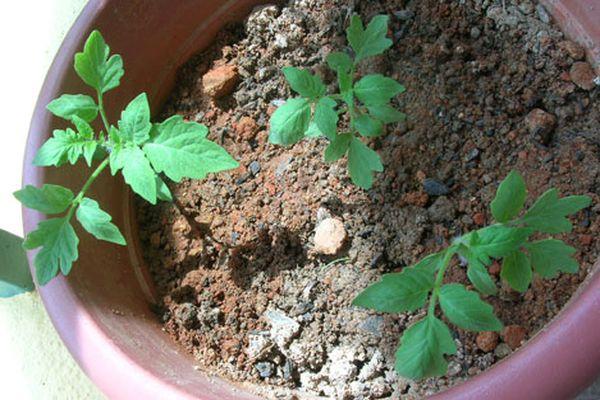
The seeds are planted in boxes filled with special tomato soil. Once the sprouts emerge (approximately ten days after planting), wait until one or two leaves develop before transplanting the seedlings. After this, the boxes are moved to a well-lit area. Harden off the seedlings 10-14 days before transplanting them to their permanent soil.
Before planting the seedlings, apply nitrogen fertilizer to the soil. Mineral substances, such as superphosphate and potassium nitrate, are recommended to be applied to the soil twice more: once when the inflorescences appear, and again after the fruiting ovaries have developed.

Water tomatoes with warm water. This is most often done after sunset. Hilling should be done regularly, weeds should be removed from the beds, and the soil should be loosened under the plants.
The Lily Marlene variety is trained using two stems. Plants must be tied to sturdy supports or trellises, otherwise, some of the harvest may be lost due to branches breaking under the weight of the ripening tomatoes.
 To help plants resist various tomato diseases, it is recommended to spray their leaves with appropriate medicinal preparations.
If garden pests (aphids, nematodes, caterpillars of various insects) are found on the site, then special chemicals are used to destroy them.
Related posts:
 Top 7 varieties of shrub roses, their planting and care in open ground for beginners
 Top 50 best new rose varieties of 2025 with descriptions and characteristics
 Description and characteristics of the best seeds of pea varieties and types
 Description of the best varieties of seedless tomatoes and cultivation technology
 Rules for growing tomatoes in open ground, choosing a variety, planting and care
 Description of the Kurnosik tomato: characteristics of the variety and care
 Characteristics of the Akulina tomato and cultivation of the variety on the plot
 Description of the hybrid tomato Alesi and its cultivation on your own plot