
- Detailed information and characteristics of the variety
- Description of the plant
- Description of tomatoes
- Ripening period and yield
- Resistance of the variety to weather conditions and diseases
- Advantages and disadvantages
- Varieties of the variety
- Yellow
- Red
- Pink
- Gold
- Motley
- Features of cultivation
- Seed preparation
- Planting seedlings
- Tomato transplant
- Aftercare
- Watering
- Top dressing
- Bush formation
- Pest and disease control
- Feedback from those who planted
The Banana Red tomato is a productive variety with an exotic name. It gets its name from the shape of its fruit. The tomatoes are not round, like most hybrids, but elongated. But the taste is every bit as good as their standard counterparts.
Detailed information and characteristics of the variety
The main distinguishing feature of this tomato variety is its banana-shaped fruit. However, the hybrid also has a number of characteristics that distinguish it from other tomato varieties.
Description of the plant
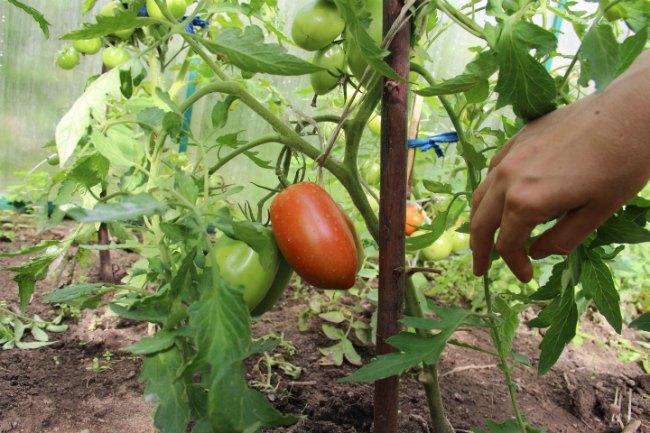
The Banana Red tomato variety is a determinate, meaning it's low-growing. Plant heights range from 50 cm to 1.3 m. Lateral shoots and leaves form moderately.
To increase yield, the stem is trained into 1-2 trunks. A key advantage of this variety is that ovaries form on the bush in any weather. Each cluster produces 8-10 inflorescences. It is recommended to pinch the bush above the 5th inflorescence.
Description of tomatoes
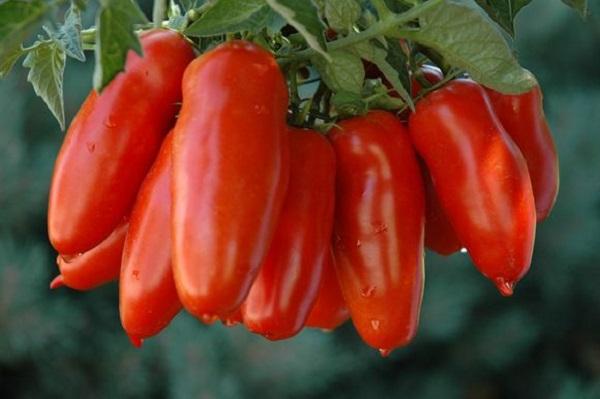
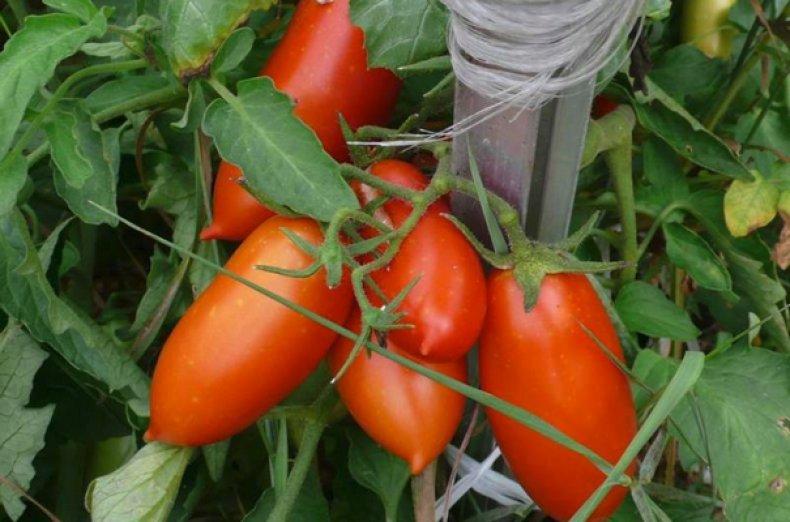
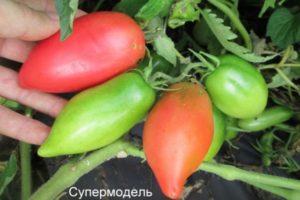
Red Banana tomatoes are distinguished by their elongated shape. At maturity, the fruit reaches 10-14 cm in length. This is the maximum length. The average length is 6-9 cm. Tomatoes weigh between 70 and 125 g. The weight of the fruit depends largely on the fertility of the soil and the amount of fertilizer applied during the summer.
The skin is a rich scarlet. The skin is smooth, dense, and slightly ribbed near the stem. Thanks to the dense skin, the tomatoes do not crack as they ripen.
This tomato is a canning variety; ripe fruits have a slightly bland taste. While not suitable for salads, the Red Banana is excellent for canning.

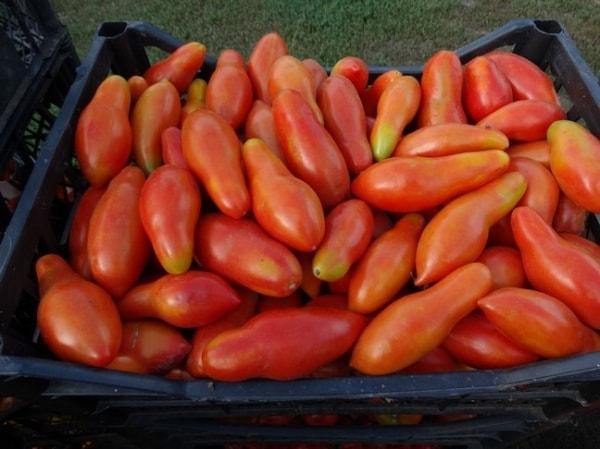
The tomato flesh is firm, containing 2-3 seed chambers. There are not many seeds inside the vegetable. Tomatoes at the technical maturity stage tolerate long-distance transportation well.
Ripening period and yield
The Banana Red variety is an early-ripening variety. The first red tomatoes appear on the vine 85-95 days after planting. Full-scale ripening of the crop occurs approximately two weeks after the start of the ripening period.
The yield is average. A single plant can yield up to 4 kg of fruit. In fertile soil, the yield may be slightly higher. In greenhouse conditions, fruiting continues until November.
Resistance of the variety to weather conditions and diseases
The main advantage of the Red Banana tomato is its immunity to most nightshade diseases. However, to prevent these, the plants should be regularly inspected for signs of disease.
In addition, the bushes are resistant to temperature changes and sudden cold snaps.
Advantages and disadvantages
The advantages of the Red Banana tomato include:
- Resistance to cold and diseases.
- Early maturity.
- The dense skin prevents the tomatoes from cracking during packaging and transportation.
- After harvesting, the fruits can be stored for several more weeks.
The variety's shortcomings include yield and fruit flavor. However, these are not significant, and overall, the variety is quite good.
Varieties of the variety
There are several varieties of Banana Red tomatoes. The main difference is often the color of the fruit.
Yellow
The characteristics of the Yellow Banana variety are identical to those of the Red Banana. The only difference is the yellow tint of the skin.
Red
The fruits of this variety are red.
Pink
Tomatoes Banana Pink at the stage of technical maturity are yellow in color.
Gold
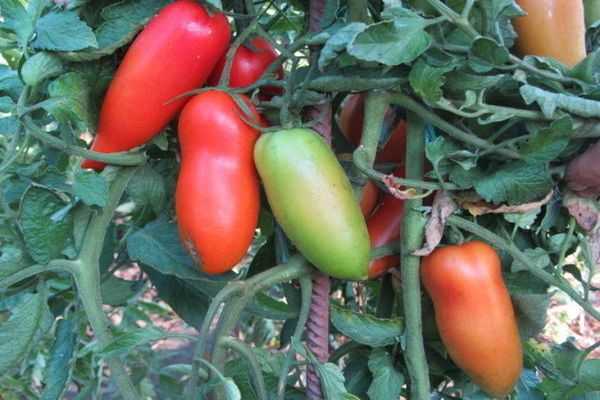
The fruits are a rich yellow-orange color.
Motley
This variety of tomatoes has a yellow-red tint.
Features of cultivation
Tomato seeds are prepared in advance before planting. This increases the germination rate.
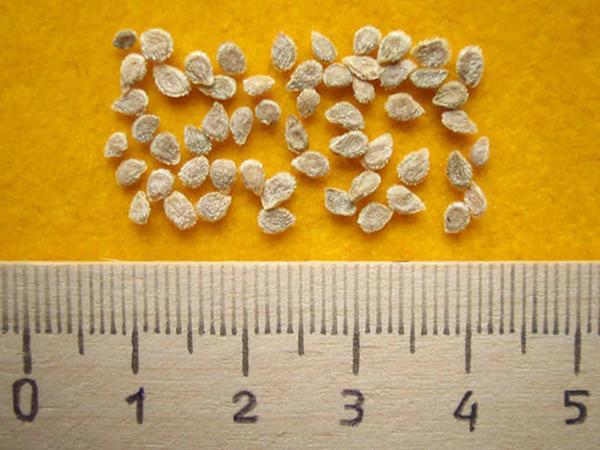
Seed preparation
Before planting the seeds in the soil, they are germinated. To do this, place the material in damp cheesecloth and cover it. Place the seeds in a warm place, such as a radiator, and mist them regularly with water. Sprouts should appear within 2-3 days. After this, the seeds are planted.
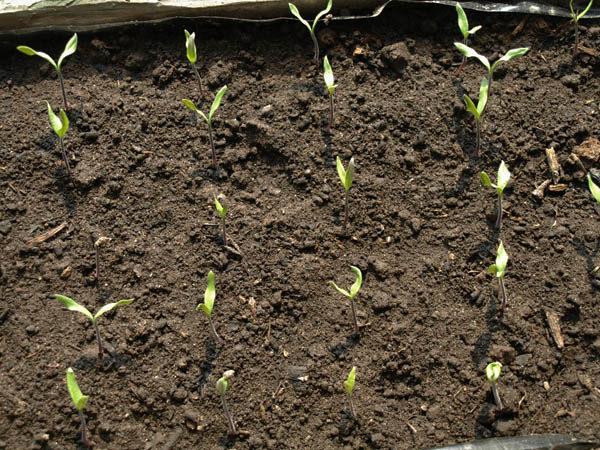
Planting seedlings
Planting seedlings:
- Drainage is poured into the bottom of the container, then it is filled with soil.
- Furrows 1-1.5 cm deep are made in the soil.
- Plant the seeds and lightly cover with soil.
- Water with warm water.
Then cover the box with cling film and place it on a south-facing window. Regularly inspect the soil and water it. When the sprouts appear, the film is removed and the box is placed in the sun.
Tomato transplant
Tomato seedlings are transplanted into the soil when the weather warms up. Dig holes in the bed 30-45 cm apart, plant the seedlings, and cover the bed with a warm cloth at night.
Aftercare
To increase the yield of tomatoes, care is essential. This includes watering, fertilizing, and shaping the plant.
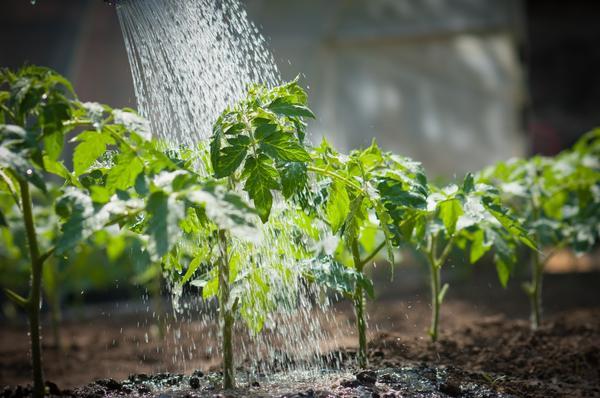
Watering
Tomato plants need to be watered frequently until fruit sets. After that, 1-2 irrigations per week are sufficient if the weather is hot. If it rains regularly, you can avoid watering altogether.
Top dressing
During the first half of the season, nitrogen and organic fertilizers are added to the soil. Nitrogen has a positive effect on bush growth and fruit set. As the fruiting season begins, phosphorus and potassium are added to the soil. These fertilizers have a positive effect on yield and fruit flavor. Organic fertilizers used include manure, wood ash, and compost.
Bush formation
As the tomato plants grow, side shoots are trimmed off. The lower leaves are removed completely.
Pest and disease control
As a preventative measure, the bushes are sprayed with Ridomil Gold. This prevents the occurrence of diseases. The first spraying is done as a preventative measure. The second treatment is carried out two weeks after the first.
Feedback from those who planted
Alena, 31: "I've been planting the Red Banana tomato for several years now. The yield is always impressive. I rarely eat the tomatoes; I mostly use them for canning."
Mila, 43: "I didn't like the Red Banana variety. The tomatoes were tasteless and dry. The yield wasn't particularly impressive either. I won't be planting them next year."
Related posts:
 80 Best Eggplant Varieties for Different Regions with Descriptions and Characteristics
 Description of the exotic tomato variety Banana Orange and growing it in the garden
 Description of the long-fruited pumpkin Pink Banana and cultivation techniques
 Description and cultivation technology of the Red Ball plum variety
 Characteristics and description of pepper-shaped tomato varieties, yield and cultivation
 Description of the Red Coal tomato and its cultivation using seedlings
 Description and characteristics of the best indeterminate tomato varieties for greenhouses
 Description of the best tomato varieties for pickling and canning