
The Sinichka tomato is suitable for growing in small garden plots. This miniature plant grows well indoors, for example, on a balcony or loggia. The same class of tomato as the Sinichka tomato can also be grown outdoors. The Sinichka tomato is quite transportable.
Briefly about the plant and its fruits
The characteristics and description of the Sinichka variety are as follows:
- the first berries can be obtained 85-90 days after planting the seedlings;
- This variety has simple brushes; the bush itself is standard, determinate;
- The Titmouse grows to a height of 35-40 cm, which allows the tomato bushes to be used for decorative purposes;
- the leaves of the tomato variety described are of medium size;
- the plant's inflorescences have a simple shape;
- each brush contains 10 to 15 tomatoes;
- the plant is resistant to most tomato diseases due to increased genetic endurance;
- This type of tomato has a strong aroma.
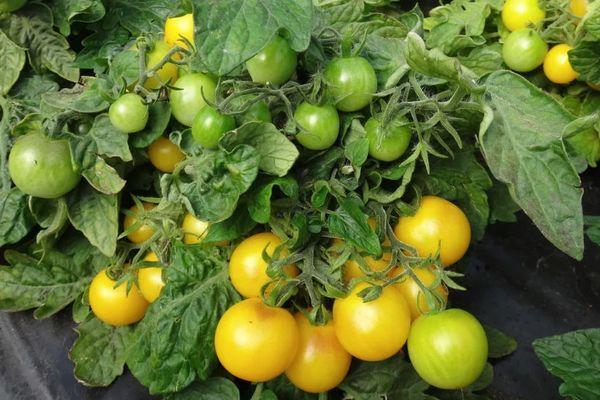
The Sinichka fruit is shaped like a cherry. Each tomato weighs approximately 20 g. Sinichka tomatoes are yellow, with a dark spot visible on the stem. The skin is smooth, thin, but firm. It doesn't crack easily.
Reviews from gardeners who grow this plant show that with proper care, the yield of the Sinichka reaches up to 2.7 kg of fruit per 1 m².
Miniature tomatoes have a pleasant honey flavor. They can be used to garnish various dishes or eaten fresh. These tomatoes make excellent pickles; some people even dry Sinichka tomatoes.
How to grow a plant at home
In order to obtain the desired yield volume, certain requirements must be met when growing the decorative tomato Sinichka.

It is recommended to plant the plant seeds in boxes no more than 15 cm high. Before planting, treat the seeds with potassium permanganate to increase germination and protect them from fungal infections.

The seedlings must have a constant supply of fresh air, so pieces of slate or tiles are placed on the bottom of the box, and sand is also added.

For normal plant development, it is recommended to use universal soil for tomatoes as soil (it can be purchased at a specialty store).
In the room where ornamental tomatoes are growing, the temperature should be maintained at no lower than 15°C at night, and raised to 20°C during the day. The room should also be regularly ventilated.

Growing the ornamental tomato bushes called "Sinichka" requires additional lighting. Special lamps are used for this purpose. After planting the seeds in containers, wait 6-7 days for sprouts to appear. These sprouts should be watered with a small amount of warm water.
After the seedlings have developed one or two leaves, it is recommended to transplant them. Before the ovaries begin to set, add a small amount of superphosphate to the soil. Staking or shaping the bushes is not required, as they are small, and each plant grows in its own container.
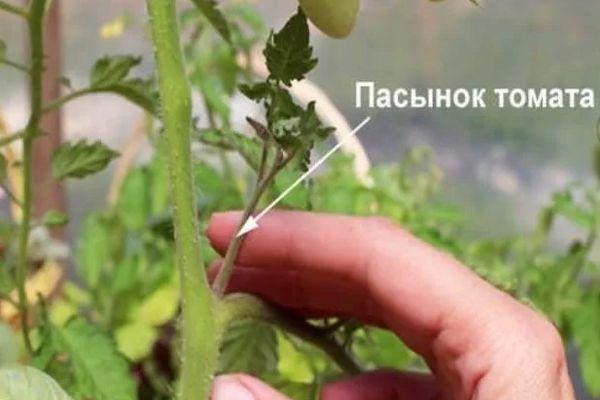
It is necessary to remove the stepchildren and remove old leaves from the stems and branches. Water the plants and loosen the soil underneath them 2-3 times a week.
If you decide to plant tomatoes outdoors, after the seedlings emerge from the boxes and are pricked out, they need to be hardened off. To do this, place them on the balcony for 1.5 to 2 weeks. Gradually increase the time the seedlings are exposed to the sun from 10 minutes to 8 hours.
Before planting seedlings, nitrogen fertilizers are added to the soil. Fertilizing with complex mineral fertilizers is carried out after the first fruit appears. Hilling, watering, and loosening the soil are carried out according to generally accepted methods.
To eliminate the risk of garden pests, it is recommended to spray the bushes with appropriate chemicals. Although the plants are rarely susceptible to diseases, they should be treated with medicinal products that eliminate the risk of tomato diseases.
Related posts:
 What is the best way to feed tomato seedlings to make them plump?
 What fertilizers and when to use for feeding tomatoes in a greenhouse
 How to prepare tomato seeds for planting seedlings
 Description of the best varieties of seedless tomatoes and cultivation technology
 When and how to properly transplant tomato seedlings, the best days in 2025
 Rules for growing tomatoes in open ground, choosing a variety, planting and care
 Description and characteristics of the best indeterminate tomato varieties for greenhouses
 What is the best way to mulch tomatoes in open ground and greenhouses?

I've been growing Sinichka on my balcony for several years now, and it always produces an excellent harvest. And when I started using a bioactivator, BioGrow, the entire bush is covered with tomatoes, almost one on top of the other. I adore these tomatoes in assorted pickles and marinades; they're not only beautiful but also delicious.