The Tolsty Neighbor tomato is included in the State Register of Breeding Achievements as a crop recommended for cultivation in open ground and greenhouses. Ripe tomatoes are distinguished by their rich flavor and high juice content.
Advantages of a hybrid
The Tolsty Neighbor F1 tomato is a mid-season variety with a ripening time of 100-110 days from seedling emergence to the first harvest. When grown in heated greenhouses, technical maturity is reached 1-2 weeks earlier.
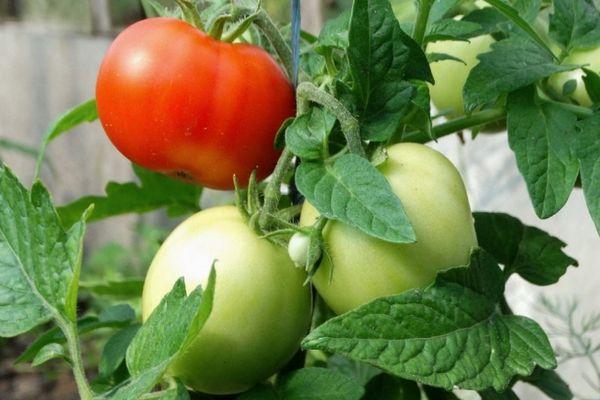
During the growing season, a bush grows to a height of 180-200 cm. The hybrid has an average capacity for continuous growth and the formation of side shoots. The tomato leaves are standard-shaped, small, and intensely green.
The plants form simple inflorescences. The first clusters bear 7-10 fruits. Subsequent clusters, each with a regular structure, produce 4-6 tomatoes.
Reviews from those who have planted this hybrid attest to the excellent taste of the fruit. The tomatoes are red, without the characteristic spot near the stem, with a rich aroma, a flat, round shape, firm flesh and skin, and a high juice content.

When cut horizontally, three to four seed chambers are visible. Tomatoes weigh 150-190 g. With extended crop rotation, the hybrid yields 28-37 kg per square meter. In cooking, tomatoes are used fresh, in salads, and for juice production.
Tomatoes can be picked green and ripened in a warm place. Ripe fruits can be stored on the vine and retain their marketable quality after harvest. The hybrid is resistant to tobacco mosaic virus and fusarium wilt.
Cultivation techniques
The hybrid is grown from seedlings. The seeds are sown 55-60 days before the expected planting date. Before planting, the seeds are treated with an aloe vera solution and a growth stimulant.
Fill the growing containers with prepared potting mix or substrate, compact it, and water with warm water from a spray bottle. Place the seeds on top, spaced apart, and cover with a layer of peat moss using a sieve.

After watering, cover the container with plastic film to create a greenhouse effect and move it to a warmer location. Once sprouts emerge, remove the film and water the seedlings. When one or two true leaves have formed, transplant them.
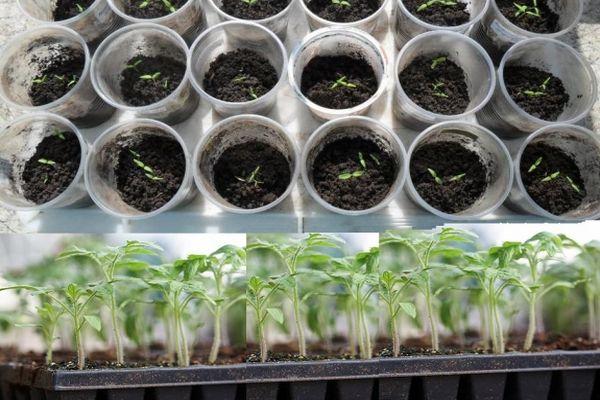
For this purpose, it is recommended to use peat pots filled with nutritious soil. When transplanting, shorten the main root by a third to stimulate root growth.
The plants are watered and fertilized with a complex fertilizer according to the manufacturer's recommendations. After the seedlings reach a height of 15 cm, they are transferred to a greenhouse. Care includes tying the bushes to additional support 10 days after planting.
To ensure the plant utilizes most of its nutrients for fruit formation, side shoots need to be removed periodically. This hybrid requires a lot of light, so it's recommended to plant the bushes in full sun.
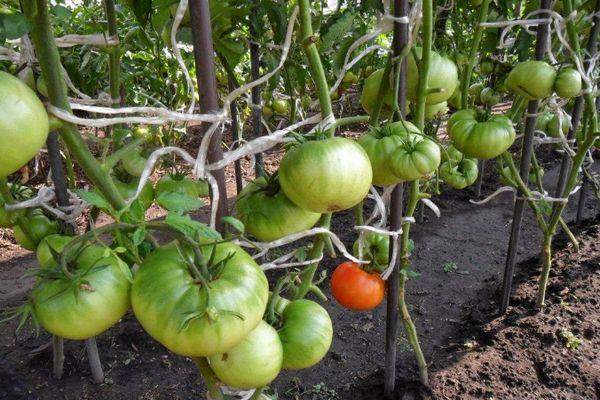
Caring for the crop involves timely loosening of the soil to ensure air access to the root system. Watering is carried out as the top layer of soil dries out.
Hilling up the bushes promotes the formation of additional roots. Regular weeding is recommended to prevent tomato diseases.
To ensure drip irrigation and minimize time spent on weed control, the soil is mulched using black non-woven fiber. Using leaves and straw as mulch provides additional organic nutrition for bushes.
Related posts:
 The best eggplant varieties for growing in a polycarbonate greenhouse: planting and care
 80 Best Eggplant Varieties for Different Regions with Descriptions and Characteristics
 Description of the best Dutch tomato varieties for greenhouses and open ground
 TOP 30 best varieties of cold-resistant cucumbers with descriptions and characteristics
 Description of the best tomato varieties for greenhouses in the Kirov region
 Description and characteristics of the 30 best hazelnut varieties, cultivation
 Description of the Krasotka grape variety, planting and care technology
 50 Best Carrot Varieties with Descriptions and Characteristics