As a Siberian-bred variety, the Altai Masterpiece tomato is resistant to diseases and adverse environmental conditions. It won't produce an early harvest, but will delight growers with an abundance of fruit in late summer, providing them with all types of tomato preserves. These tomatoes can be grown in various climates, and will yield a good harvest in both the Moscow region and southern Russia.
General characteristics of the plant
The Altai Masterpiece tomato variety has been listed in the State Register of Breeding Achievements of Russia since 2007. Over the past decade, it has been tested by many gardeners across the country and has found a cultivar favorite everywhere. This variety is easy to care for and can be grown both in greenhouses and open ground. It adapts to sudden temperature changes and high humidity conditions, and is resistant to all fungal infections.
The Altai Masterpiece tomato bush is indeterminate and can grow to 2 meters or more, but in open ground, growers limit its growth in mid-August by pinching the shoot tips. During the growing season, the bushes reach approximately 1.5 meters. Regardless of cultivation method, the Altai Masterpiece tomato requires staking and training the bush into 1-3 stems. An overgrown tomato will produce less fruit.
The fruiting period is extended. With mid-season tomatoes, the first harvest can be obtained around the beginning of August, although in the cool summers of Altai and Siberia, tomatoes can begin ripening as late as mid-August. Some tomatoes must be picked at the blanched or milky stage of ripeness, but they ripen well in boxes at room temperature. To speed up the ripening of green tomatoes, add a few red tomatoes to the box with them.
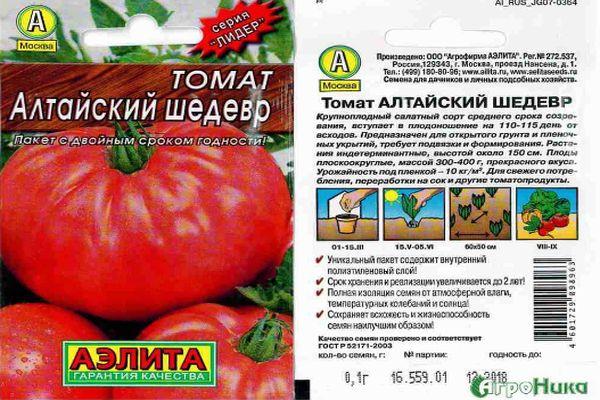
Reviews from gardeners who have planted the Altay Masterpiece tomato variety for several years indicate that its yield fluctuates little, producing reliably in both favorable years and challenging seasons. Each Altay Masterpiece tomato plant can yield up to 5 kg of large tomatoes. To maximize yields, the plant can be trained into 2-3 trunks, tying the bush to a trellis.
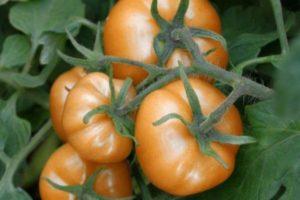
The fruits of the Altai masterpiece
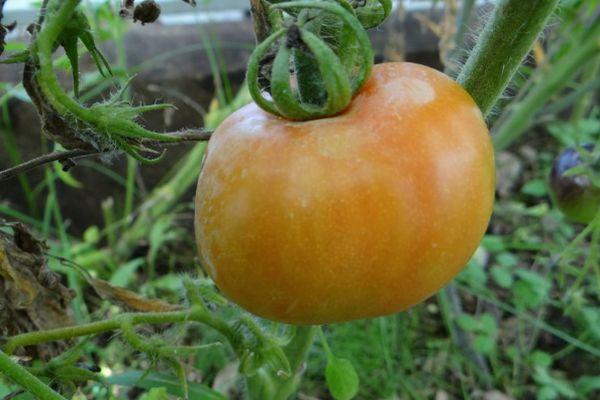
Each bush produces 4-6 clusters of ovaries per season. Each cluster produces 3-5 flat-round, heavily ribbed fruits, weighing between 200 and 400 g. With special care, gardeners can achieve record-breaking berries weighing around 500-800 g. Some tomatoes of this variety have reached 1 kg.
The skin is thin, but the tomatoes rarely crack even in excessively wet soil. They store well when ripe, maintaining their marketable appearance for 1-1.5 weeks. Firm tomatoes are easy to transport even when slightly unripe. The tomatoes are bright red in color, turning light green with a dark spot at the base when ripe.

The characteristics and description of the variety, according to gardeners' reviews, highlight the taste of the Altai Masterpiece tomato. As a variety of beefsteak tomato, these tomatoes have fleshy flesh with small seed chambers located closer to the fruit walls. The flesh is pinkish-red, sometimes paler in the center.
The tomatoes have excellent flavor: they contain approximately 6% dry matter and have a high sugar content. The flavor is described as sweet and tart, but the acidity may increase during cold, rainy seasons. When artificially ripened, the tomatoes have a sweet-tart flavor and a distinct, characteristic aroma.
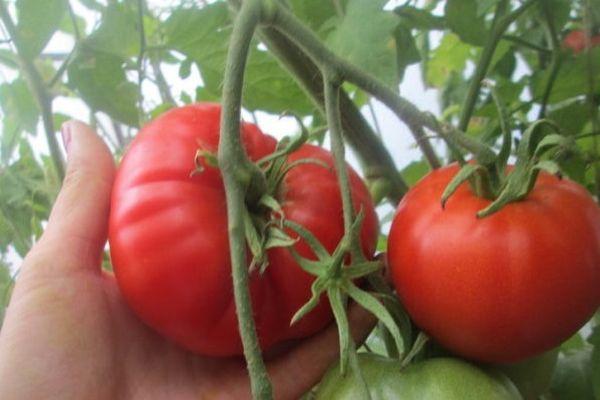
Like most beef varieties, the Altai Masterpiece is a salad vegetable. It's best eaten fresh. The gradual ripening of the berries, harvested at technical ripeness, will provide gardeners with tomatoes until the end of November. This tomato is delicious in salads and can be used to garnish appetizers or sliced dishes. Sliced, it's perfect for sandwiches and hamburgers.
Surplus produce is traditionally processed into juice and sauces. The fleshy pulp produces a thick pulp that requires only a short boil. This juice preserves virtually all the nutrients and vitamins found in fresh tomatoes. The vibrant color adds a beautiful touch to lecho, canned snacks, and preserves like vegetable caviar. Whole tomatoes are not suitable for canning.
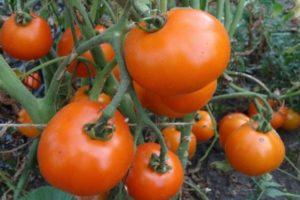
Agricultural technology of the variety
Growing large-fruited tomatoes is no different from caring for other varieties. However, to achieve record-breaking tomatoes, certain specific characteristics must be taken into account: Fertilizers and special techniques are required for growth and fruit development. Without these, the plant will reward the gardener with a bountiful but rather mediocre harvest of tomatoes weighing around 400 g.
When sowing seedlings, aim to obtain 90-day-old seedlings by the time they are planted in the ground. This way, the first ovaries will begin to form within one month of transplanting.
In order for them to grow well, tomatoes are shaped:
- Before the development of 1 flowering brush, remove all lateral shoots;
- 1 stepson is left above it to form the second branch of the bush;
- as the shoots grow, remove all the shoots on both stems;
- One more lateral shoot can be left after the formation of the 2nd flower brush on the main stem.
 After the bush has formed, all other lateral shoots are removed as they appear.
I grow record-breaking tomatoes from basal ovaries. Double flowers sometimes form on one or two flower clusters, which produce particularly large fruits. These are located closer to the plant's trunk. To ensure the largest tomatoes grow well, pinch off the top of the cluster as soon as one or two ovaries appear. These tomatoes will receive all the nutrients, and they will grow larger than average for the variety.
To ensure the remaining fruits on the plant are also large, fertilize it 7-10 days after transplanting (with nitrogen mixtures or organic matter), and then apply two more feedings. The first is applied when the first cluster is forming, and the second is applied two weeks later.
Related posts:
 What is the best way to feed tomato seedlings to make them plump?
 Description of the domestically bred tomato "Shedevr" and recommendations for cultivation
 Description of the Altai Orange tomato, cultivation and growing of the variety
 What fertilizers and when to use for feeding tomatoes in a greenhouse
 Description and characteristics of the best indeterminate tomato varieties for greenhouses
 What is the best way to mulch tomatoes in open ground and greenhouses?
 Description of the Slavic Masterpiece tomato and its technical characteristics
 The main varieties and types of thyme with a description of how to grow thyme and its benefits