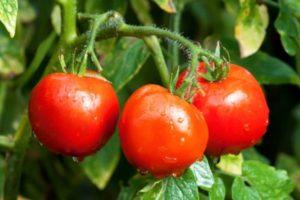
The Shedevr tomato fulfills all farmers' dreams: low maintenance, high yield, and excellent flavor retention after transportation. Suitable for temperate and warm climates, it can be grown in open ground or greenhouses.
Important information about the variety
This plant was developed by Russian breeders specifically for regions subject to sudden temperature fluctuations over short periods. A short-term decrease in humidity does not affect fruiting—this is one of the tomatoes' significant advantages in the short, dry summers of central Russia. According to the description, Shedevr F1 has a number of advantages that have contributed to its culinary and commercial success.
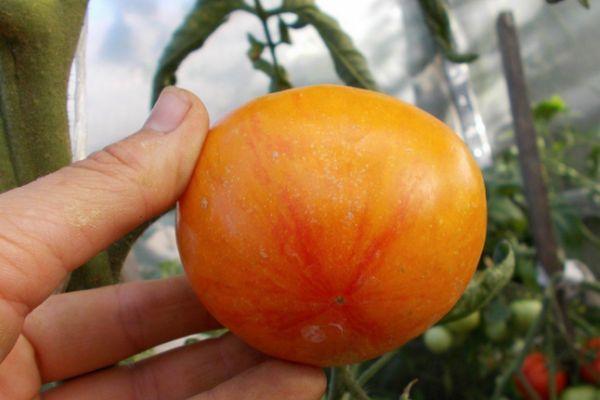
These include:
- berry flavor;
- optimal composition of microelements and vitamins;
- accelerated ripening;
- compactness;
- versatility of application;
- resistance to major diseases;
- long shelf life.
This variety is a determinate, or low-growing, variety. Mature plants reach a maximum height of 0.5 m. Its narrow crown and small leaves allow for space savings in the garden, especially in a greenhouse. The first harvest is ready in just 95 days after germination. This early maturity is typical of determinate varieties grown in greenhouses. Outdoors, ripening is complete within four months. A single tomato weighs up to 100 g.
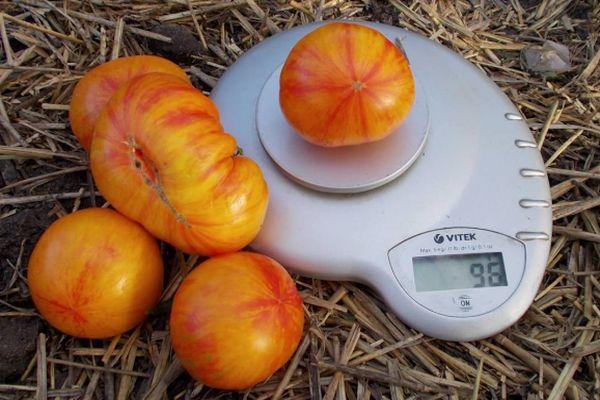
There are several varieties of tomato:
- An early masterpiece.
- Mid-season.
- F1 Masterpiece.
- Sweet.
Each has its own characteristics, advantages, and disadvantages. But all ripen beautifully after picking at normal room temperatures, around 20°C. Tomatoes can be used to make salads, sauces, purees, and pastes. The berries fit perfectly in glass containers for canning.
Growing recommendations
The best way to grow tomatoes is from seedlings. Planting the seeds begins after March 15th, after pre-treatment with growth stimulants. Although the variety doesn't produce large fruits, it is demanding in terms of soil quality, water content, and the presence of nutrients and microelements. The plant responds well to a small amount of superphosphate fertilizer. The main components of the fertilizer should be organic matter: humus and sod soil.
Take a look Also
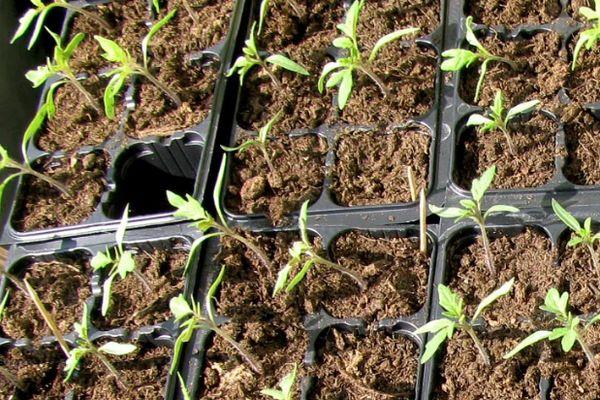
After planting Shedevr tomato seeds in moist soil, maintain the air temperature at least 23°C. Cover the seed trays with plastic film. After germination, it's recommended to illuminate the seedlings with artificial light using fluorescent lamps.
Several lamps will do the job if the seedlings are being grown for a personal plot. Thinning should begin when the seedlings have 1-2 true leaves. After transplanting, feed the plants with liquid nutrient mixtures.
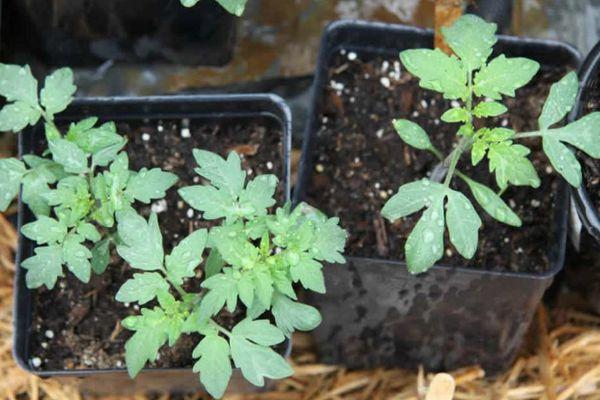
Two weeks before transplanting, young shoots need to be hardened off. To do this, place them outside for 15-20 minutes. After 10 days, the hardening time is extended to several hours. At the end of the third month after sowing, if the weather is good outdoors, the seedlings are transferred to their permanent growing location.
The soil is pre-mulched with humus, and wood ash is added to the holes. The planting pattern requires a distance of up to 50 cm between plants.
Watering should be generous but infrequent. Use warm, settled water. During fruiting, apply up to four root feedings. Foliar fertilizer mixtures can be sprayed on the plant.
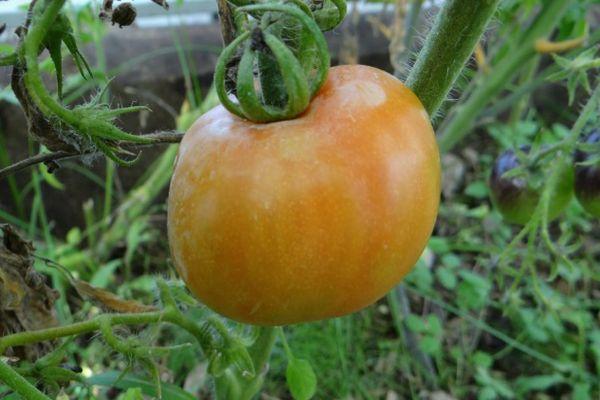
Reviews from gardeners indicate that a significant advantage of the Shedevr tomatoes is their mass ripening before the onset of the late blight epidemic, which eliminates the need for preventative treatments.
To prevent apical or root rot, it is necessary to weed, mulch with rotted straw and loosen the soil. Experts recommend treating the soil with Fitosporin.
Related posts:
 Description of the large-fruited tomato variety Altai Masterpiece and cultivation techniques
 Description of the Slavic Masterpiece tomato and its technical characteristics
 How to propagate and grow peas, cultivation technology, and care in open ground
 Description of the best potato varieties of domestic and foreign selection
 Description of varieties of sowing peas and cultivation, to which family they belong
 How to properly plant peas in a greenhouse and open ground
 The best grape varieties for growing in the Urals, planting and care rules in summer
 Description and characteristics of the 30 best hazelnut varieties, cultivation