
Gardeners are interested in how to grow the Velvet Season tomato. Tomatoes can be planted even in harsh climates. To this end, Siberian breeders have developed tomato varieties that are resistant to harsh conditions. One of these Siberian varieties is called Velvet Season. This tomato not only thrives in cold climates but also produces good fruit. The development of resistant vegetable varieties by breeders has allowed gardeners to grow and reap high yields. Some varieties can be grown in both the north and south of the country.
What is the Velvet Season tomato?
Characteristics and description of the Velvet Season tomato variety:
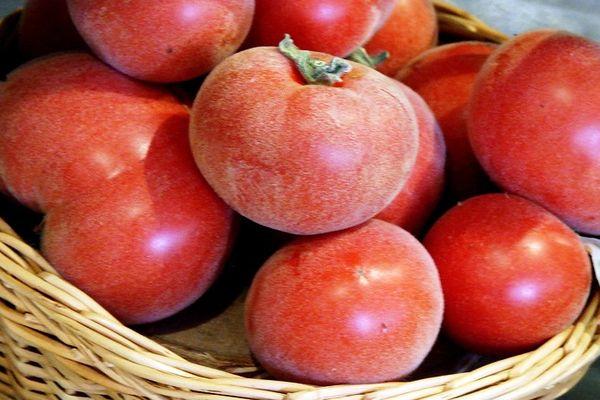
- The Velvet Season variety, named so because of its velvety skin, is a mid-early ripening variety (fruit ripening time is only 110 days).
- It can be grown in open ground and greenhouses.
- This is a low-growing variety, its bushes grow no higher than 1 m.
- Due to their small size, tomatoes can even be grown on a windowsill.
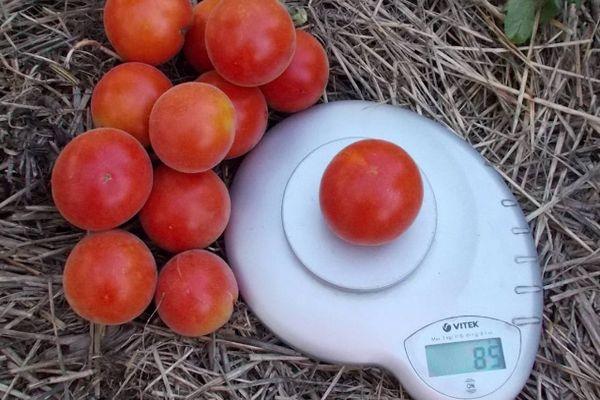
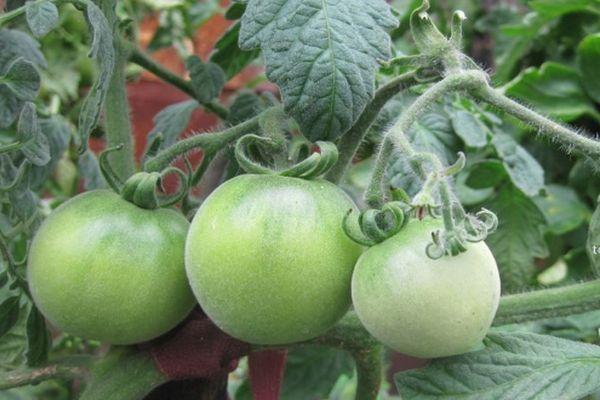
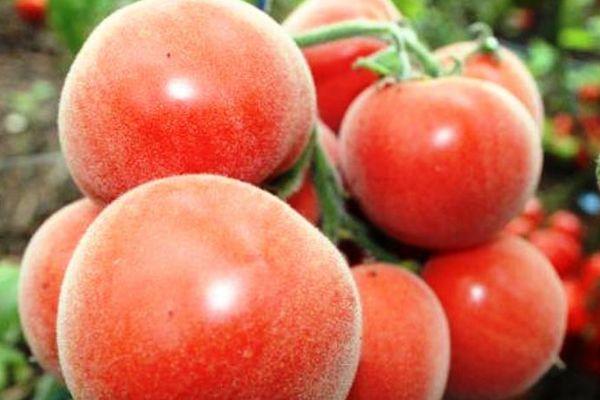
- The plant produces large, velvety fruits, round in shape with an elongated bottom, which can weigh up to 300 g.
- The tomatoes have a rich red color.
- The fruits are fleshy and sour, firm and tender when bitten.
- This variety is distinguished by its high sugar content.
- Thanks to the dense skin and lack of wateriness, the berries can be stored for a long time.
This tomato variety is best suited for:
- for fresh use (salads, appetizers);
- for pickling;
- for canning.
The dense skin of this tomato doesn't crack when preserved whole. This variety can be used to make tomato paste and puree.
How are tomatoes grown?
Let's look at how to sow and plant tomatoes in the ground. Growing tomatoes in cold climates requires soil preparation in the beds and pre-treatment of the seeds. Greenhouse beds are disinfected, loosened, and fertilized. Seed treatment for this variety begins 60 days before planting.
Seed processing consists of the following stages:
- Soak in warm water for 12 to 24 hours.
- Disinfection in a weak solution of potassium permanganate - up to 2 hours.
- Top dressing: soak the seeds in an ash solution (1 tablespoon per 1 liter of water) for up to 12 hours.
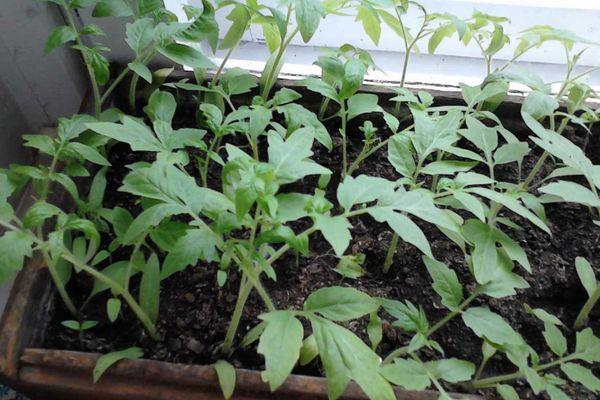
This is done to ensure 100% seed germination. Seedlings are grown at a temperature of 23 to 25ºC in shallow containers. The soil layer should be 2-3 cm thick. The first shoots will appear in 3-7 days. Young shoots require light, so the containers are placed on a windowsill.
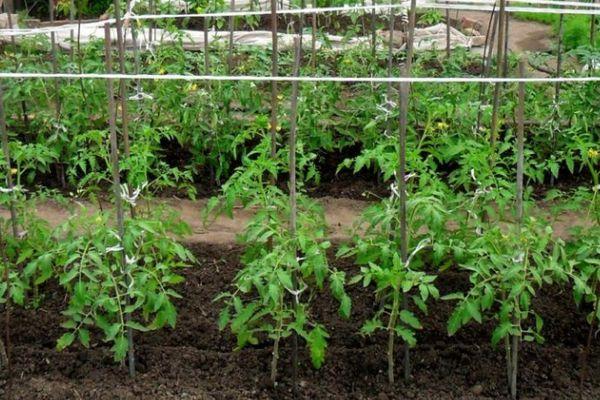
But be sure to avoid drafts. On the 10th day, when the seedlings have 2-3 leaves, they need to be pricked out—pinching the main root to encourage lateral growth. After this, the seedlings are returned to their boxes or planted in individual pots. Place them in a warm, sunny spot.
Since morning frosts are common in Siberia, seedlings need to be prepared before planting. A week before planting, the seedlings are taken outdoors for an hour. This hardens them off. Once the soil warms to a suitable temperature of at least 19ºC, the seedlings are planted in the beds. The seedlings are removed from the boxes or pots, placed in the holes, and covered with soil.
 The first watering is possible only after 3 days to avoid infection with bacterial rot. After 10 days, you can install supports for the bushes and tie them with strips of cotton fabric. After the first buds appear, form the shoots.
To achieve maximum yield, it's necessary to feed the plants with nutrients. The first feeding is done 7-10 days after transplanting the seedlings into the soil. A cow manure solution is used for this.
The second feeding is done a week after the first, using a solution of chicken manure (1 tablespoon per 10 liters of water). It's best to alternate feedings every 7-10 days. Despite the cold climate, once you master all the growing nuances, you can get good harvests.
Siberian tomato varieties are very popular, with the Velvet Season variety becoming the most popular for growing in regions with cold climates.
Gardeners' reviews indicate that this variety is easy to grow and produces uniform, strong seedlings. When transplanted into the ground, there are no problems with survival. It produces a good yield and large fruits. Gardeners also appreciate this variety's disease resistance.
Related posts:
 The best grape varieties for growing in the Urals, planting and care rules in summer
 80 Best Eggplant Varieties for Different Regions with Descriptions and Characteristics
 A description of the best eggplant varieties for growing in greenhouses and open ground in the Moscow region.
 Descriptions of the 20 best cherry varieties for the Moscow region, their planting and care
 How to grow grapes in the Moscow region in open ground without a greenhouse
 Beginner's Guide to Growing Grapes in Open Ground in Central Russia
 Description of the best tomato varieties for Transbaikalia, their planting times and care
 Description of 30 varieties and types of Muscat grapes, planting, cultivation and care