Gardeners ask how to grow the Burkovsky Early tomato. Fresh tomatoes are a delight to any table in summer and early fall. However, it's not always possible to get an excellent tomato harvest if the summer is cool and the weather is constantly changeable, windy, and rainy. These factors should always be taken into account when planting Burkovsky Early tomatoes in your garden or backyard.
What is the Burkovsky Early tomato?
This tomato variety was developed by Russian breeders at the Siberian Garden company. This hybrid variety thrives in various regions of the country, especially in cold climates and cool summers. Therefore, by planting a few Burkovsky Early tomato plants in your garden, you can ensure you have fresh salads throughout the gardening season. This variety produces high yields both in greenhouses and in the open ground.
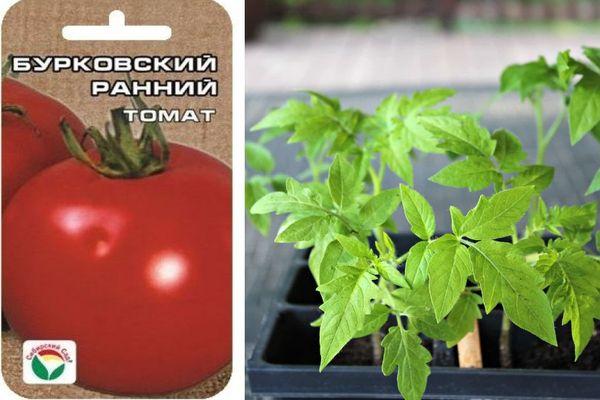
The characteristics and description of the variety are as follows:
- Early ripening fruits, which can be obtained within 3 months after sowing seeds in pots for seedlings.
- Determinative character of plants.
- The height of the bushes does not exceed 60 cm, which allows you to plant 5-6 bushes on a plot of 1 m².
- High yield. One bush can yield up to 3 kg of fruit.
- The plant blooms with simple inflorescences.
- The variety is resistant to changes in weather and climate conditions, temperature fluctuations.
- Breeders have endowed the hybrid with an excellent immune system, which allows it to withstand attacks from many microbes and pests that live on nightshade crops.
- Tomatoes have good shelf life, can be transported over long distances, and their marketable appearance is not lost during transportation.
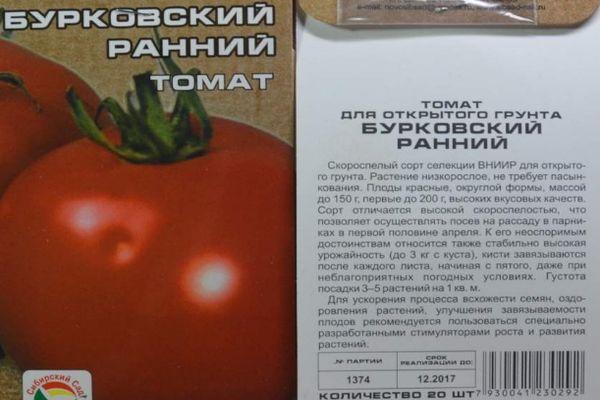
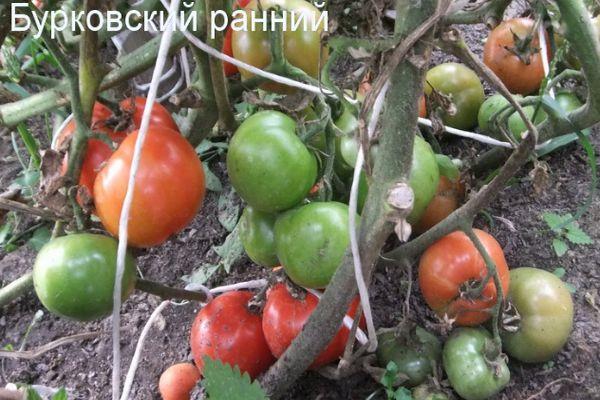
Tomatoes of this variety can be identified by their characteristics and attractive appearance. The tomatoes are round and weigh no more than 150 g. When ripe, the fruits turn red, acquire a sweet, sugary flavor, and a characteristic tomato aroma. The skin is firm, glossy, smooth, and ribbed. The tomato core is juicy and sweet, with several chambers containing a few seeds.
Reviews from gardeners indicate that ripe tomatoes can be used for more than just vegetable salads. They are also suitable for garnishing canapés and adding to stews. Purées, ketchups, pastes, tomato juice, and soups can be made from this variety's fruits. It is recommended to can, dry, and pickle the tomatoes in barrels.
How to grow tomatoes?
Breeders say this variety can be grown by sowing seeds in beds in greenhouses and vegetable gardens, or by using seedlings. The latter method yields a better harvest, excellent quality fruit, and long-lasting fruiting. Therefore, seeds should be sown not in open ground, but in containers with peat, fertilized before sowing.
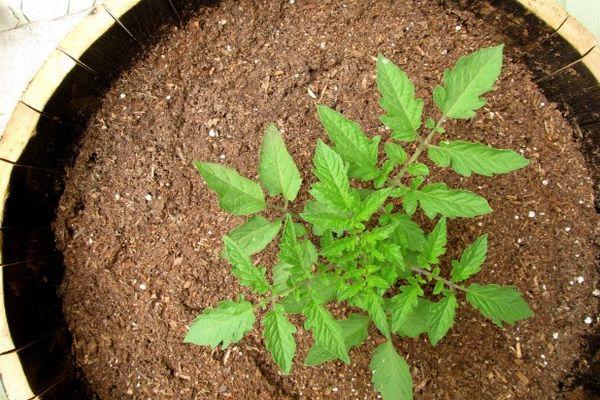
The seeds are placed in the soil two months before transplanting the seedlings to their permanent location. The seeds are placed at a depth of 1-2 cm, then the pots are covered with plastic film to create a greenhouse effect. The pots should be placed in a room with a constant temperature of at least 22ºC.
As soon as the first sprouts appear, the boxes are moved to a balcony, a room with fluorescent lights, or a windowsill. The plastic film should be removed, and the seedlings should be watered regularly.
Harden off the seedlings 7-10 days before transplanting them into the soil. To do this, briefly take the pots out onto the balcony and then bring them back in. This will make the plants stronger and more resilient to cold and temperature fluctuations.
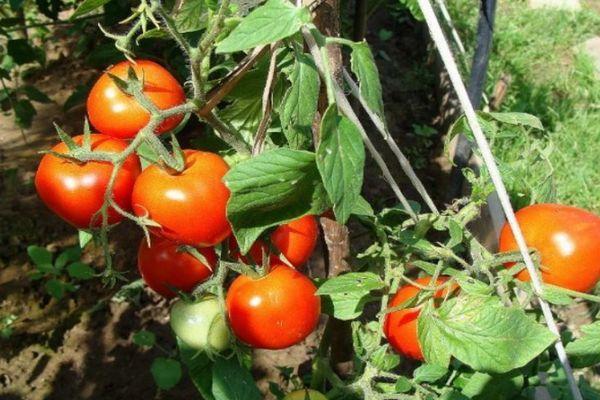
The soil in a greenhouse or vegetable garden must be treated with complex mineral fertilizers. There should be no more than 5 plants per 1 m² area. Planted bushes should be watered regularly, but only with warm water, and fertilized (5-7 times per season). The soil in the area and around the bushes should be weeded and loosened. Despite the plants' short stature, it is recommended to tie them to stakes or trellises.
Related posts:
 80 Best Eggplant Varieties for Different Regions with Descriptions and Characteristics
 Description and characteristics of the best seeds of pea varieties and types
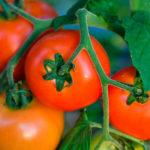 Rules for growing tomatoes in open ground, choosing a variety, planting and care
 Why potatoes aren't growing well in the garden, and what to do to ensure a bountiful harvest
 Description of blight-resistant tomato varieties for open ground and greenhouses
 Description and characteristics of the Orlovim apple variety, cultivation nuances
 Description of the Velika grape variety, cultivation and care tips
 Description and characteristics of the Stuttgarter Riesen onion variety, planting and care