
- General characteristics
- Description
- Ripening period
- Productivity
- Culinary uses
- History of selection
- Resistance to diseases and pests
- Advantages and disadvantages
- Growing correctly from seeds
- Preparing the garden bed
- Choosing a location
- Soil acidity
- Fertilizer
- Predecessors
- Seed preparation
- Soak
- Drying
- We sow nigella
- Mulching
- Thinning
- Top dressing
- Growing from sets
- Selection of seed material
- Overkill
- Calibration
- Disinfection
- Warming up
- Planting dates
- Soil requirements
- On the pen
- Care
- Watering
- Top dressing
- First
- Second
- Third
- Weeding and loosening
- Neighbours
- Carrot
- Dill
- Protection from diseases and pests
- Planting before winter
- Seedlings in containers
- Methods of reproduction
- Harvesting and storage
- Reviews
- Conclusion
Many gardeners plant onions in their plots to harvest fresh onions in the summer. The Stuttgarter Riesen onion variety is particularly popular among vegetable growers, known for its high yield and ease of cultivation.
General characteristics
Before planting such onions, you need to familiarize yourself with their general characteristics.
Description
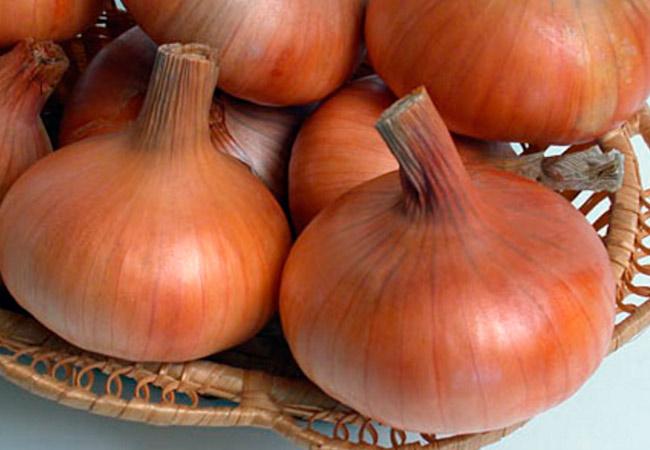
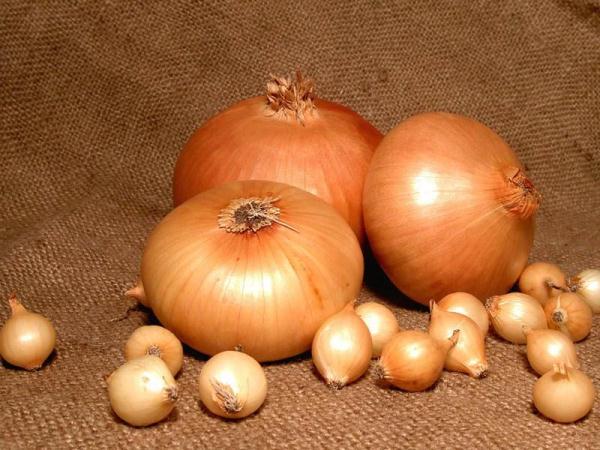
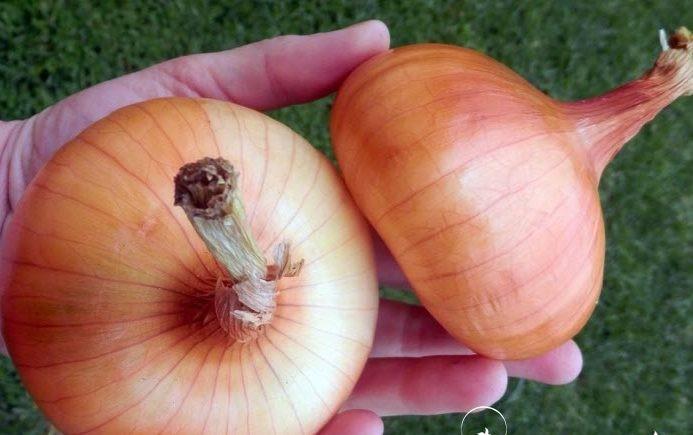
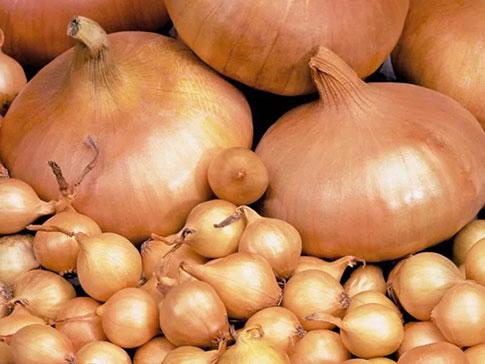
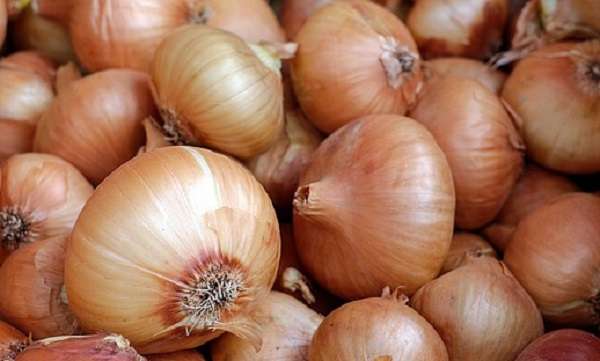
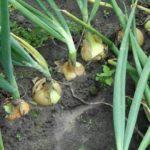
This onion is suitable for growing outdoors and in greenhouses. The variety's main characteristic is its large bulbs, which can weigh up to 300 grams. The fruits are orange with a slight reddish tint.
Ripening period
Stuttgarter Riesen is a mid-season vegetable whose fruits ripen within 40-45 days. If you plant onions in a greenhouse and care for them properly, the harvest will ripen 5-10 days earlier.
Productivity
This is a high-yielding variety that produces fruit well in any climate. With proper care, the seedlings can yield approximately 10-12 kilograms of fruit per square meter.
Culinary uses
Most often, harvested onions are used in cooking. Ripe bulbs are suitable for making preserves and entrees.
History of selection
The Stuttgarter Riesen was developed by German breeders. Frost-resistant and high-yielding varieties were used in the development of this onion.
The work of breeders began in the first half of the 1990s and ended in 1995.
Resistance to diseases and pests
The variety is resistant to the following pests and diseases:
- powdery mildew;
- fusarium;
- Alternaria;
- onion fly;
- root mite.
Advantages and disadvantages
Among the advantages of Stuttgarter Riesen are:
- ease of care;
- versatility;
- resistance to most diseases;
- crop yield.
The disadvantages of the variety include the fact that the harvested crop does not tolerate moisture well.
Growing correctly from seeds
Before planting onions, you need to familiarize yourself with the main features of their planting.
Preparing the garden bed
First, you need to prepare the bed in which the vegetable will be grown.
Choosing a location
When choosing a location for onions, pay attention to the light. The area should be well-lit, as onion plants do not grow well in the shade.
Soil acidity
Soils with high acidity are not suitable for growing Stuttgarter Riesen. Experienced gardeners recommend planting the bulbs in loamy soil or black soil.
Fertilizer
To increase soil fertility, you'll need to fertilize it beforehand. To do this, add wood ash, humus, superphosphate, and compost to the soil.
Predecessors
When choosing a site for planting onions, you need to consider what plants were grown there previously.
Potato
It is not recommended to plant Stuttgarter Riesen after potatoes, as the bushes will grow weak and will often get sick.

Tomatoes
Tomatoes are considered the best predecessors for onions.
Cabbage
It is possible to plant onions after cabbage, but the yield of the grown onion seedlings may decrease.
Cucumbers
Cucumbers do not deplete the soil, so after them you can plant not only onions, but also other vegetable crops.
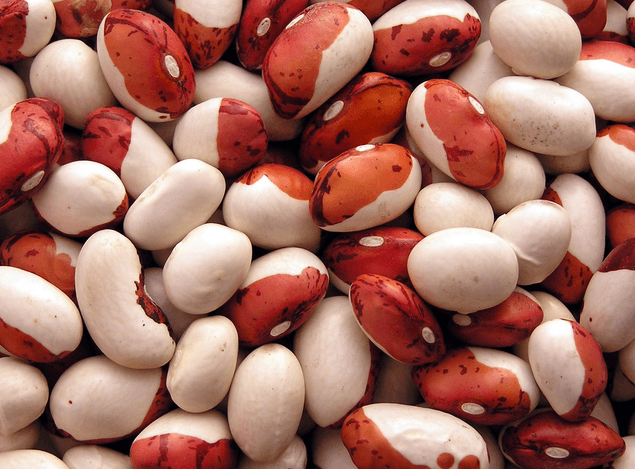
Beans
Many gardeners consider legume varieties, just like tomatoes, to be the best predecessors for onions.
Seed preparation
Planting material must be prepared in advance for further planting.
Soak
To prevent future diseases, soak onions in a potassium permanganate solution. Add 45 grams of the solution to a bowl, then add a liter of warm water. Then place the onions in the container and soak for 1-3 hours.
Drying
The soaked seeds must be thoroughly dried. To do this, place them on a towel and move them to a sunny windowsill.
We sow nigella
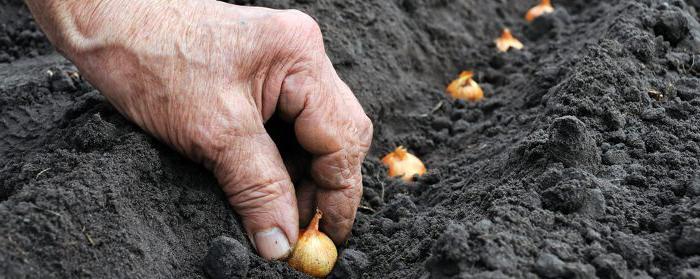
Before planting the bulbs, make holes 3-4 centimeters deep in the garden bed. The distance between holes should be at least 15 centimeters. Cover the planted bulbs with soil and water.
Mulching
The holes filled with soil must be mulched. For this purpose, you can use peat or humus, which you can sprinkle over the beds where the onions are planted.
Thinning
The first thinning is done when the onion plants reach seven centimeters. At this point, the weakest and shortest seedlings are removed from the bed.
Top dressing
Two to three weeks after planting, the onions need to be fertilized. For this, use a fertilizer mixture made from bird droppings, urea, superphosphate, and potassium salt. Fertilize the vegetable three to four times per season.
Growing from sets
Some gardeners grow onions using sets.
Selection of seed material
First, you need to start selecting seed material.
Overkill
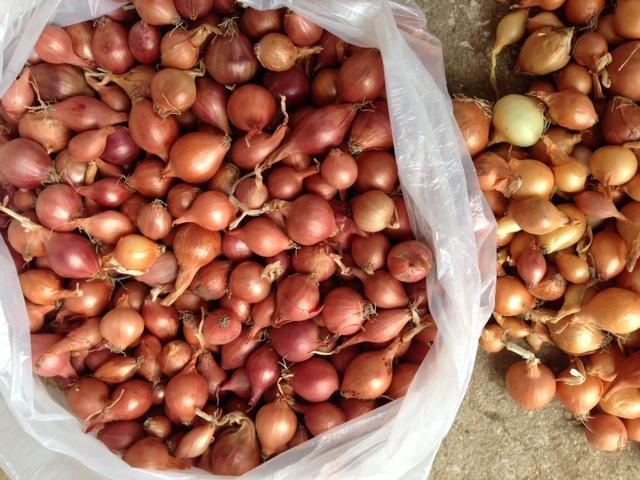
It's necessary to sort through all the bulbs to select the best quality ones. This preliminary sorting process selects healthy bulbs that show no signs of rot or damage.
Calibration
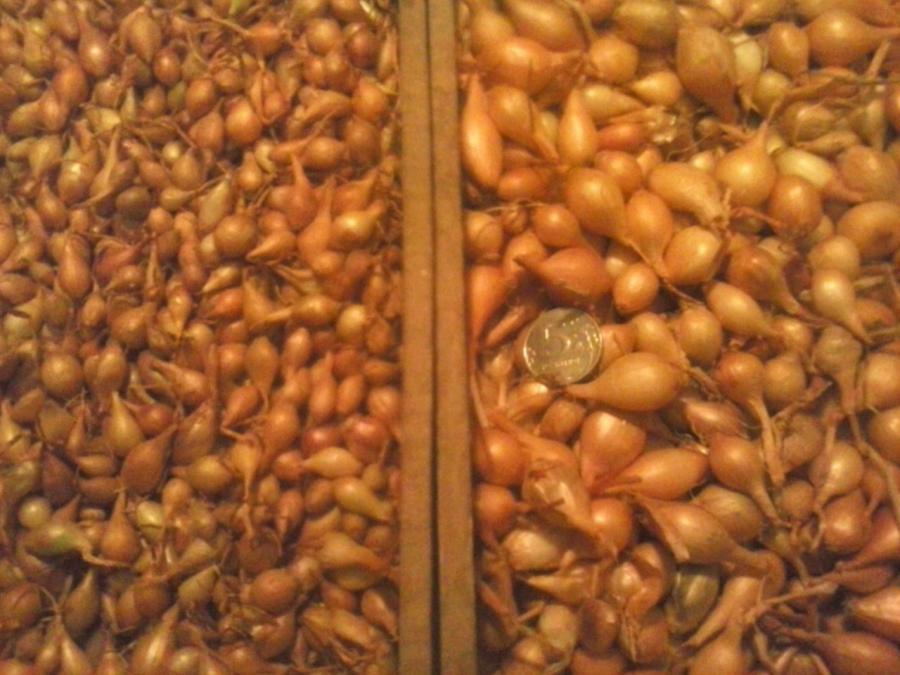
During the calibration process, the onion sets are sorted by size. The first group includes bulbs up to a centimeter in diameter, the second group includes those between 1 and 3 centimeters in diameter, and the third group includes those over 3 centimeters in diameter.
Disinfection
To disinfect onion sets, use a saline solution. Add 50-60 grams of salt to a liter of water, then add the onion sets. Soak for an hour and a half.
Warming up
To warm the bulbs, you can use warm water (40-55 degrees Celsius). Soak the bulbs in the liquid for 15 minutes.
Planting dates
Onion sets are planted in late spring, when temperatures rise above 15 degrees Celsius. If the vegetable is to be grown in a greenhouse, it can be planted in early spring, in early March.
Soil requirements
Onion yields directly depend on the soil they're planted in. They should be grown in soils rich in nutrients.
On the pen
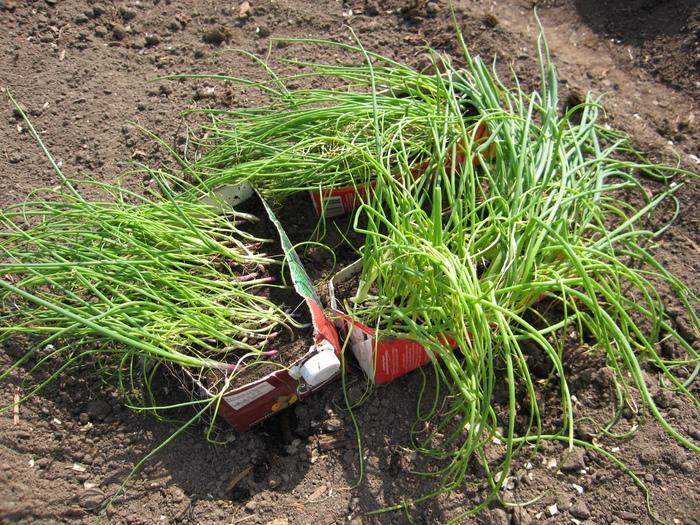
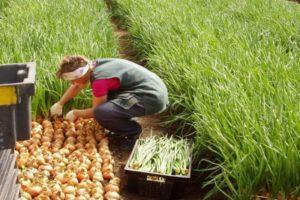
Some gardeners are engaged in forcing onions into feathersFor this purpose, it's recommended to use multi-germ varieties that produce about 5-6 new leaves. Experienced gardeners recommend planting leeks, shallots, or Welsh onions for their green shoots.
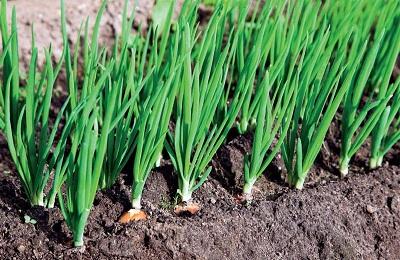
Onions can be planted for green onions not only in spring but also in autumn. The key is to complete planting before the first frost. Before planting, soak all bulbs in heated water for 20-30 hours.
Care
Onions, like other vegetable crops, need to be properly cared for.
Watering
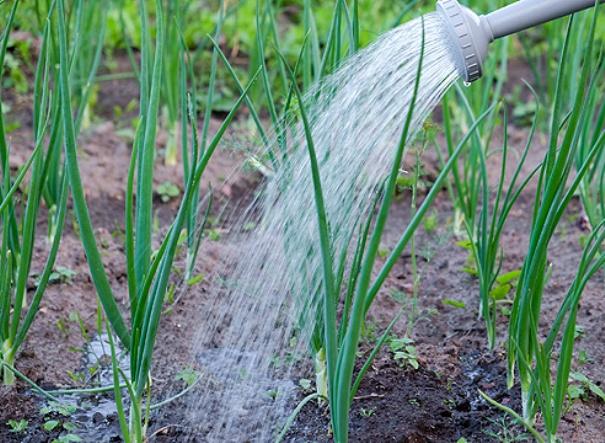
Throughout the growing season, planted onions need to be watered. In late spring and early summer, the soil is moistened 2-3 times a week. When the air temperature rises above 25 degrees Celsius, water every other day. Each seedling requires about one and a half liters of water.
Top dressing
Onions need to be fed three times.
First
Fertilizer is added for the first time three and a half weeks after planting the bulbs. During the initial growth stage, organic matter such as bird droppings or slurry should be added to the soil. Apply 8-10 liters of fertilizer per square meter.
Second
The next fertilization is carried out 15-20 days after the previous one. In this case, as before, the plants are fed with organic fertilizers. You can also add a small amount of mineral fertilizer containing phosphorus.
Third
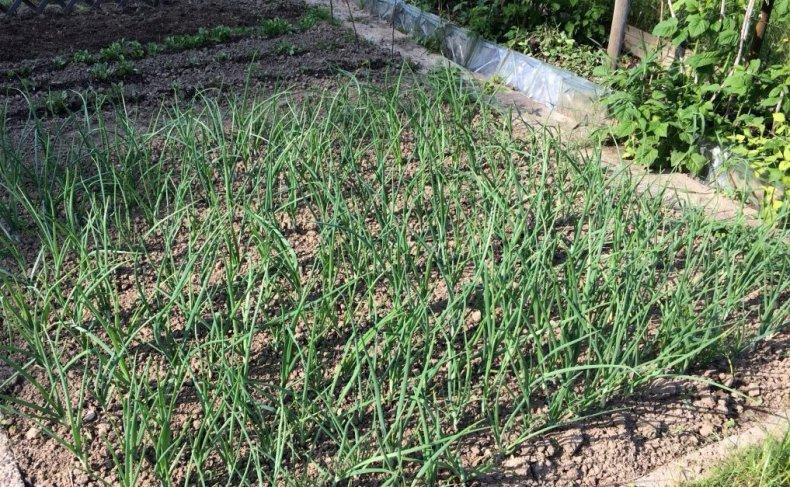
Fertilizers are added for the last time at the end of June. Experts recommend adding nitrogen-containing fertilizers to the soil. Ammonium nitrate is most often used for this purpose.
Weeding and loosening
Onions need to be weeded regularly to prevent them from becoming overgrown with weeds. If left untreated, the growing grass will deplete the soil, leading to a reduced yield. Loosen the soil twice a week.
Neighbours
The yield of planted onions depends largely on what plants are grown next to it.
Carrot
Carrots and onions are a classic vegetable pairing because they protect each other from dangerous insects. Onions repel flies and mites from carrot seedlings, while carrots protect onions from borers and onion flies.

Dill
Sometimes people properly care for their onion plants, yet still see low yields. This happens when the vegetable is planted near dill.
These plants are incompatible with each other and should not be grown next to each other.
Protection from diseases and pests
To protect the plant from insects and diseases, it is necessary:
- Before planting, carry out heat treatment of the seed material;
- water and feed the seedlings regularly;
- spray seedlings with insecticides;
- get rid of weeds in a timely manner.
Planting before winter
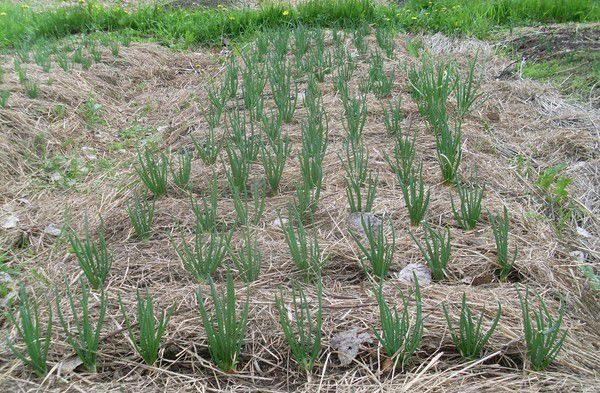
Planting before winter is no different from regular vegetable planting. The only difference is that planting will have to be done in the fall. All beds containing the bulbs are insulated with sawdust or straw.
Seedlings in containers
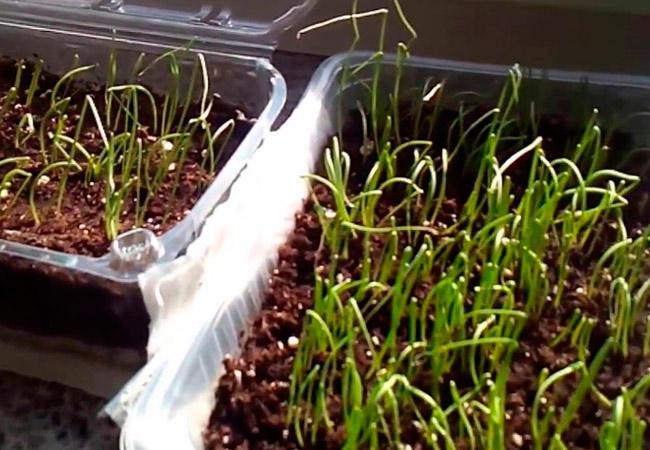
If the vegetable is grown from seedlings, the seedlings should be started in special transparent containers. These are pre-filled with a soil mixture containing sufficient nutrients. The bulbs are then planted in the soil at a depth of 1.5 centimeters. Germination in containers lasts 20-30 days, after which the seedlings are transplanted.
Methods of reproduction
There are several methods of propagating onions:
- Sevkom. This seed material can be grown at home or purchased at a store.
- Vegetative propagation. In this case, the cloves that form on mature root vegetables are used. They are carefully cut, sprouted, and planted in the ground.
Harvesting and storage
The harvest should be done in the second half of summer, when the above-ground portion of the bush is completely dry. The dug-up bulbs are cleaned of soil, dried, and transferred to the cellar for further storage.
Reviews
Irina, 50: "Last year, I decided to plant onions at my dacha. I spent a long time choosing a variety and settled on Stuttgarter Riesen. It's probably the most delicious onion I've ever tasted."
Stanislav, 44: "I've been growing Stuttgarter Riesen onions for many years. I've never been disappointed with this variety, as it produces excellent fruit every year."
Conclusion
Many people planning to plant onions choose Stuttgarter Riesen for further cultivation. Before planting this variety, it's important to familiarize yourself with the plant's description and care instructions for the seedlings.
Related posts:
 Description of the best varieties of onions, planting and care in open ground
 Types of onion varieties with names and descriptions, their differences and cultivation
 50 types and varieties of perennial onions with descriptions, cultivation, and care
 Description of varieties and cultivars of wild onions, the subtleties of cultivation
 Description of Welsh onion varieties, planting, growing, and care in open ground
 Description of heirloom onion varieties, planting and care in open ground, and when to harvest
 The beneficial properties of white onions, description of varieties, cultivation and care
 Control of onion pests using chemical and folk remedies