Last season, the unusual Blueberry-Creamy F1 tomato caught the attention of gardeners. Reviews from gardeners and consumers who have already tried this variety note its high yield, excellent taste, and hardiness.
Breeders have created this variety to grace both the dinner table and the garden. The Blueberry-Creamy F1 tomato will produce a high yield, but only with proper care and the right growing conditions.
What is a Blueberry Cream tomato?
Description and characteristics of the variety:
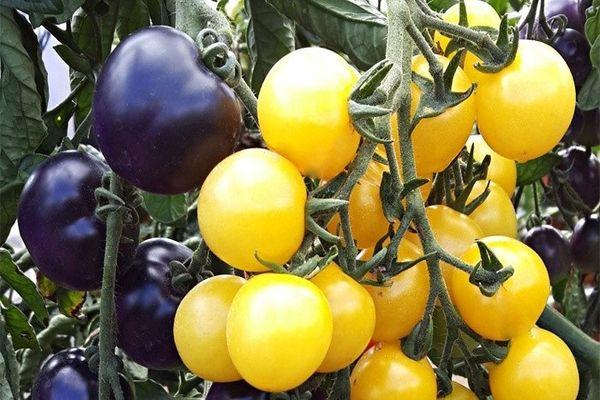
- Bicolor tomatoes are a mixture of two varieties with different colors—yellow and plum. The tomato buds, which will later turn yellow and purple, form simultaneously on the bushes.
- The fruits reach a weight of 20 g or more.
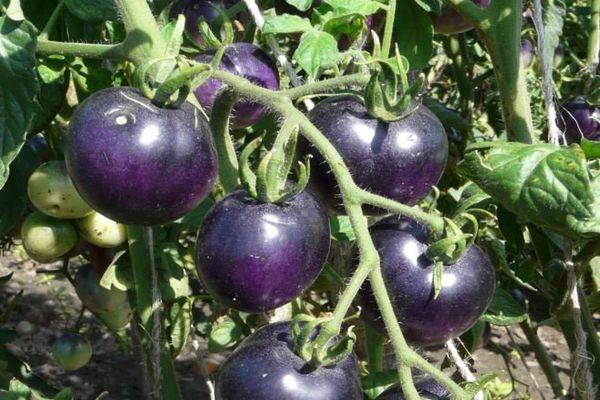
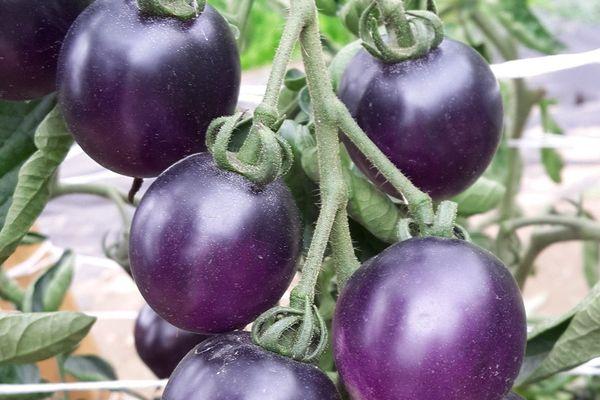
- Dark tomatoes contain anthocyanins, which is why they taste like blueberries.
- Light-colored tomatoes contain a lot of acids, useful microelements and vitamins, which give tomatoes a delicious sweet-sugary taste.
- The skin is elastic, glossy, and does not crack.
- The core of the tomatoes is juicy, sugary, and contains few seeds.
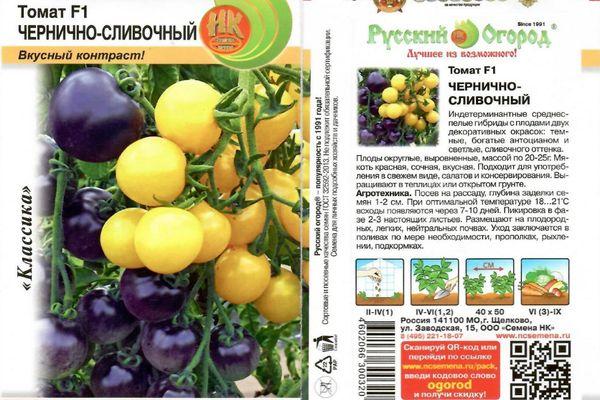
Blueberry-Creamy tomatoes are always uniformly round in shape, making them ideal not only for fresh salads but also for canning and pickling. Blueberry and yellow tomatoes can be used to make delicious purees and sauces, pastas, and soups.
Gardeners' reviews of the tomatoes are positive. The fruit densely clusters on the bushes, allowing for a large harvest from a single plant and a plot of 1 m². The tomatoes are characterized by excellent shelf life and transportability, making them suitable for long-distance shipping.
This variety is grown not only in home gardens but also in large industrial production facilities. Blueberry-Creamy F1 tomatoes sell well in stores and markets, as they are in high demand.
How to grow tomatoes?
Seeds of this variety are purchased in specialized stores; only there can you find the original product. The yield and ripening of the fruit depend on this.
The seeds must be disinfected in a weak solution of potassium permanganate and then sown in pots or boxes. For planting, light, fertile soil should be well-fertilized with organic and chemical substances. Dig 1-2 cm deep holes in the soil, then place the seeds into the holes.
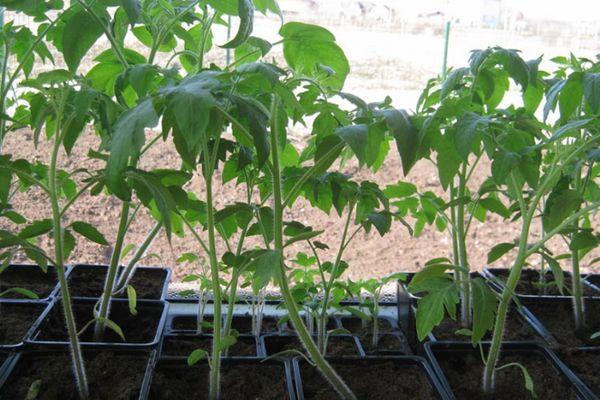
The pots should be placed in a dark place with a stable temperature of 18 to 21°C. If these conditions are met, the seedlings will emerge within 1 to 2 weeks. After this, carefully observe the leaflets for development. When two true leaves appear, transplant the plants.
Sowing should be done in March or April, so that the seedlings can then be transplanted into a greenhouse or open ground. However, this should only be done after the soil has been frost-free at night and daytime temperatures have risen to 18°C.
The seedlings are planted so that there is a distance of 40-50 cm between the bushes. Before planting, the soil should be thoroughly fertilized, loosened, weeded, and fluffed so that the soil becomes light and fertile.
The first fruits of the blueberry-plum variety can be harvested as early as July or early August. Several factors influence the ripening period:
- weather;
- temperature conditions of the region;
- climatic features of the area;
- the ability of seedlings to withstand frost, wind, infections and diseases that affect fruit bushes.
As the plants grow, they need to be staked, as they reach a height of 1.5 m. Trellis or stakes are used for support, which will prevent stem breakage. Side shoots are also removed, shaping the bush into a single stem.
Plants need to be watered, weeded, loosened, fertilized, and treated for preventative purposes to protect against diseases and microbes. As a result, it will be possible to harvest up to 25 kg of tomatoes from one plot.
Related posts:
 Description and characteristics of the best seeds of pea varieties and types
 The ripening time of grape vines by variety, how to speed up the process, and what to treat the plant with
 Description of 30 varieties and types of Muscat grapes, planting, cultivation and care
 Description of the best potato varieties of domestic and foreign selection
 The best grape varieties for growing in the Urals, planting and care rules in summer
 Description of the Bryanochka cherry variety, planting and care instructions
 Description and cultivation of the 15 best cherry plum varieties for the Moscow region, planting and care rules
 The best methods for growing grapes from seeds at home