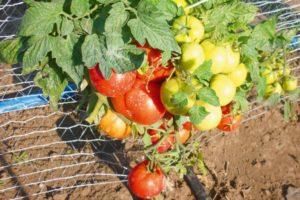
The Sugar-Coated Cranberry tomato is suitable for growing in a variety of conditions. This variety boasts disease resistance, delicious fruit, and a bountiful harvest.
Characteristics of tomato
The Sugar-Flavored Cranberry tomato variety was bred by Russian agrobiologists. There are no restrictions on cultivation methods or regions. These tomatoes can be grown in open ground, greenhouses, and in containers and pots outdoors.
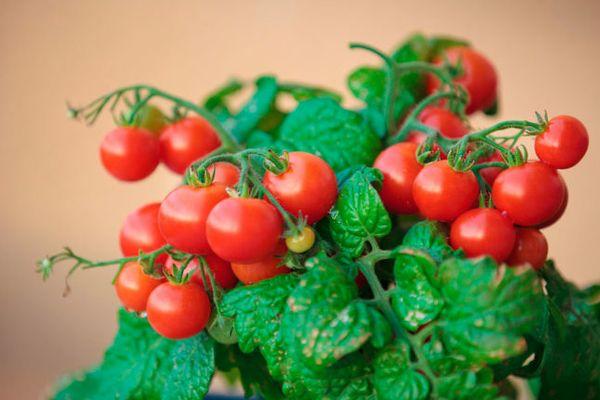
This variety can also be grown indoors, where it produces excellent yields when grown on a windowsill. It is characterized by its high flexibility, allowing the plant to adapt to virtually any environment.
This exotic-looking ornamental tomato begins bearing fruit 70-75 days after planting. During the growing season, this sugar-coated cranberry forms a neat bush reaching 60 cm in height.
The low plant is completely covered with tomatoes during the fruiting season. The variety's description is based on the characteristics of the tomatoes. The round, classic red fruits have a smooth surface; there is no ribbing near the stem.

Tomatoes have a thick, glossy skin that prevents cracking during ripening; the flesh is firm and juicy. When cut horizontally, small seed chambers are visible.
Advantages of the variety
The maximum weight of 1 tomato is 12-15 g. The crop is characterized by high yield, reaching 3 kg per 1 m².
Compact plants can be planted in open spaces between taller bushes. This makes cultivation convenient and practical, saving valuable space.
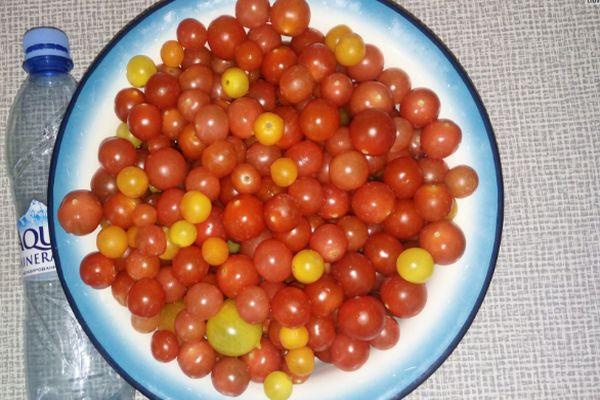
Vegetable growers' reviews confirm the excellent taste of these sweet and sour fruits. Juicy tomatoes contain high glucose concentrations. Sugar-coated cranberry tomatoes are recommended for those on dietary restrictions. These low-calorie fruits are an excellent dietary product.
Thanks to the presence of organic acids and microelements, tomatoes possess not only remarkable taste but also medicinal properties. Tomatoes contribute to:
- lowering cholesterol;
- stimulation of blood circulation;
- normal functioning of the gastrointestinal tract.
In cooking, tomatoes are used for fresh consumption, pickling, and as ingredients in various dishes. Small red tomatoes are used for decoration and in vegetable platters. They retain their shape during canning.
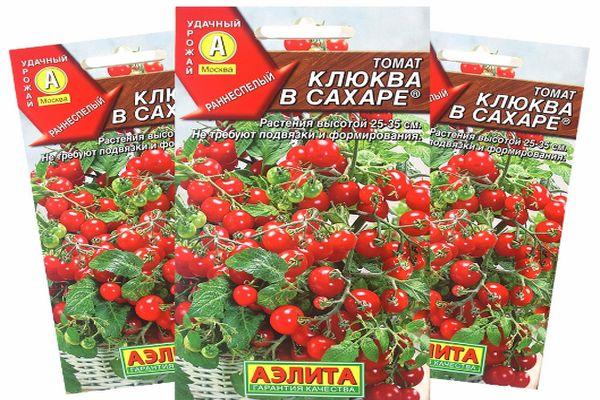
Sugar-coated cranberries are popular among gardeners due to their low maintenance—it's an easy-to-grow variety—and the tomato is also resistant to pests. The plant is characterized by high immunity to nightshade diseases.
A determinate standard bush requires no shaping. At a genetically determined height, growth stops, ending with the formation of a fruit cluster. Subsequently, the bush continues to grow in width.
The undoubted advantage of this variety is the decorative appearance of the bush during the ripening period of the fruits.
Agricultural technology for cultivating tomatoes
You can grow a healthy harvest and get the maximum yield from each plant by using high-quality seedlings. To ensure uniform germination, it is recommended to treat the seeds with a solution of potassium permanganate and water or aloe vera juice before planting.
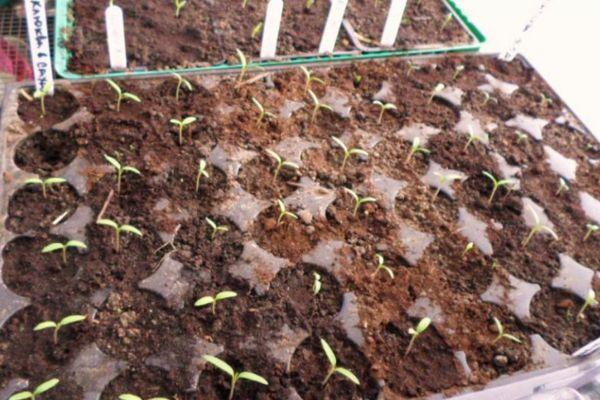
To maximize yield per plant during cultivation, the seeds are treated with a growth stimulant. The seeds are placed in containers with prepared soil at a depth of 1 cm, watered with warm water, and covered with plastic wrap until sprouts emerge.
At optimal temperatures of 22°C to 25°C, uniform germination occurs within 4-6 days. Pruning occurs when two true leaves have formed.
Sugar-coated Cranberry tomatoes, grown with careful cultivation practices, require supplemental feeding with complex fertilizers. They can be planted in their permanent location after the spring frosts have passed.
Before planting, prepare the soil; treat the seedlings with an aqueous solution of boric acid (1 g per 1 liter of water). This procedure simplifies the growing process, reduces stress on the plant, and preserves the first flower cluster.

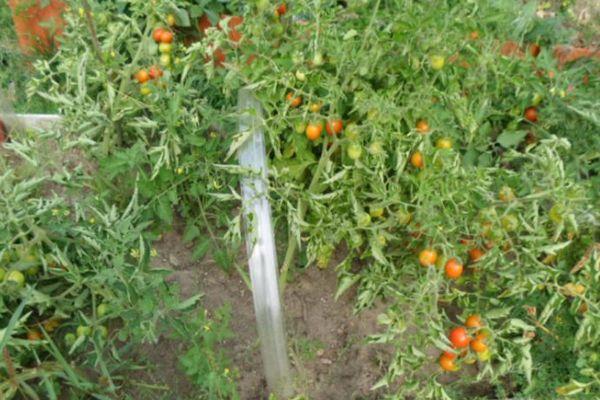
Fertile loamy soil is suitable for planting the Sugar-Flavored Cranberry variety. Protect the soil from pests, fungal infections, and viruses with peat and humic fertilizers.
Tomatoes are planted in prepared holes, maintaining a distance of 40-45 cm between each planting. A distance of 60 cm is left between rows.
High-quality seedlings are resistant to deformation during cultivation. During the fruiting period, the strong bush does not require additional support.
Caring for the crop
Tomatoes of this variety prefer moderate watering with warm water at the roots in the morning. Until flower stalks form, the soil should be moistened weekly, but more generous watering is required during flowering.
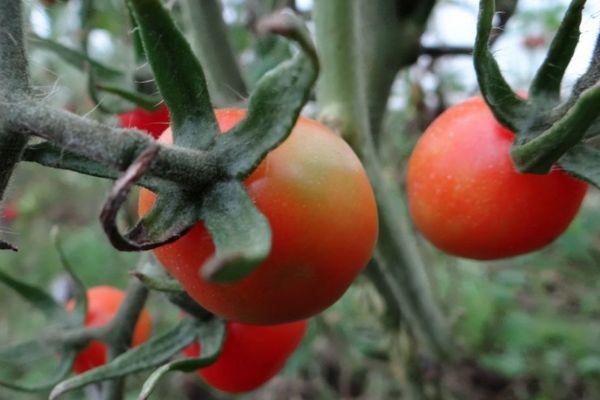
The bushes are fertilized every two weeks. During the growth period, the plant requires nitrogen components in the fertilizer, and during fruit formation, potassium and phosphorus.
The crop is highly resistant to dangerous diseases, except for tobacco mosaic virus. If signs of disease are detected, the plant is removed from the garden bed and the soil is disinfected.
To prevent fungal growth, preventative measures are recommended. For this purpose, the bushes are sprayed with a weak fungicide solution or Bordeaux mixture, which contains lime and copper sulfate.
Normal plant development requires periodic hilling to stimulate root development. A balance of moisture and air in the soil is achieved through loosening.
Related posts:
 Simple recipes for making cranberry jam for the winter
 The best eggplant varieties for growing in a polycarbonate greenhouse: planting and care
 The best grape varieties for growing in the Urals, planting and care rules in summer
 Description and characteristics of the best seeds of pea varieties and types
 How to propagate and grow peas, cultivation technology, and care in open ground
 Descriptions of the 20 best cherry varieties for the Moscow region, their planting and care
 Description of the best potato varieties of domestic and foreign selection
 80 Best Eggplant Varieties for Different Regions with Descriptions and Characteristics